
Monday, March 22, 2026
Global Energy Shock Rattles Markets
🚨 Absolute panic grips the markets as Middle East conflicts trigger a historic oil shock! 🛢️ Watch upcoming United States inflation data closely; sticky prices could cement USD dominance! 💵📉
The global financial landscape is currently paralyzed by an unprecedented energy supply shock stemming from closures in the Middle East. Surging Brent crude oil prices have ignited fierce stagflationary fears, forcing major central banks like the Federal Reserve into abrupt hawkish pauses. Concurrently, the USD and AUD exhibit massive fundamental strength driven by yield advantages, while the JPY and CAD face severe structural deterioration amidst rising import costs and climbing domestic unemployment rates.
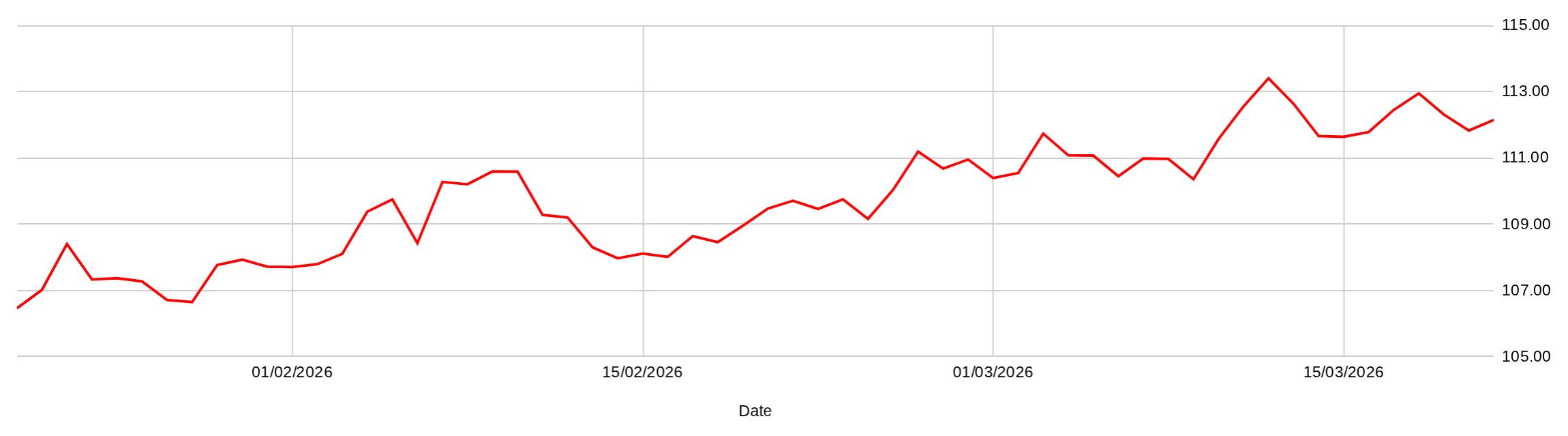
AUD/JPY: UPSIDE BREAKOUT expected in the coming days due to widening yield differentials
Hey traders, looking at AUD/JPY over the past 7 months, we saw immense volatility, plunging on Chinese property fears before violently reversing higher over the last 7 weeks. This recent surge was absolutely fueled by the Reserve Bank of Australia hiking rates aggressively to 4.10 percent, while the Bank of Japan remained stuck at 0.75 percent amid devastating energy import costs. Moving into the upcoming 7 days and 7 weeks, we have highly convincing upside momentum projected. With Middle Eastern tensions keeping oil expensive, Japan’s terms of trade will suffer, making Australia’s massive yield advantage irresistible for carry trades.
Fri Dec 19 2025: Bank of Japan executed a historic hike to 0.75 percent, strengthening the JPY before momentum quickly faded.
Wed Feb 04 2026: Reserve Bank of Australia unexpectedly hiked to 3.85 percent, initiating a violent upward repricing in sovereign bond yields.
Tue Mar 17 2026: Reserve Bank of Australia hiked to 4.10 percent in a tight 5-4 vote; AUD surged on the widening spread.
Thu Mar 26 2026: Bank of Japan Summary of Opinions release; markets will intensely scrutinize the text for hints of future rate normalization.
Fri Mar 27 2026: Tokyo Core Consumer Price Index data; a print above 2.0 percent could temporarily support JPY by reviving hike bets.
Wed Apr 29 2026: Australian Consumer Price Index release; a persistently hot inflation print will cement expectations for a May RBA rate hike.
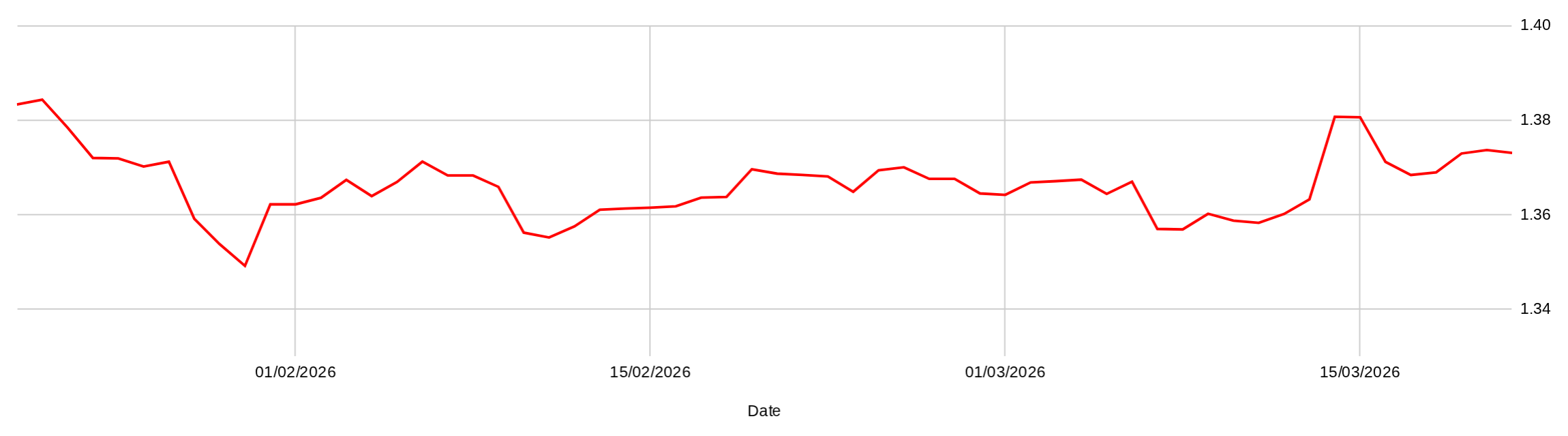
USD/CAD: UPSIDE MOMENTUM expected in the coming weeks due to labor market divergences
Let’s chat about USD/CAD, which showed a profound structural decoupling over the past 7 months, grinding steadily higher despite traditional petro-currency correlations. Over the last 7 weeks, this upside trajectory accelerated wildly after a catastrophic Canadian labor report showed 84,000 job losses, cementing the Bank of Canada’s hold at 2.25 percent. Meanwhile, the Federal Reserve paused at 3.50 to 3.75 percent due to sticky inflation. For the next 7 days and 7 weeks, a highly convincing upside continuation is forecast. The USD remains the ultimate geopolitical safe haven, while Canada’s rising unemployment completely neutralizes surging global crude oil prices.
Wed Dec 10 2025: Bank of Canada abruptly halted its easing cycle at 2.25 percent, stabilizing the CAD amid rising global economic uncertainty.
Wed Jan 28 2026: Federal Reserve executed a hawkish hold at 3.50 to 3.75 percent, establishing a firm technical floor for the USD.
Fri Mar 13 2026: Canadian employment collapsed by 84,000 jobs, pushing unemployment to 6.7 percent and triggering a massive intraday USD/CAD rally.
Thu Mar 26 2026: United States Initial Jobless Claims release; signs of extreme labor market resilience will heavily reinforce USD safe-haven dominance.
Fri Apr 03 2026: United States Non-Farm Payrolls report; an upside surprise will mathematically erase rate cut expectations, pushing USD/CAD significantly higher.
Fri Apr 10 2026: Canadian Labour Force Survey; another severe contraction in employment will effectively force the Bank of Canada toward dovish capitulation.