
The Greenback Takes a Direct Hit
Last week (Week 31) took a sledgehammer to the US dollar’s dominance. That beatdown completely reshaped the market roadmap as trading opens for Week 32 (August 3–9).
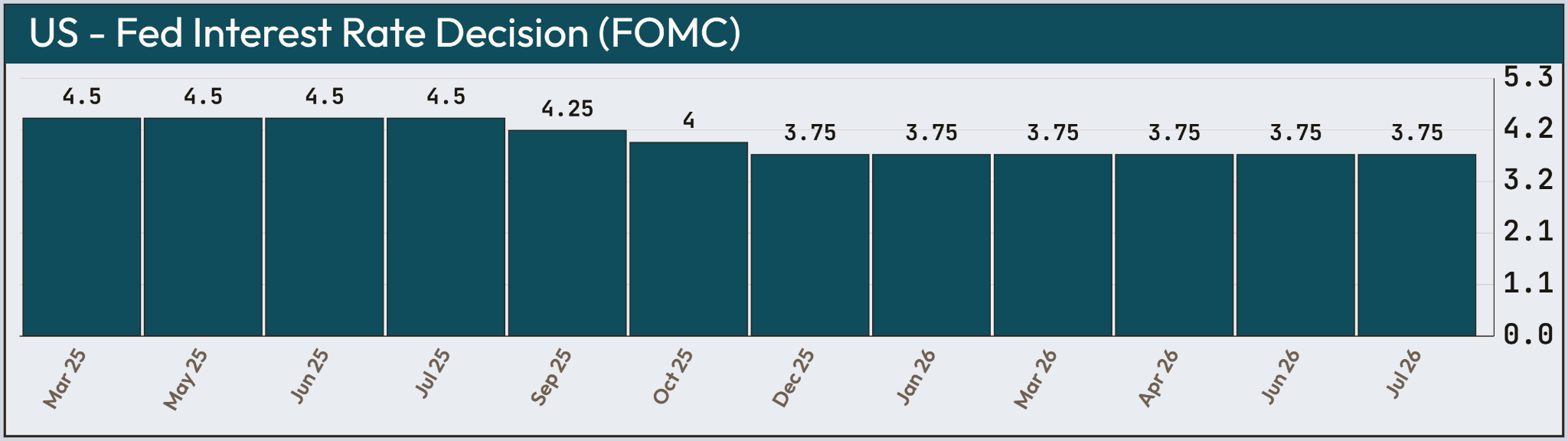
First, the Federal Reserve kept its benchmark rate sitting at 3.75% on July 29th. Then came the economic report card a day later. Second-quarter US GDP limped in at just 1.5%, falling way short of the 2.1% consensus.


Dropping the Yen Trades
The energy panic that crushed the yen earlier in the summer has quieted down now that Middle Eastern tanker traffic is moving again. On top of that, the Bank of Japan kept rates steady at 1.0% on July 31st while signaling a firmer path forward for policy.
The Core August Strategy
We are shifting gears.
It is time to drop cross-currency bets entirely and lock in with our broader strategic mandate. The plan now is straightforward: aggressively short a fading greenback against high-yielding, fundamentally sound peers.

US Growth Stalls as the Dollar’s Edge Fades
Hiring Slows Down and Growth Slumps
The US dollar is losing its shine, fast.
That shift became impossible to ignore on July 30th when second-quarter GDP came in at an annualized rate of just 1.5%. Compare that to the 2.1% pace from the first quarter, and the trend line becomes obvious.
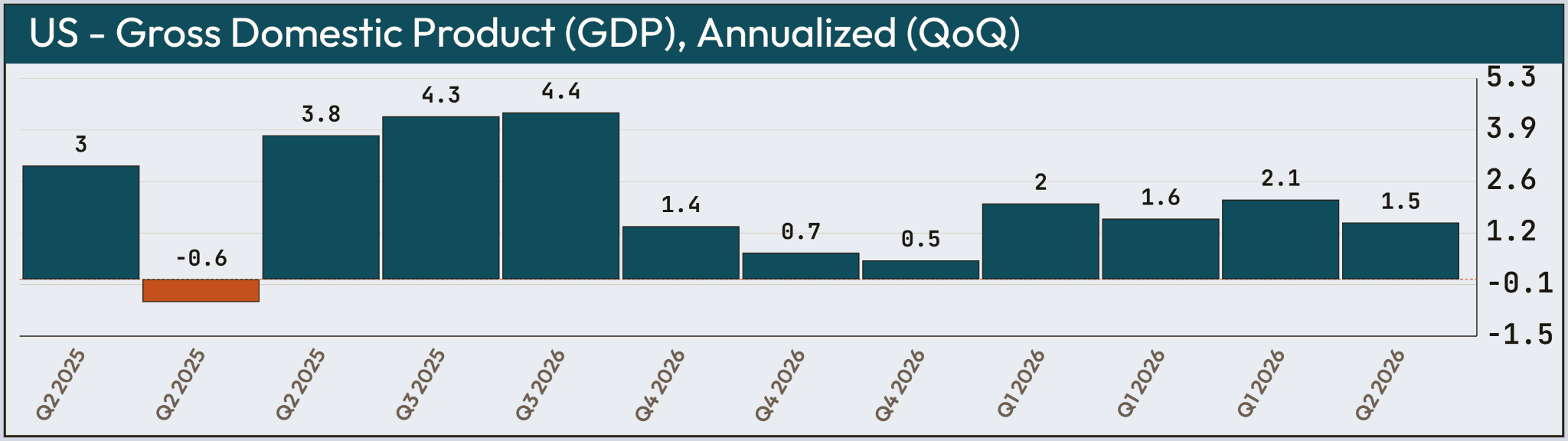
This drop-off isn’t a fluke. It lines up right beside the ugly 57k job addition from earlier in July, proving that the American job market is running out of steam.
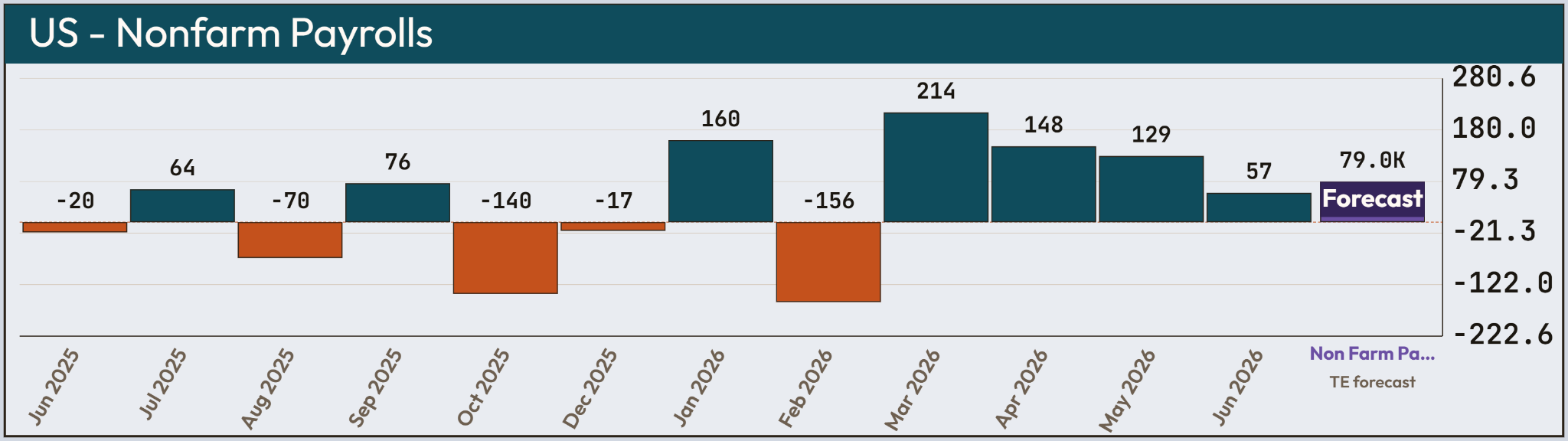
Now, as trading gets underway for the week of August 3rd to 9th, everyone is watching the exact same spot on the calendar: the August 7th payroll release. If hiring misses the mark two months in a row, any remaining expectations for higher rates will shatter.
The Fed Pauses while Markets Look Ahead
The Federal Reserve chose to hold the benchmark interest rate at 3.75% on July 29th. Three officials actually wanted to raise rates immediately, but bond traders completely brushed off that aggressive posture. Long-term Treasury yields dropped anyway.
Why the quiet market reaction? Simple. The pressure is off.
Oil shipping risks have backed down, inflation is cooling, and central bankers no longer have a reason to rush out more rate increases. Without oil spikes to trigger panic buying, the dollar has lost its main engine. That leaves it sitting wide open to losses against other major currencies all through August.
Sterling Anchored by Hawkish Hold and Fiscal Calm
Threadneedle Street Stands Its Ground
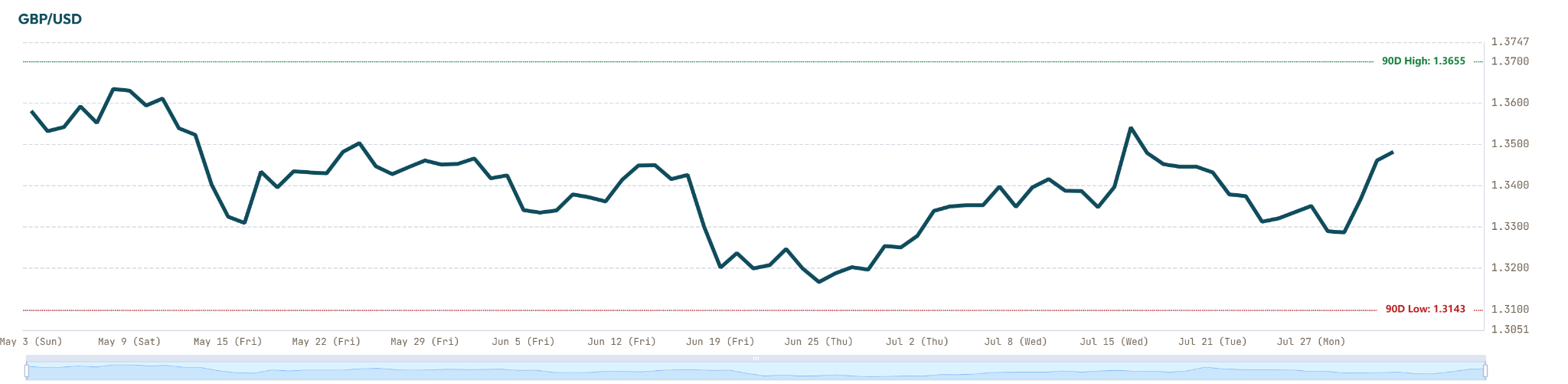
The British pound has turned into one of the cleanest trades on the board for anyone looking to short the greenback.
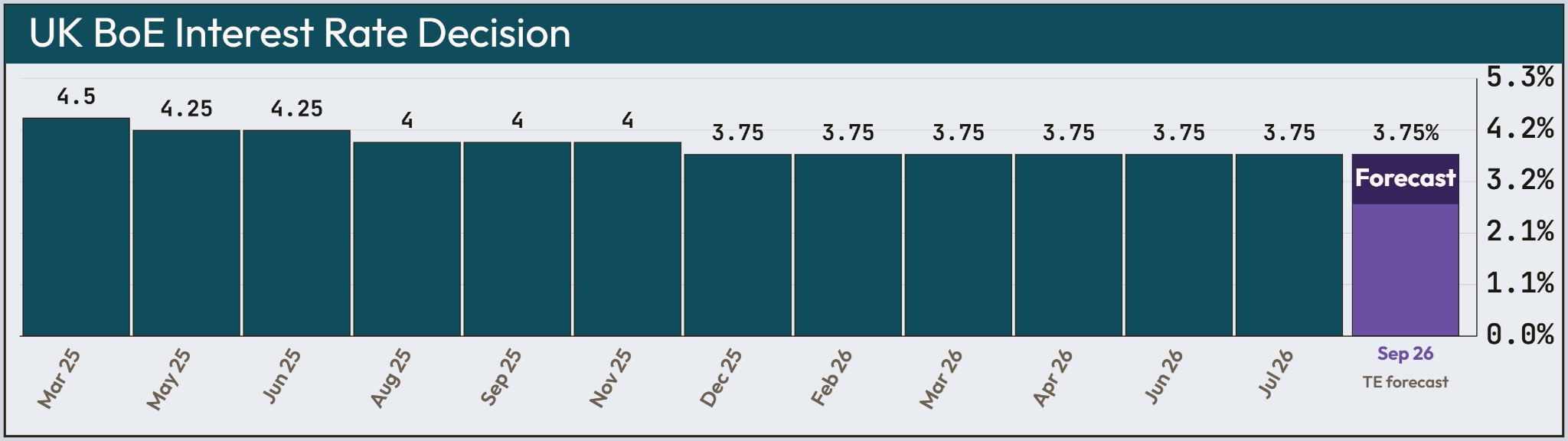
On July 30th, the Bank of England decided to hold its main rate at 3.75%. But look closer at that 6-3 vote split. Three policymakers actually voted to push rates higher right then and there. Even though headline CPI slipped to 2.6% on July 22nd, sticky service prices are keeping central bankers awake at night. That aggressive tilt puts a firm floor under sterling’s yield, giving it a real structural edge.
Westminster Settles Down
At the same time, political panic has completely drained out of the UK bond market.
Keir Starmer stepped down, but Andy Burnham’s move into 10 Downing Street went off without a hitch. Burnham promised straight away to keep spending tight, and bringing in John Healey as Chancellor gave traders even more peace of mind. That double-act kept 10-year gilt yields locked right around 4.95%.
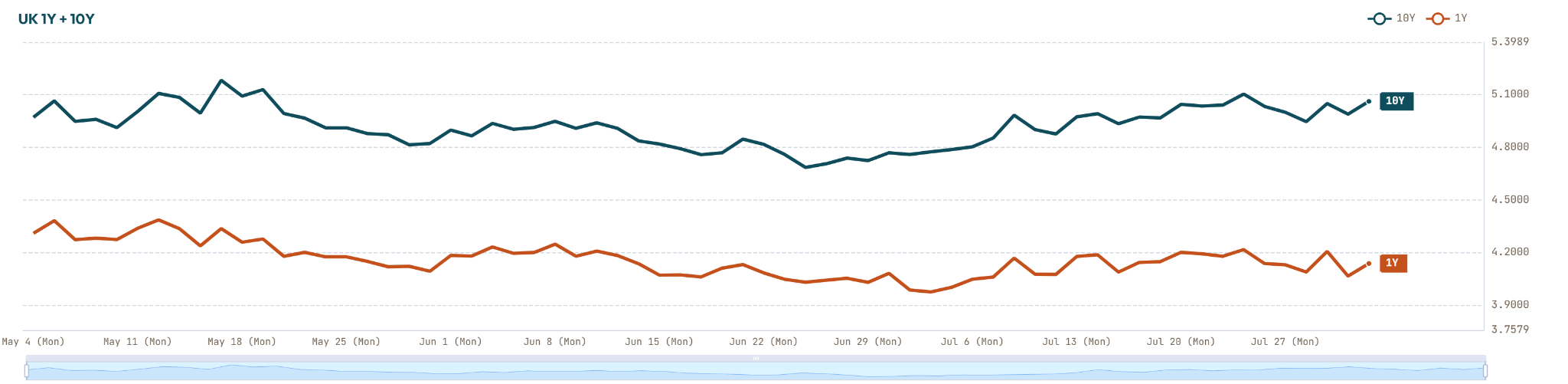
With quiet back in Parliament and central bankers refusing to back off, the pound sits ready to catch money running away from the US dollar.
Red-Hot Jobs Market Keeps the Aussie Flying High
Labor Muscle Outweighs Cooling Inflation
The Australian dollar isn’t backing down from the greenback, and you can thank a ridiculously strong domestic job market for that.
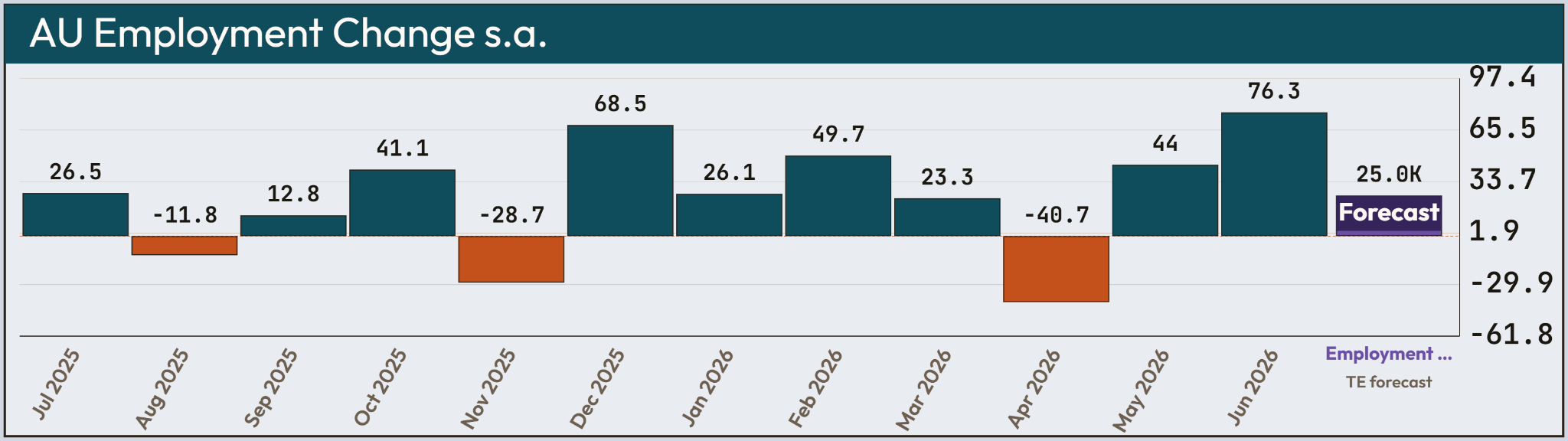
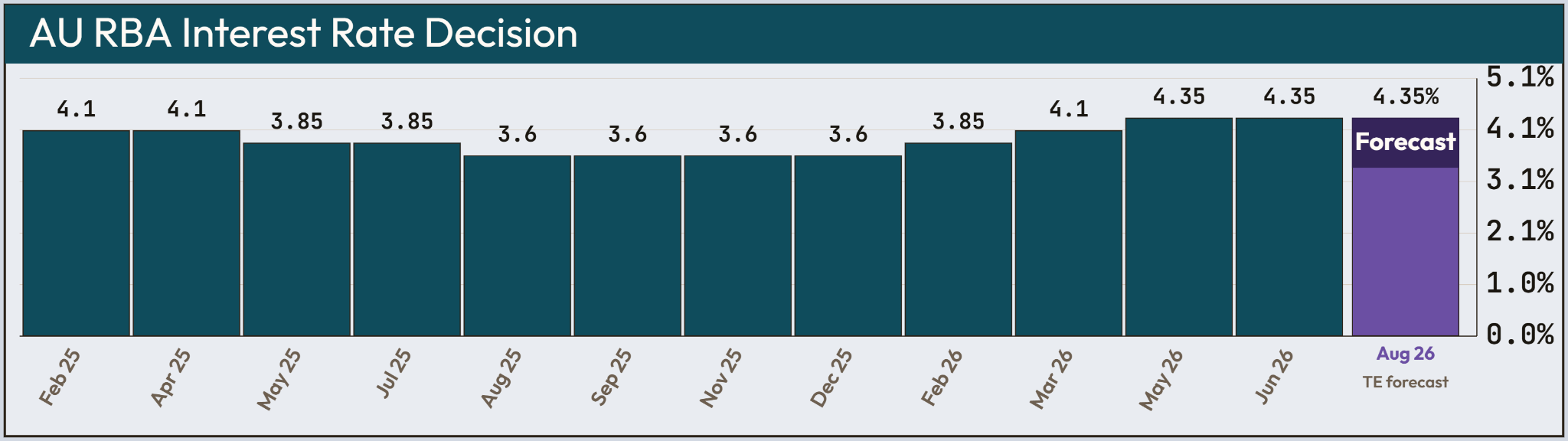
Everything changed on July 23rd. Australia dropped an employment print that stunned markets—adding 76.3k jobs when forecasters were expecting a tiny 15k trickle. That single release completely redirected where the Reserve Bank of Australia is heading next.
Sure, headline inflation eased off to 3.8% on July 29th, coming in lower than the 4.0% market pick. But the trimmed mean core number stayed stuck at 3.6%.
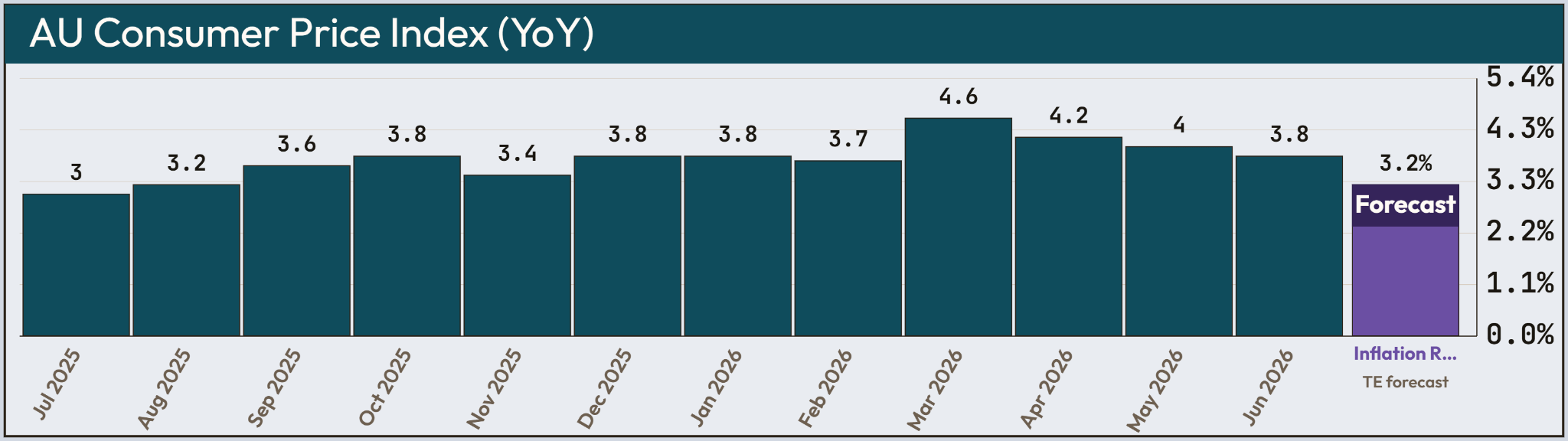
When you combine a hiring surge with core prices that refuse to budge, the RBA has zero room to play soft at its August 11th policy meeting. Any hope of a dovish turn is pretty much off the table, making the Aussie one of the best tools around to trade against a fading greenback.
Conclusion
Why the US Dollar Lost Its Guardrail
The market landscape just underwent a complete regime shift.
Those geopolitical energy scares that kept a floor under the dollar for months? They’ve completely dried up. At the same time, domestic US data keeps pointing toward a real, inescapable slowdown.
With trans-Tasman plays and yen crosses pushed to the sidelines by these changing fundamentals, the path of least resistance through August and into September is remarkably clear: sell the greenback.
By shifting capital over to sterling and the Aussie dollar, traders can target the massive split opening up between a fading US economy and the sticky, resilient fundamentals keeping the UK and Australia afloat.