
US Dollar Narrative Shatters
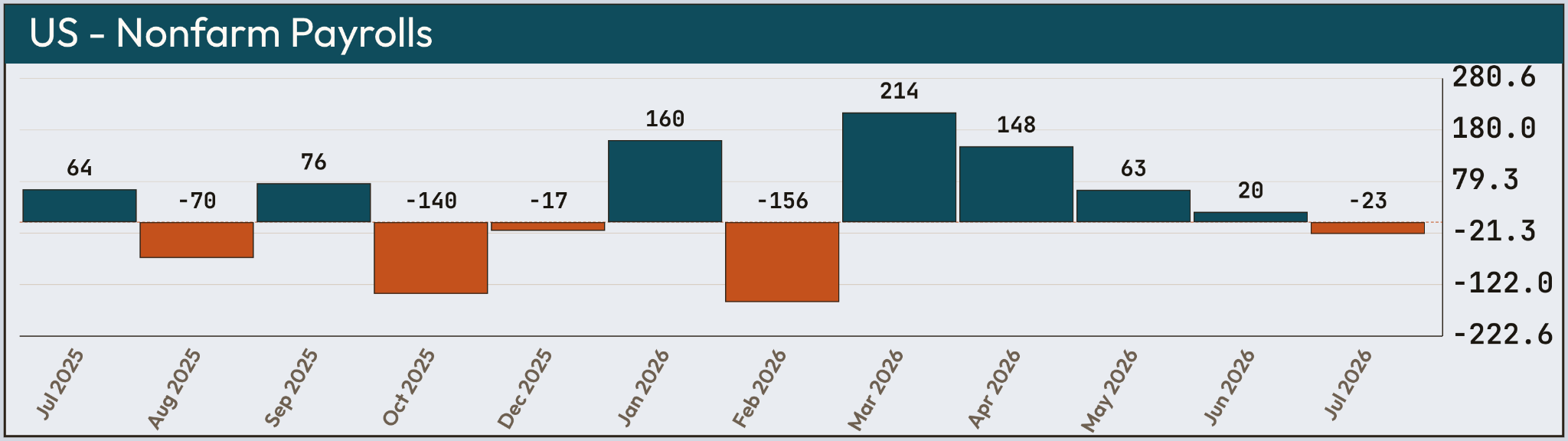
Last week completely tore apart the US dollar’s multi-month rally. On Friday, August 7th, Nonfarm Payrolls delivered a shock contraction of -23k against an expected 80k gain. That confirms the American jobs market is cooling rapidly, driving the 10-year Treasury yield straight down to 4.56%.

Positioning for Week 33
Last week favoured long positions in both AUD/USD and GBP/USD.
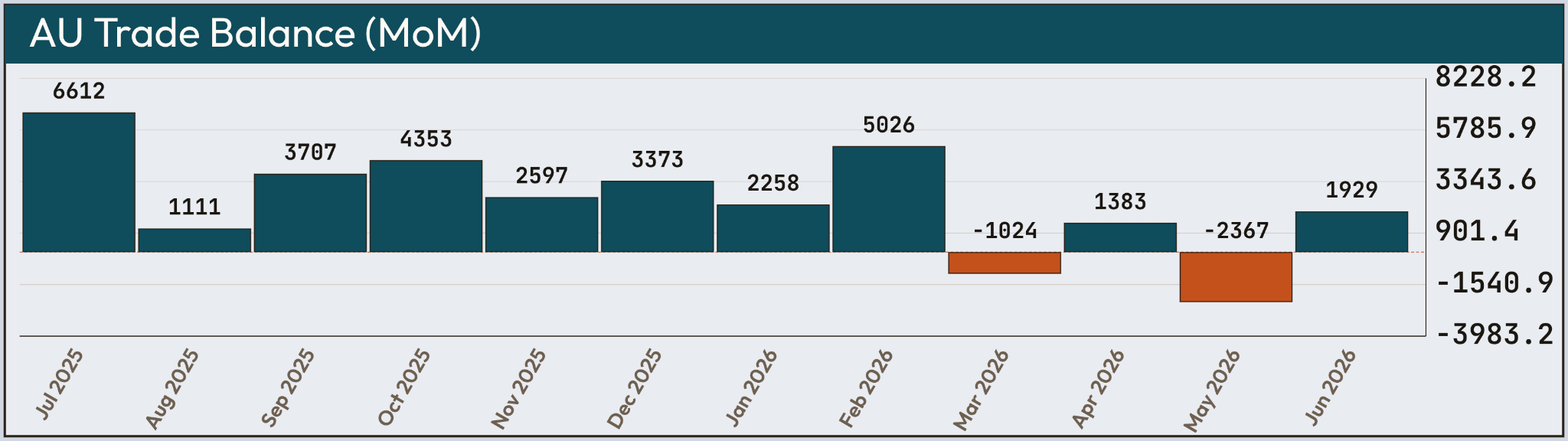
I am holding onto the long AUD/USD which was entered at 0.704 as good Australian trade numbers keep that direction firmly intact.
However, the long GBP/USD will be reconsidered as UK retail momentum looks to be stalled.
Opportunities to short USD/JPY will be considered throughout the week. This trade capitalizes on a massive rush into safe-haven assets alongside increasingly hawkish noise from the Bank of Japan.
Over the next three weeks, upcoming US inflation prints and the Reserve Bank of Australia’s rate decision will dictate just how fast the greenback drops.

The US Labour Engine Stalls Out
Negative Payrolls Shift the Fed Narrative
The US dollar took an absolute beating last week. Friday, August 7th brought a brutal reality check when Nonfarm Payrolls clocked in at a dismal -23k—miles below the forecasted 80k gain. That marks a sharp contraction in hiring. Sure, unemployment ticked down to 4.1%, but that was mostly because labour force participation sank to 61.4%, revealing real fragility under the hood. The 10-year Treasury yield cratered to 4.56% almost instantly as traders dumped any remaining bets on a Fed rate hike.
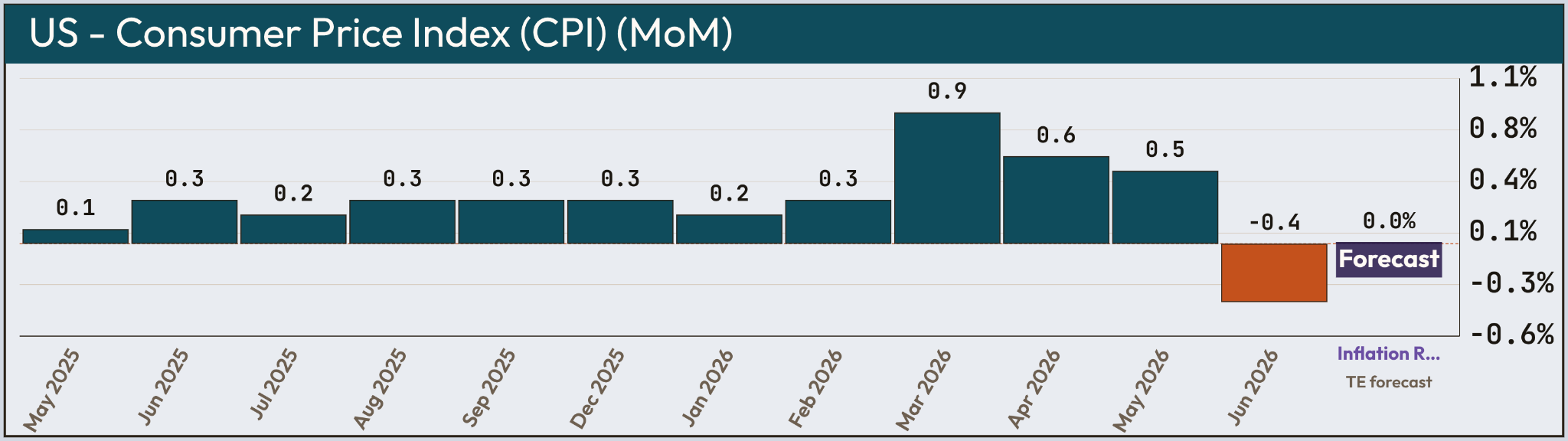
Looking at Week 33 (August 10th to 16th), the greenback is morphing from a high-yield haven into a fragile funding currency. Everyone’s eyes now turn to Wednesday’s CPI report on August 12th. If inflation comes in flat or negative, it strips away the dollar’s final yield defence, opening the floodgates for heavy selling through the rest of the month.
The Yen Resurrects on Policy Shifts
Intervention and Yield Convergence
The Japanese yen has caught a massive tailwind. Between coordinated US-Japan currency interventions and the Bank of Japan dropping hawkish hints, money is racing back into Tokyo. Markets are already heavily pricing in a potential BoJ rate hike come September. Heading through mid-August and into next month, the yen’s safe-haven pull will keep bleeding capital out of the weakening dollar—especially if Japanese growth numbers beat expectations on August 16th and squeeze the yield differential even further.
Aussie Defies Gravity on Commodity Strength
RBA Holds the Line
Even with a broader global deceleration, the Australian dollar is flexing hard thanks to strong commodity exports. Australia’s Trade Balance smashed expectations on Thursday, August 6th, printing at a cool A$1.93 billion against forecasts of a deficit. That keeps buyers firmly in control. The Reserve Bank of Australia looks set to hold its cash rate steady at 4.35% on August 11th. Over the next three weeks, as long as the RBA sticks to its hawkish stance to fight stubborn local inflation, the Aussie stands out as the cleanest vehicle to trade against a damaged greenback.
Macro Realities Force a US Re-pricing
Markets are rapidly pricing in a clear US slowdown. That negative jobs print stripped the greenback of its yield advantage, driving capital straight into currencies backed by hawkish central banks and solid domestic fundamentals. Moving through Week 33 and into late August, selling the dollar on any short-lived pops remains the path of least resistance—with the Aussie’s yield edge and the Yen’s policy tailwinds leading the charge.