

USD fundamentals gave way completely last week (WN33).
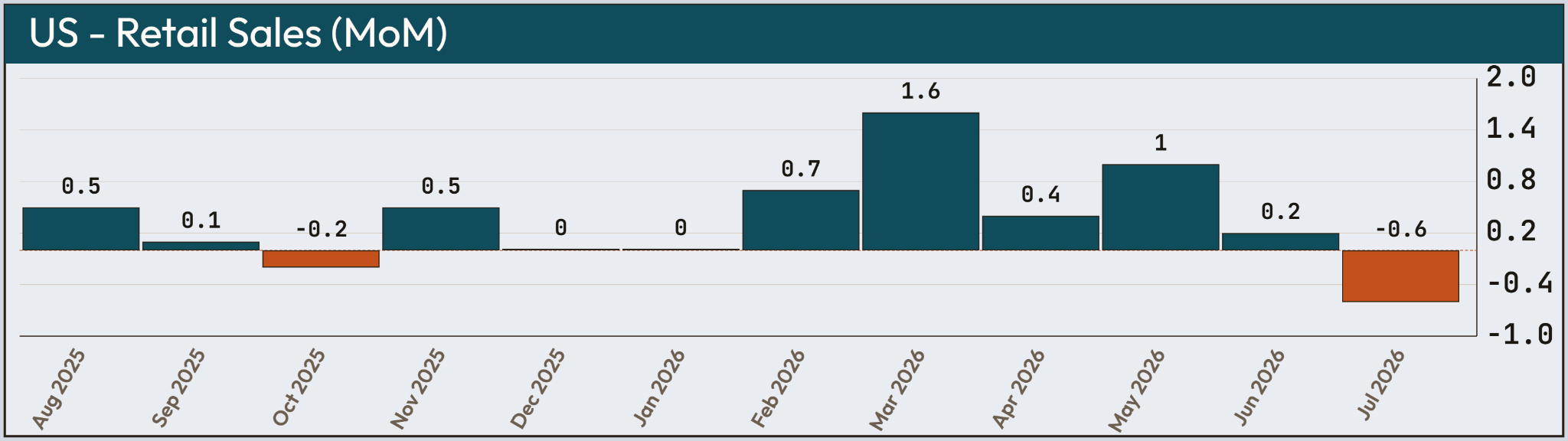
July retail sales sank 0.6% month-over-month, missing expectations by a mile. Consumer sentiment cratered to a bleak 51. Factor in flat producer prices alongside cooling CPI data, and the market stripped away the greenback’s fundamental premium almost overnight.
Cutting AUD, Riding USD/JPY Lower
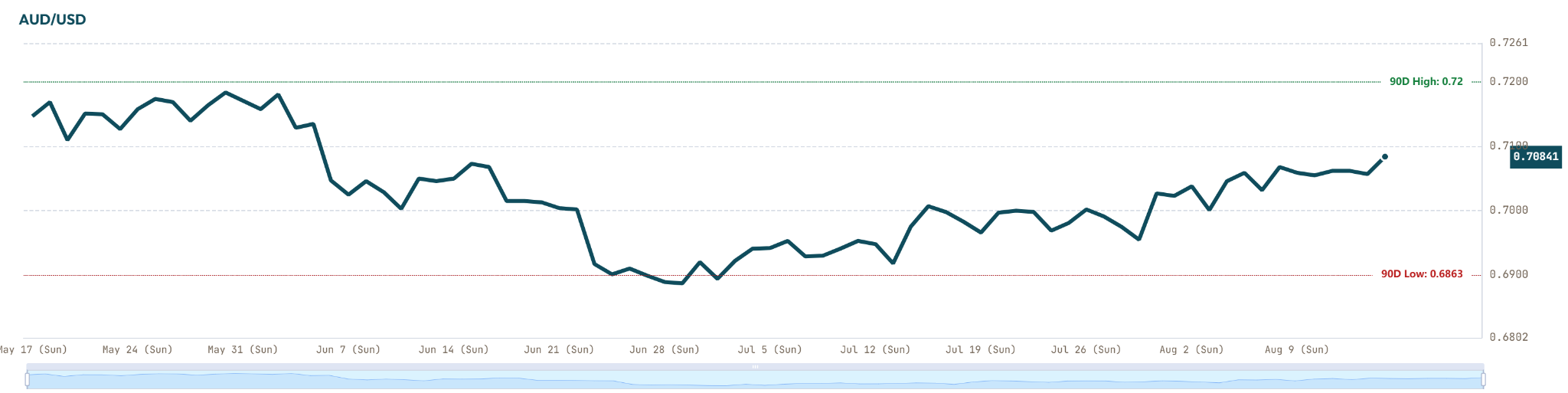
Last week’s tactical setup called for maintaining long AUD/USD while scaling into short USD/JPY.
That AUD/USD long should be closed with the profits taken as commodity sentiment is turning sour.
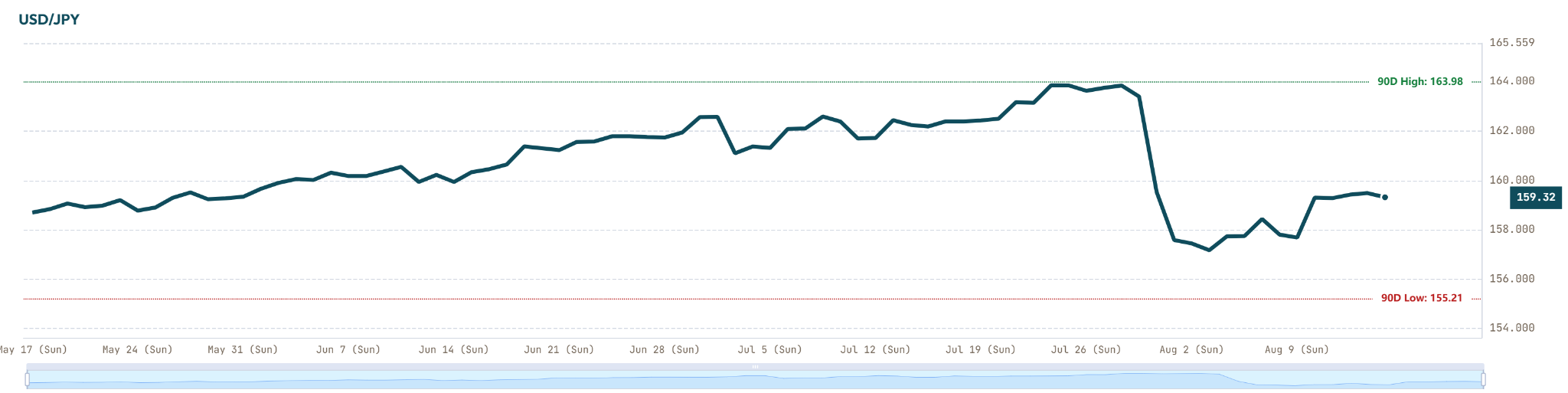
Short USD/JPY, on the other hand, is to be maintained as safe-haven capital pours into Tokyo.
Targeting NZD and JPY
As we step into WN34 (August 17–23), watch capital flow fast toward the hawkish New Zealand dollar and a surging Japanese yen. Both offer prime setups to short-circuit a softening US economy.

Yield Advantage Evaporates
Consumers Retreat
America’s growth engine is losing steam fast.
Consumers pulled back hard in July, dragging retail sales down 0.6%—the steepest monthly slide in over a year. That slump confirms what last week’s negative payrolls report already signaled: demand is cracking.
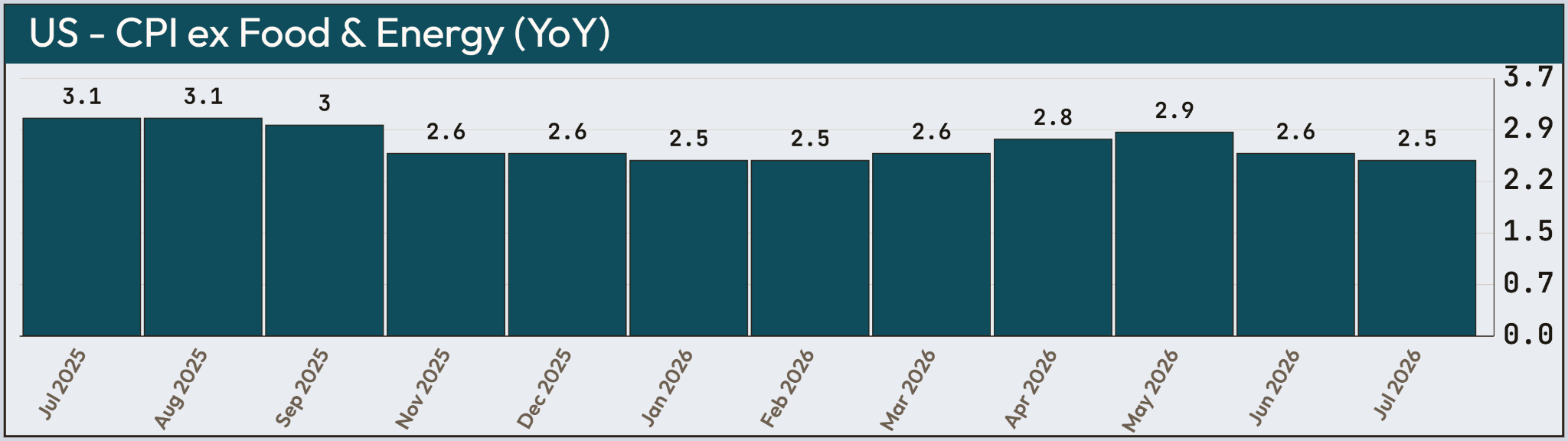
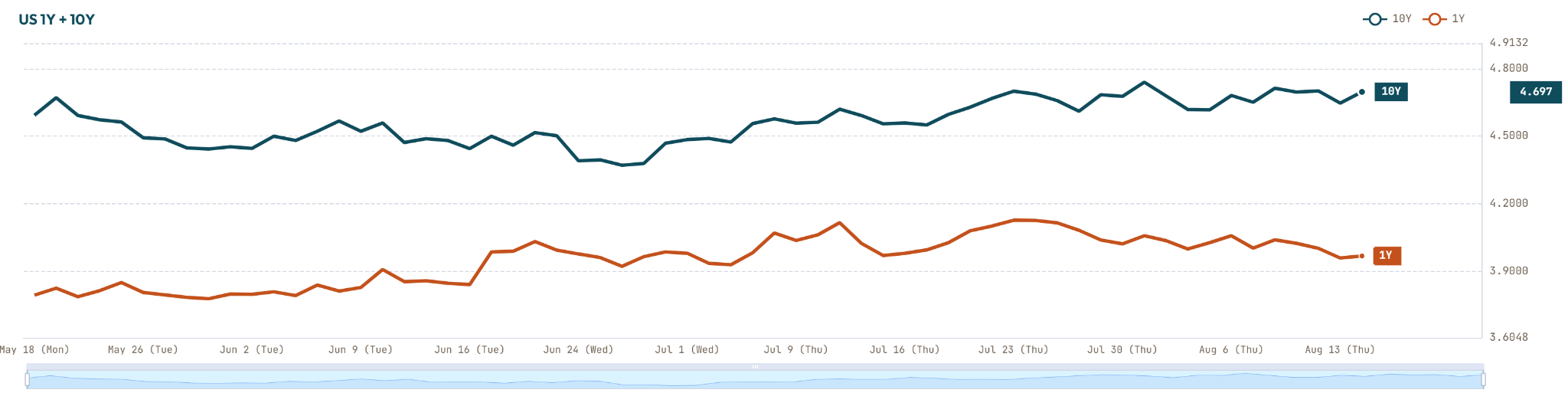
Price pressures are melting away alongside it. With core inflation slowing to an annual 2.5%, the sudden price spikes that propped up government bond yields all summer are running out of runway.
Now, the 10-year Treasury is barely clinging to 4.65%. Investors have completely wiped out their bets on a hawkish September surprise from the Federal Reserve, and the market is recalibrating in real time.
Fed Path Narrows
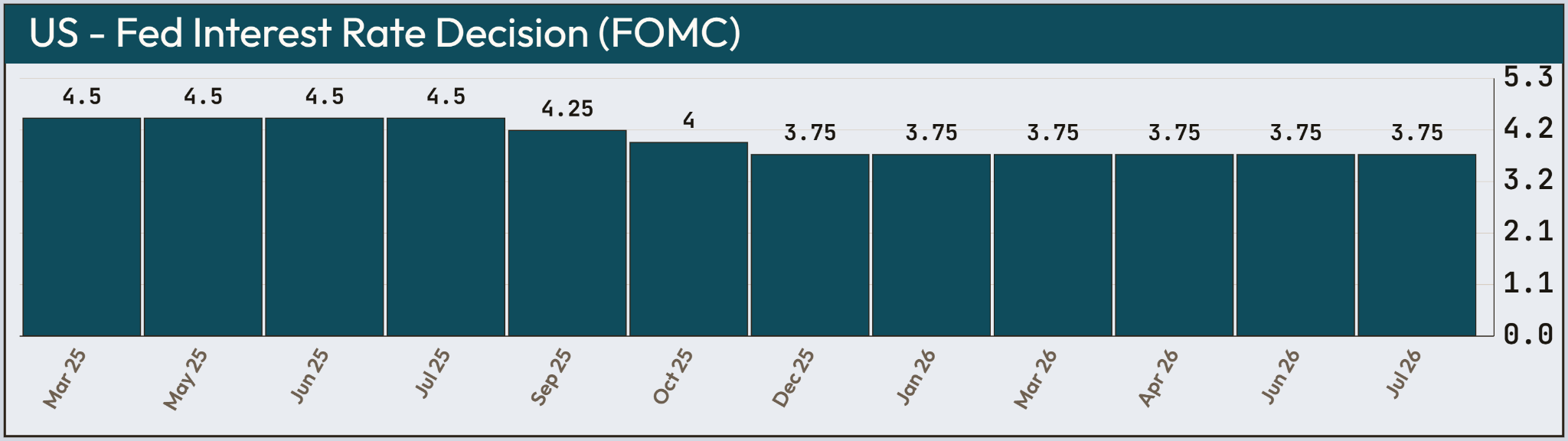
Next week, the US dollar faces a rough pivot. The greenback is shedding its status as an attractive, high-yielding safe haven and morphing into a funding currency ripe for shorting.
Traders are growing restless. With joblessness ticking up and price pressures cooling into outright deflation, the Federal Reserve’s restrictive 3.75% benchmark rate looks less like prudence and more like a blunder.
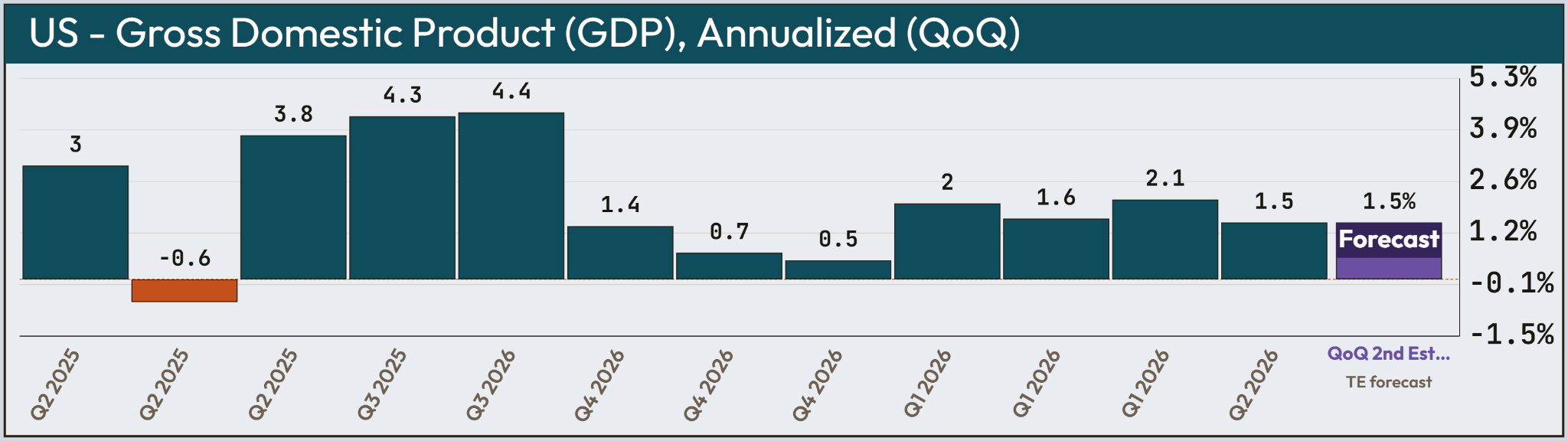
Keep an eye on the next three weeks. If the August 26th GDP revisions confirm the economy is losing speed, the bottom could drop out. That would unleash heavy, sustained selling as capital flees into currencies backed by central banks that are still actively tightening.
RBNZ Hawkishness Takes Centre Stage
Kiwi Takes the Lead
With Australia tapping the brakes, New Zealand has taken the crown as the fiercest hawk in the G8.
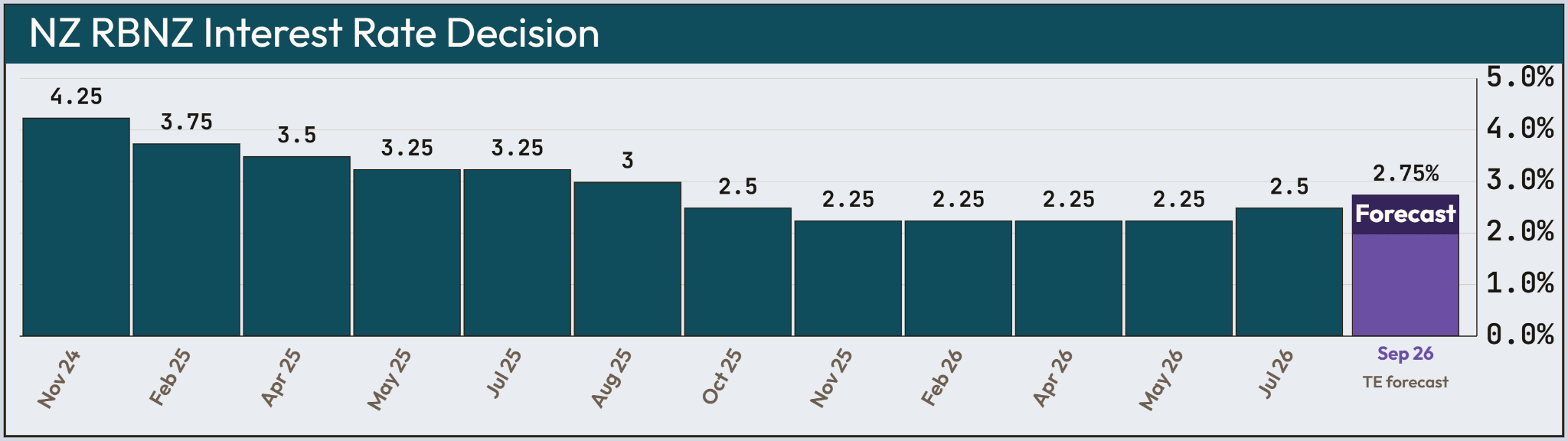
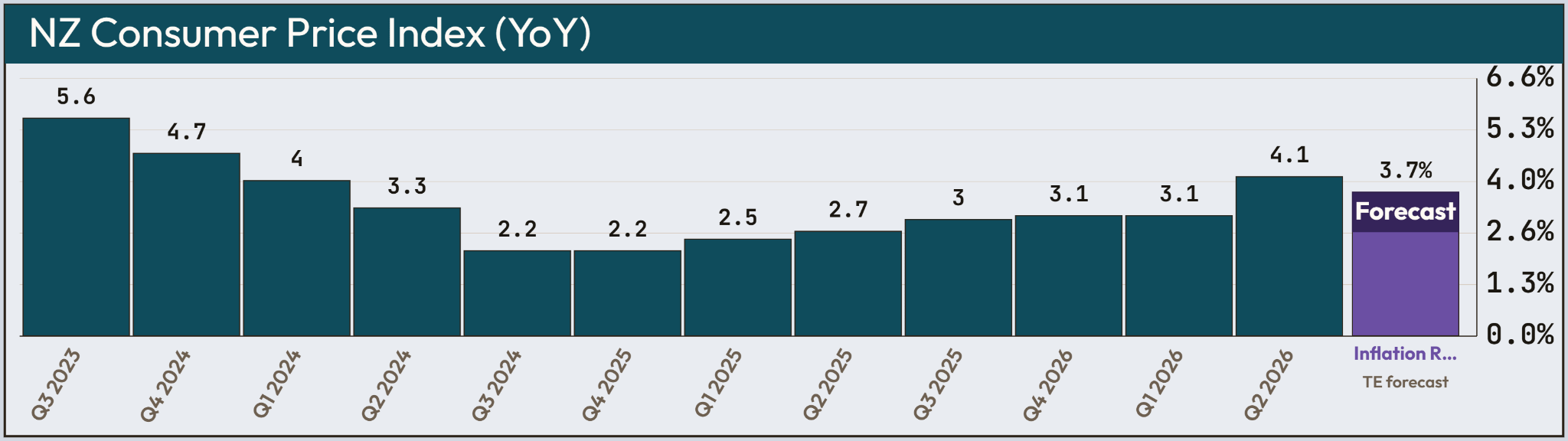
The Reserve Bank of New Zealand bumped its cash rate to 2.50% in July, fired up by a scorching 4.1% inflation print in the second quarter. Traders took the hint. Right now, markets are pricing in an 89.9% chance of yet another hike when policymakers meet on September 2nd.
Favorable Divergence
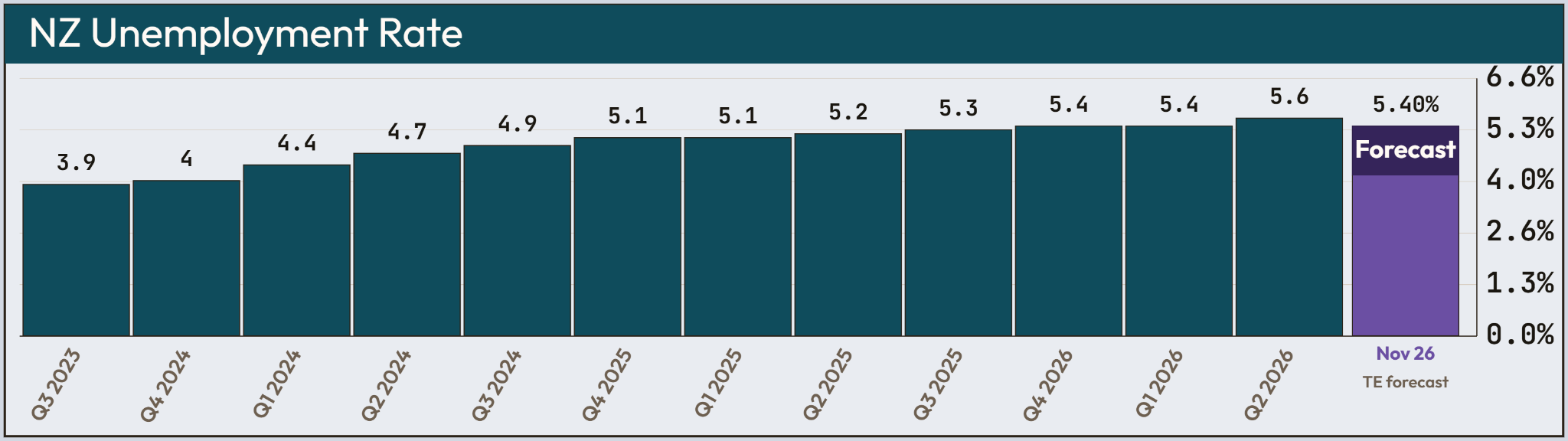
Job numbers are showing some wear—unemployment climbed to 5.6%. Even so, Wellington’s aggressive rate path puts a firm floor right under the currency.
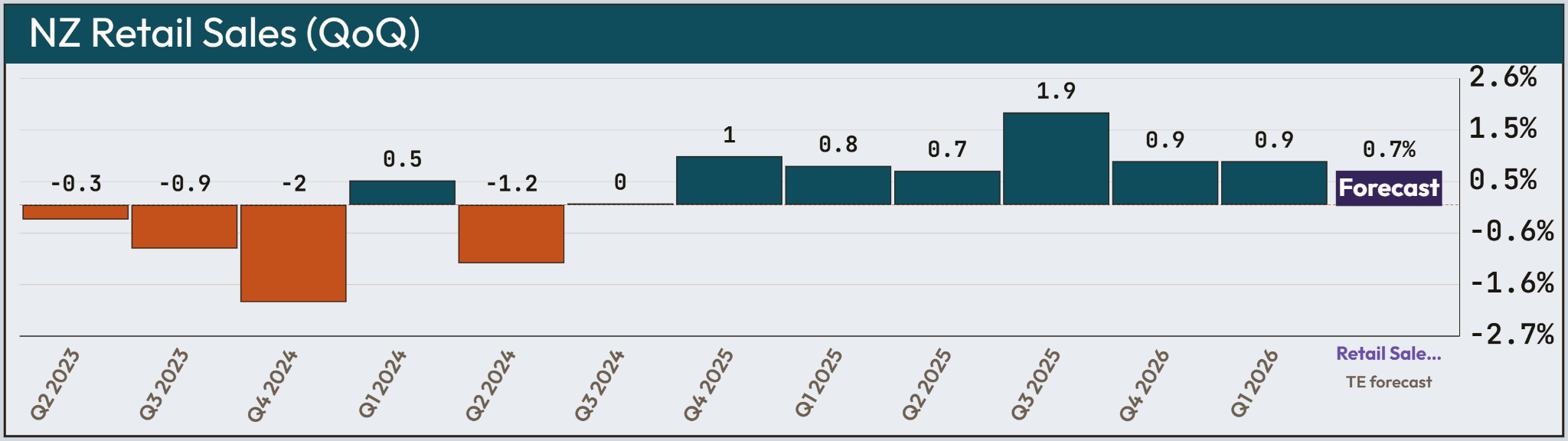
As money ditches the US dollar this week, the kiwi is lined up to catch the windfall. Retail sales numbers late in WN34 will be the real trial by fire. Yet the gap between a hawkish RBNZ and a retreating Fed leaves buyers holding a distinct edge for the next three weeks.
Yen Ascends on Yield Convergence
BoJ Policy Creep
The Japanese yen is back in the driver’s seat as the world’s go-to safe haven.
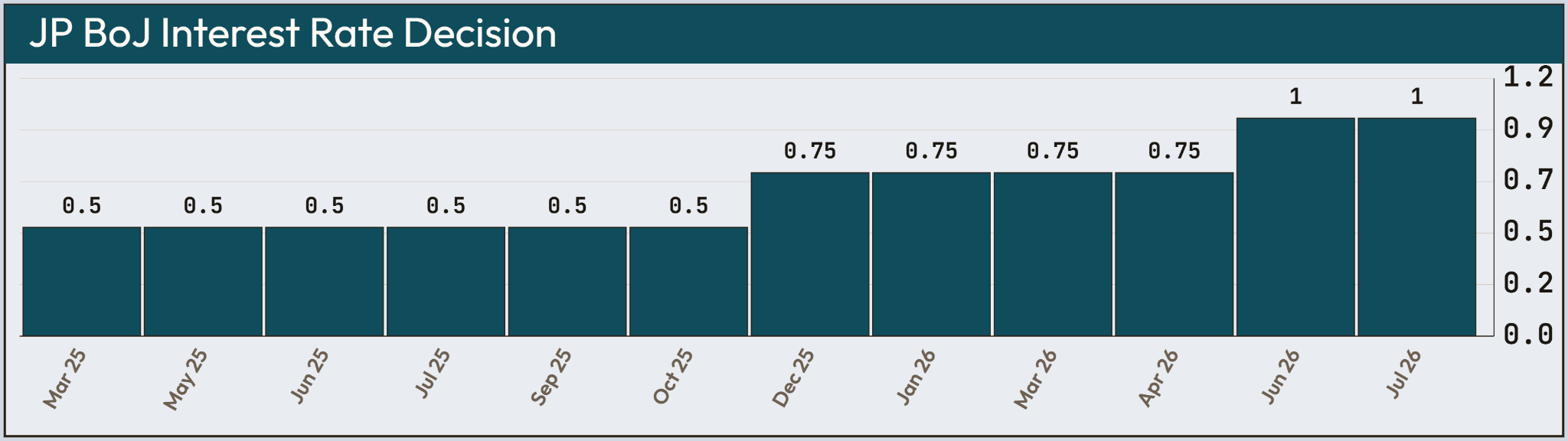
While the Bank of Japan held benchmark rates steady at 1.0% in July, policymakers came out swinging. Officials warned that core inflation could easily blow past their 2% target, sending a clear signal to currency desks. Traders got the message loud and clear—markets are now pricing in a 78.7% chance of a 25-basis-point rate hike at the September 18th meeting.
Funding Trade Unwinds
With US Treasury yields in free fall, the legendary dollar-yen carry trade is unraveling fast.
Japan’s 10-year government bond yield is hovering near a three-decade high of 2.85%. That surge is choking off the fat yield spread that made betting against the yen so profitable for so long.
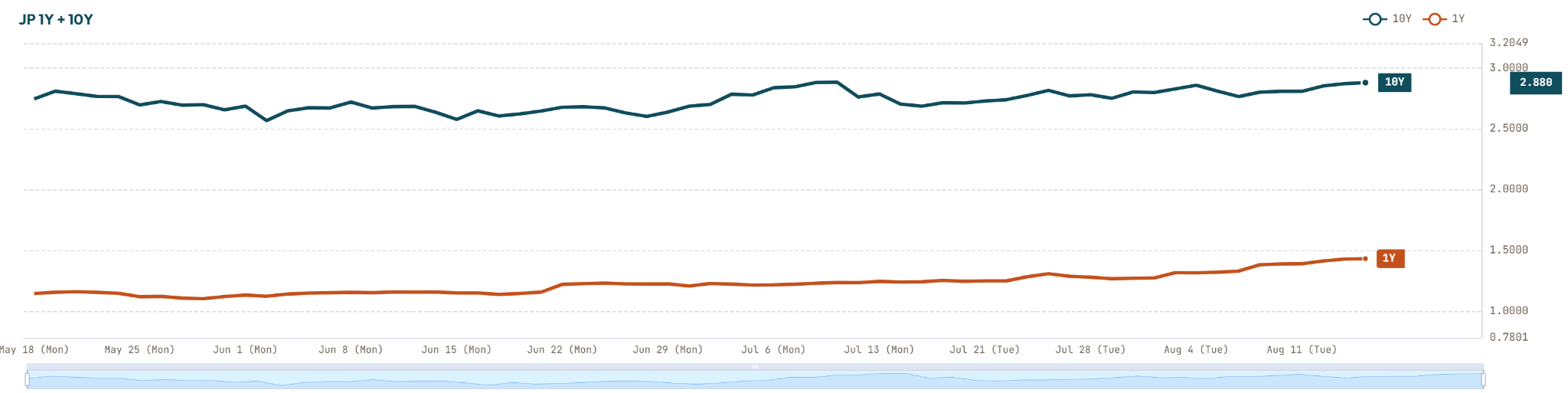
Over the next couple of weeks, expect the yen to react sharply to any fresh cracks in American economic numbers. If US data continues to roll over, USD/JPY faces heavy, relentless downward pressure.
Conclusion
The Dollar Breaks Down
The macro picture is impossible to ignore. The greenback is cracking under a wave of ugly US economic data.
Consumers are tapping out. Retail spending contracted, the job market is shedding payrolls, and the engine is stalling. In this kind of tape, the playbook is simple: short the dollar against central banks that are still pushing rates higher.
Right now, New Zealand and Japan offer the cleanest divergences on the board.
Exploiting the Split
Both the kiwi and the yen are primed to feast on dollar weakness.
The setups are razor sharp. You have an economy in Washington that is slamming into reverse while Wellington and Tokyo keep tightening the screws. That spread is where the opportunity lives.
Ride the weakness. The runway extends through the rest of August and straight into the September policy meetings.
What do you think Abt audnzd long??