

Introduction
Shifting Tactics in a Split Market
An energy-driven rift in central bank policy continues to steer the broader market. Yet, currency targets have been tweaked.
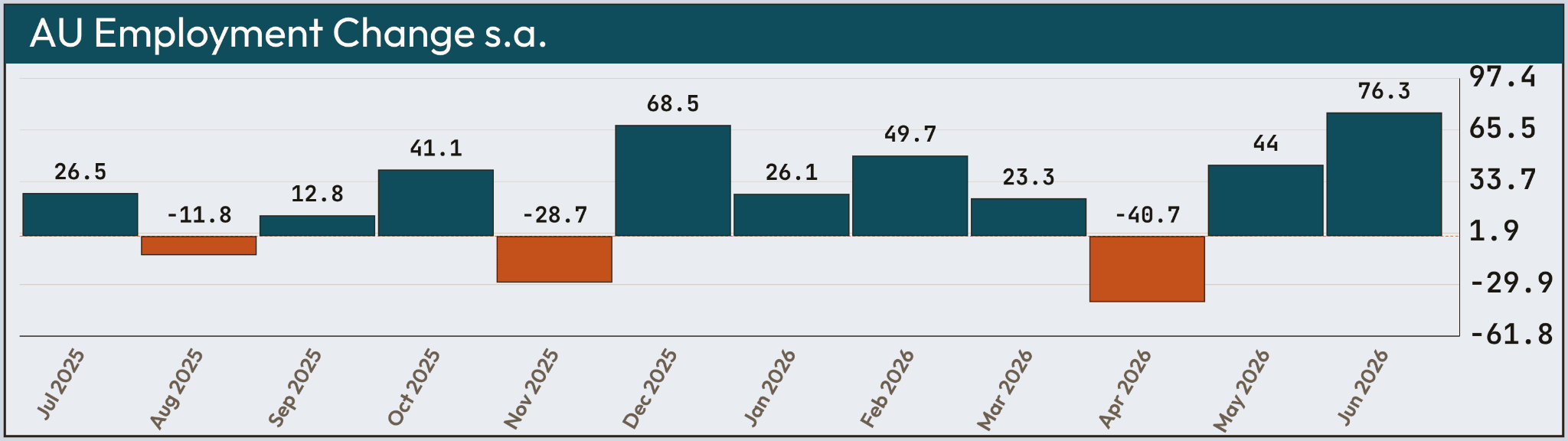
Following a massive surprise in Australian employment figures on Thursday, July 23rd, traders shorting the AUD/NZD were forced to quickly re-evaluate their positions. The market’s reaction was immediate as a staggering 76.3k jobs were added, completely obliterating the forecasted consensus of just 15k.
WN31 Strategy and Beyond
For the week of July 27th to August 2nd, the main driver of the market is energy problems in the Middle East.
These energy issues hurt countries that import a lot of fuel, making Japan particularly weak. At the same time, other central banks are feeling more confident because they are dealing with steady inflation.
Because of this, the plan will evolve to betting that the New Zealand dollar and the British pound will go up compared to the Japanese yen (Long NZD/JPY and Long GBP/JPY).
The plan is simple: because the Japanese yen is weak due to high energy costs, we are betting on currencies from countries with stronger economic data.

The Hormuz Blockade and the High-Yield Hunt
What Just Defined It
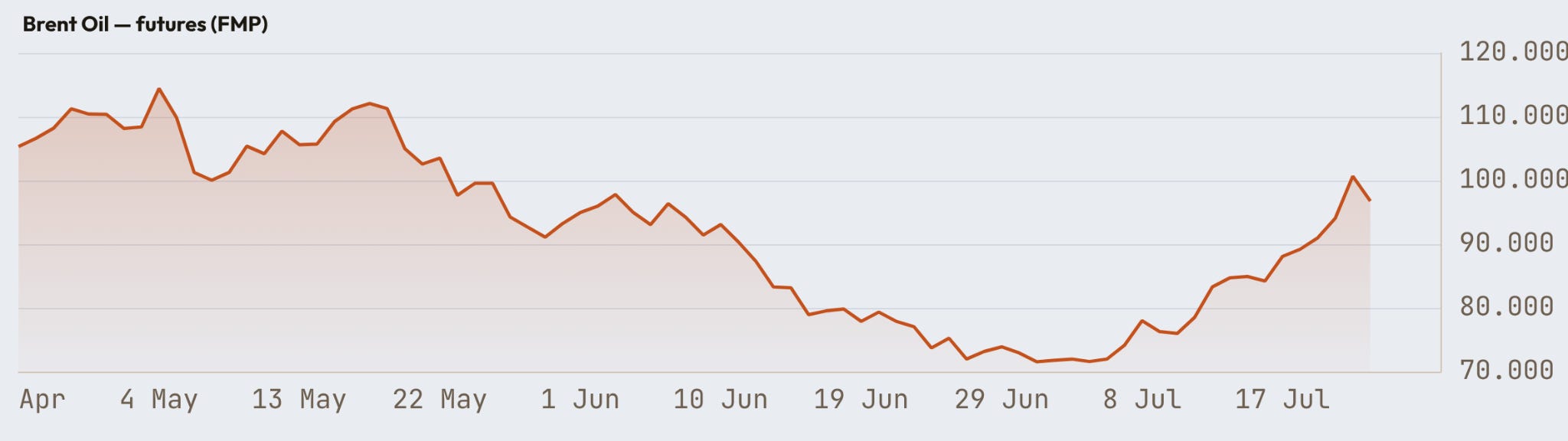
A relentless campaign of US-Iran airstrikes and Houthi blockades on maritime chokepoints has effectively severed typical energy flows through the Persian Gulf and Red Sea. This escalation lifted Brent crude prices above $100 per barrel last week, creating a massive external tax on global growth and reviving headline inflation fears across major economies.
Why It Leads WN31
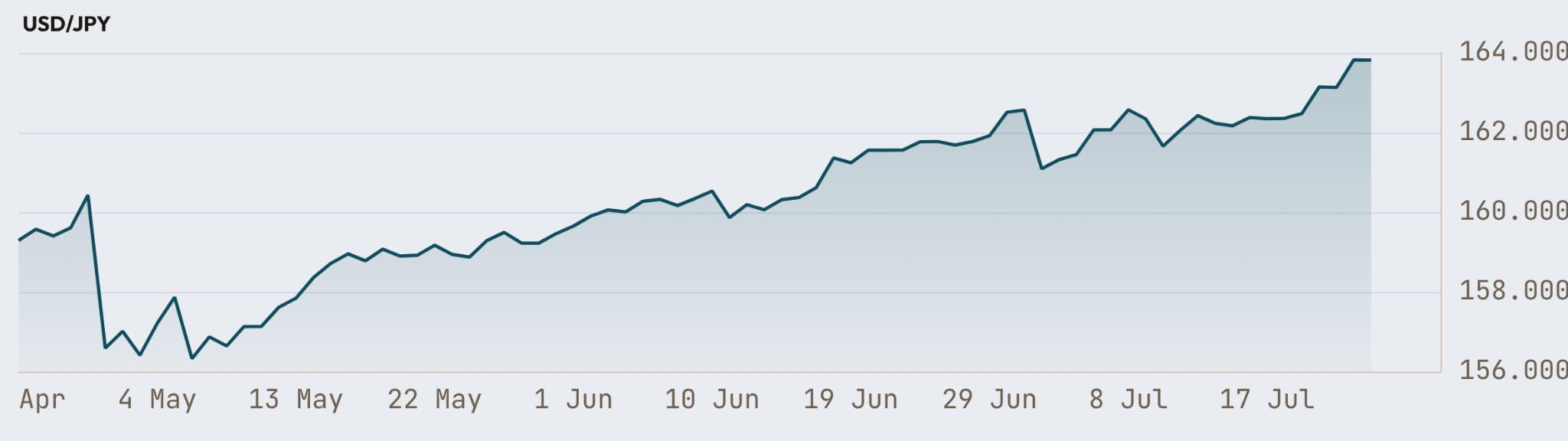
This severe energy shock cleanly divides global central banks into two camps. The Bank of Japan remains trapped; despite hiking rates to 1.0%, Japan’s near-total reliance on imported Middle Eastern oil sent the yen plummeting to a 40-year low of 163.99 against the dollar on Thursday, July 23rd. Conversely, central banks like the Bank of England and the Reserve Bank of New Zealand are leaning on high rates to combat sticky price pressures, creating a massive real-yield advantage.
Divergence and Pairs
This macroeconomic divide perfectly aligns with the cross-currency strategy, supporting Long NZD/JPY and Long GBP/JPY. Capital will continuously seek out these high-yielding, hawkish environments while funding trades via the battered yen.
What Would Break the Thesis
The primary risk to this trajectory is a sudden diplomatic breakthrough in the Middle East that swiftly reopens the Strait of Hormuz, collapsing oil prices. Additionally, a surprise hawkish pivot from the Bank of Japan on Friday, July 31st, could trigger aggressive short-covering and erase the yield gap.

The Antipodean Yield Gap Collapses
The RBA Dilemma Shifts
The Strategic call to short AUD/NZD relied on a frozen RBA contrasting with an active RBNZ. That narrative was shattered on Thursday, July 23rd, when Australian Employment Change printed 76.3k against a 15k consensus, alongside a participation rate rising to 67.0% (beating the 66.7% forecast). This blowout jobs report fundamentally alters the RBA’s trajectory, with market-implied odds of an August rate hike jumping above 40%.
Dropping the Trans-Tasman Cross
This labor market resilience abruptly narrows the policy divergence across the Tasman Sea. The Aussie is no longer a viable funding leg against the Kiwi. With both central banks now facing domestic pressures that support higher-for-longer rates, we are stepping to the sidelines on AUD/NZD, rotating capital toward clearer imbalances.

Sterling’s Resilient Retail Boost
UK Data Defies Gravity
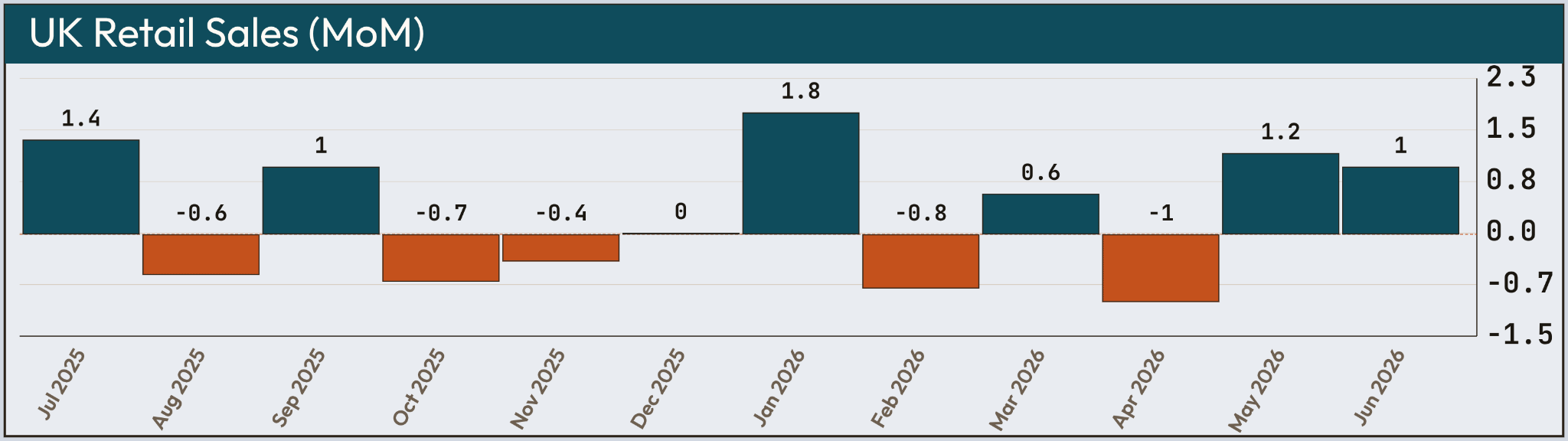
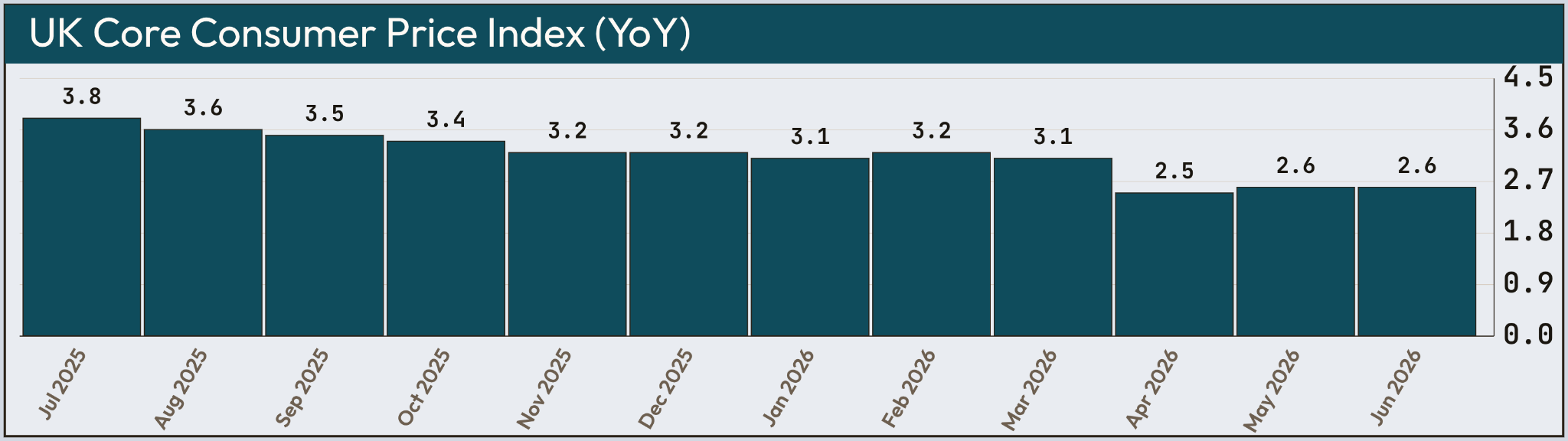
The British Pound has emerged as a premier high-yield vehicle after crushing recessionary fears. On Friday, July 24th, UK Retail Sales for June posted a 1.0% month-over-month gain, obliterating the -0.3% consensus. Furthermore, the July 22nd Core Consumer Price Index held uncomfortably sticky at 2.6% year-over-year against a 2.5% forecast.
Capitalizing on the Pound
These consecutive data beats validate the Bank of England’s tight monetary stance ahead of its upcoming policy decision. With domestic consumption robust and core inflation elevated, the BoE is perfectly positioned to maintain elevated yields. This creates an optimal environment for Long GBP/JPY. We expect this trans-continental yield advantage to drive capital flows into Sterling.
