

The global financial markets are currently navigating heavy risk-off seas, driven almost entirely by the escalating United States and Iran conflict and the subsequent blockade of the Strait of Hormuz. With crude surging, the macro landscape has violently shifted. This massive energy supply shock is acting as a severe headwind for energy-dependent economies, raising the spectre of stagflation across Europe and Asia.
Conversely, currencies backed by structural energy independence and traditional safe-haven appeal are catching tremendous tailwinds. As a result, the fundamental divergences between major economies have rarely been wider. The USD, CAD, and CHF are fortified against the current storm, while the EUR, GBP, and NZD are taking on water due to disrupted trade routes and skyrocketing import costs.
For the days ahead, my focus pairs are EUR/USD and NZD/CAD. These pairs have been specifically chosen because they perfectly isolate the diverging forces of the current crisis: energy importers being crushed by supply shocks versus energy exporters and safe-haven fortresses benefiting from the exact same dynamic. This stark contrast provides a highly tradeable landscape for those willing to respect the geopolitical currents.
POTENTIAL SELL EUR/USD
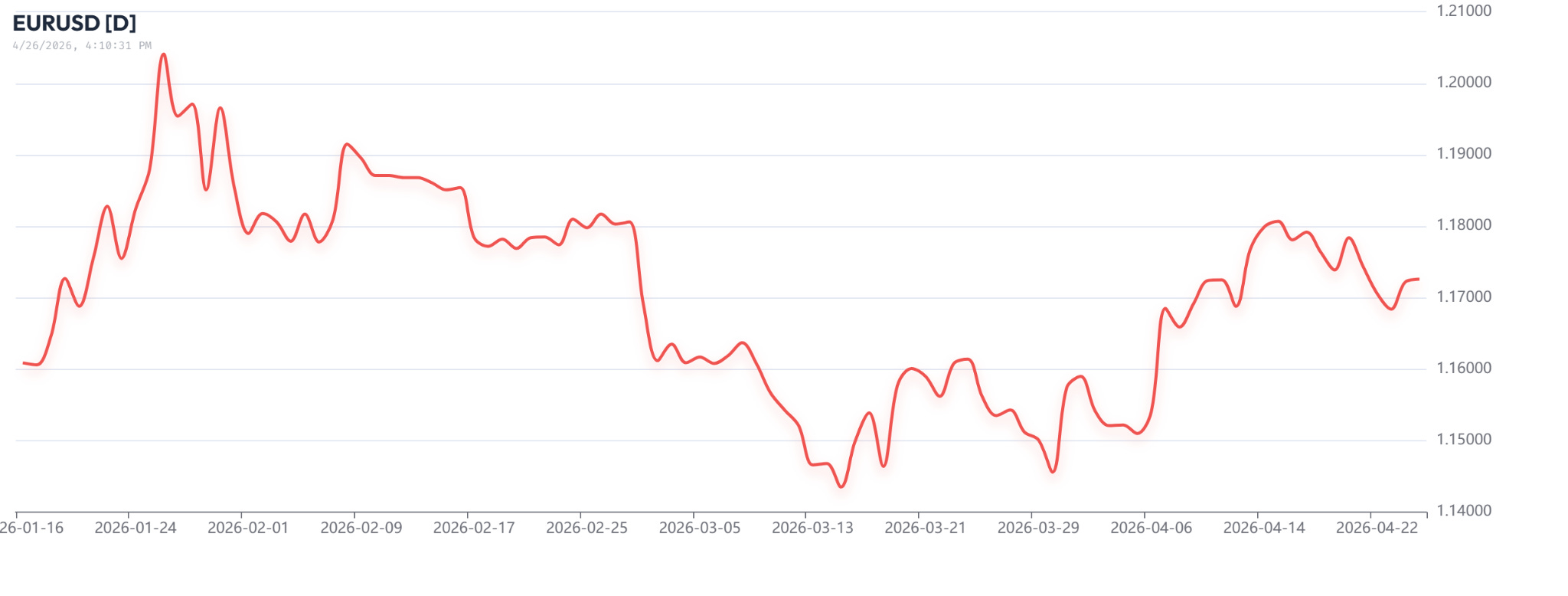
The Euro Area is currently sailing directly into a stagflationary squall. With a heavy reliance on imported energy, the bloc is exceptionally vulnerable to the Hormuz blockade, which is driving up pipeline inflation and draining the region’s current account. The European Central Bank remains cautiously anchored with a deposit rate of 2.00 percent, leaving the EUR with very little yield defence against the mounting fundamental pressures.
In stark contrast, the USD remains an impenetrable fortress. It is benefiting from a dual-engine tailwind: massive safe-haven inflows due to global war fears, and its structural status as a net energy exporter. Furthermore, the recent nomination of inflation-hawk Kevin Warsh as Federal Reserve Chair has solidified expectations that US interest rates will remain elevated near 3.75 percent for longer, widening the yield differential against Europe.
The path of least resistance is firmly lower as institutional capital abandons ship on European assets. The primary risk to monitor is any sudden diplomatic breakthrough or ceasefire in the Middle East. If the geopolitical waters suddenly calm, the dollar’s massive risk premium could quickly evaporate, sparking a sharp reversal.
POTENTIAL SELL NZD/CAD
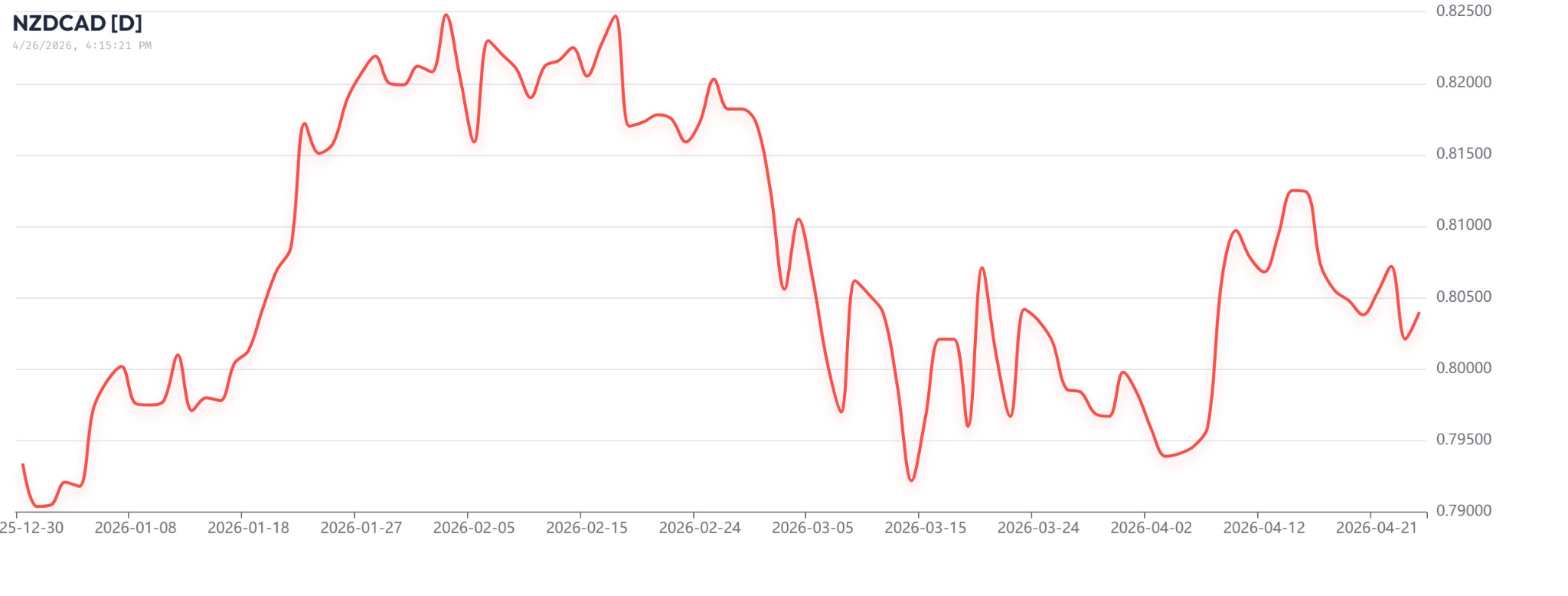
This cross perfectly pairs a vulnerable, risk-sensitive commodity currency against a heavily fortified energy exporter. The NZD is currently taking on water, battered by deteriorating global risk sentiment and rising global freight costs. As shipping lanes become more perilous, the vital profit margins of New Zealand’s dairy export sector are being squeezed. Meanwhile, the Reserve Bank of New Zealand is keeping rates anchored at 2.25 percent, offering no yield incentive for buyers to weather the storm.
Conversely, the CAD is riding a massive tailwind generated by the explosive rally in global oil prices. As a major crude exporter safely removed from the Middle East conflict, Canada’s terms of trade are improving dramatically. Adding fuel to this fundamental fire is recent CFTC positioning data, which shows speculators heavily short CAD while commercial dealers are long. This creates the perfect conditions for a violent short-squeeze higher for the Loonie.
Traders must keep a close watch on global oil inventories and blockade headlines; if the energy storm suddenly dissipates, the CAD tailwind will drop, leaving the trade vulnerable to a sudden correction.