

The US dollar is starting the week on solid footing. Steady economic numbers and clear backing from the Federal Reserve continue to support its growth.
Focus now shifts to upcoming business surveys and an important diplomatic meeting between the United States and China. At the same time, ongoing tensions around the Strait of Hormuz are keeping energy markets tight.
As central banks follow different paths on interest rates, new opportunities are opening up across various currencies.
Retrospective
The Federal Reserve Delivers and Rates Adjust
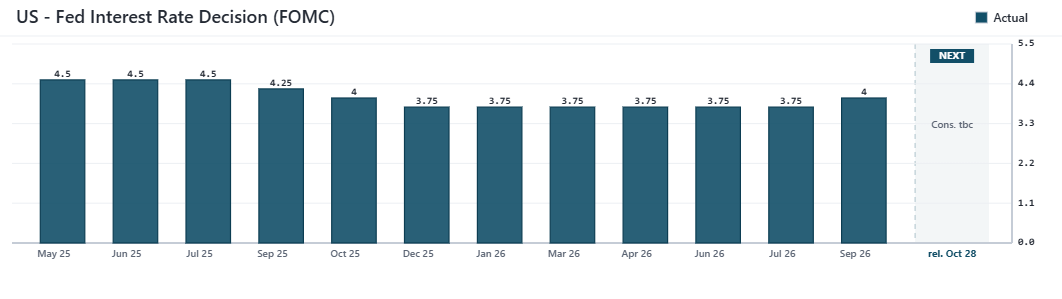
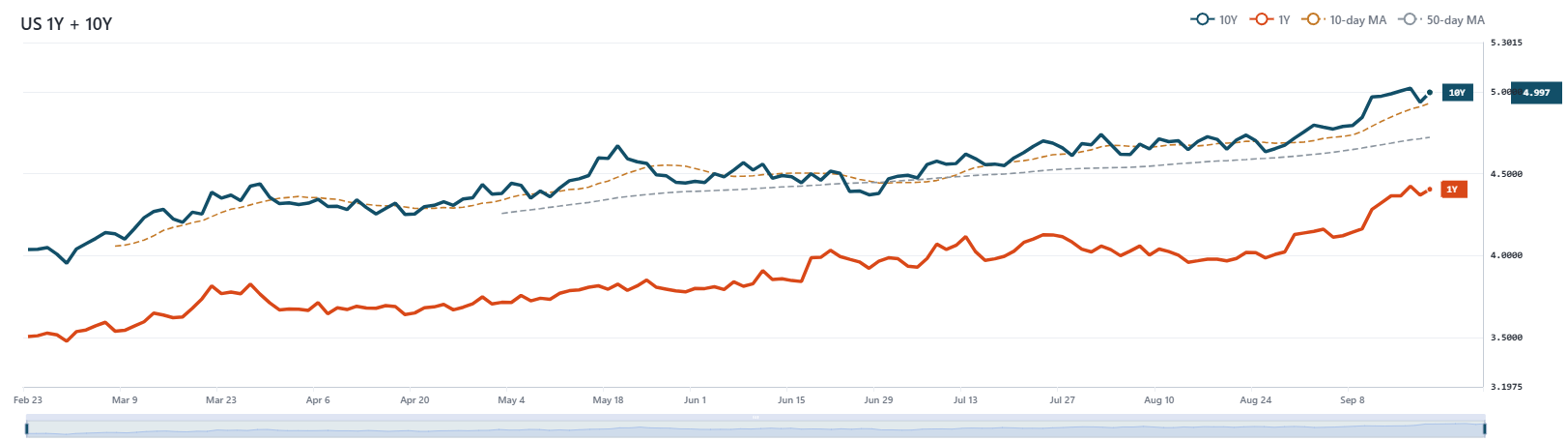
On September 16, the Federal Reserve lifted its target range by 25 basis points to 3.75%–4.00%, matching expectations. Chair Kevin Warsh struck a resolute tone, explaining that policymakers had removed a dose of accommodation to help tame persistent inflation. In response, the US 10-year Treasury yield climbed to 5.03% before moderating to 4.93% on September 17. These higher returns helped the US dollar hold firm above its 10-day moving average (99.80).
Diverging Decisions in Tokyo and London
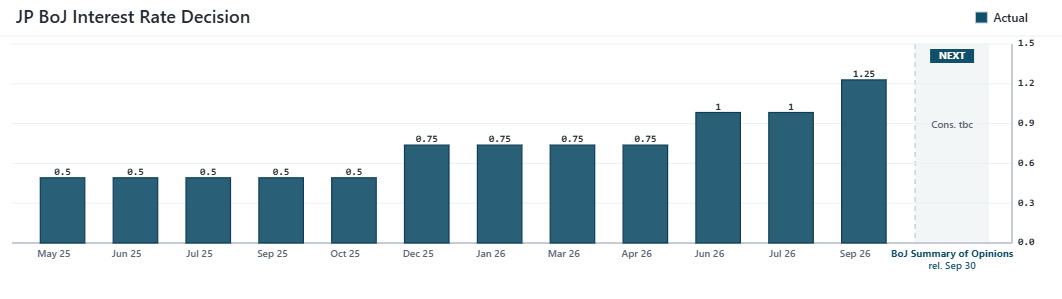
The Bank of Japan lifted its policy rate by 25 basis points to 1.25% on September 18 in a divided 7–2 vote. Governor Kazuo Ueda emphasized that borrowing costs must keep adjusting to contain price pressures from technology spending and weak currency levels. Even with this rate increase, heavy speculative long liquidation and elevated fuel import costs kept the yen under pressure.
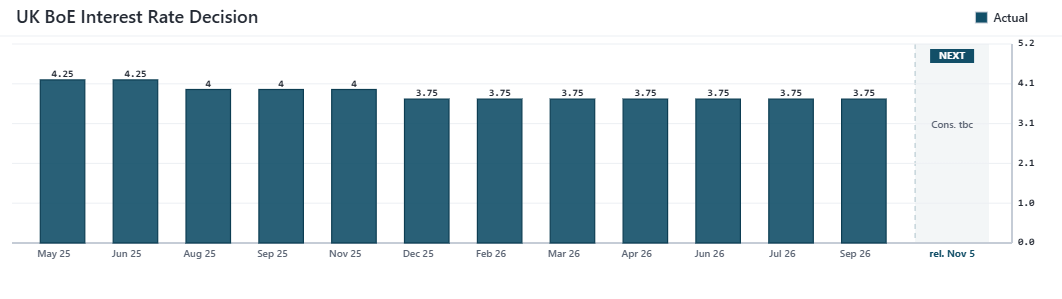
Across the Atlantic, the Bank of England held its Bank Rate at 3.75% on September 17 in a 6–3 decision. Stronger August retail sales of 0.5% month-over-month on September 18 beat forecasts, but large speculative short positions of 69,779 contracts limited sterling’s advance.
Energy Strains and Canadian Trade Friction
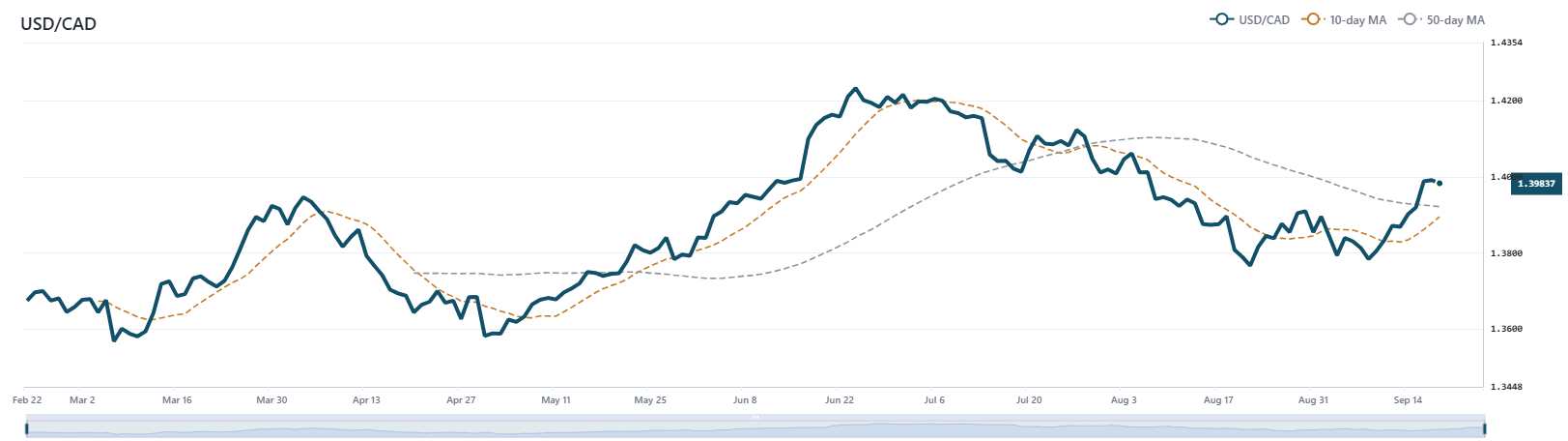
Crude oil prices showed slight easing, with Brent futures softening to $103.8 per barrel by September 18 as traders tracked the conflict between Saudi Arabia and the Houthis. Meanwhile, higher Canadian raw materials prices supported the Canadian dollar, keeping USD/CAD near its 50-day moving average (1.4030) as Canadian 10-year yields fell 7.5 basis points over five days amid ongoing trade disputes.
Outlook
The Dollar’s Command and the US-China Summit
The US dollar heads into late September with steady gains, reinforced by the Federal Reserve’s restrictive stance and a 95.6% probability that interest rates will hold steady through September 2027. Global diplomacy will take center stage on September 24 when President Trump meets President Xi in Washington. While Middle East tensions continue to keep risk appetite cautious, any constructive trade talks could gently soften the dollar’s safe-haven appeal. Currency desks can consider evaluating dollar purchases on brief pullbacks toward the 10-day moving average (99.80), while watching for signs of buyer exhaustion near the recent swing high (101.20).
European Economic Stagnation and the Swiss Franc
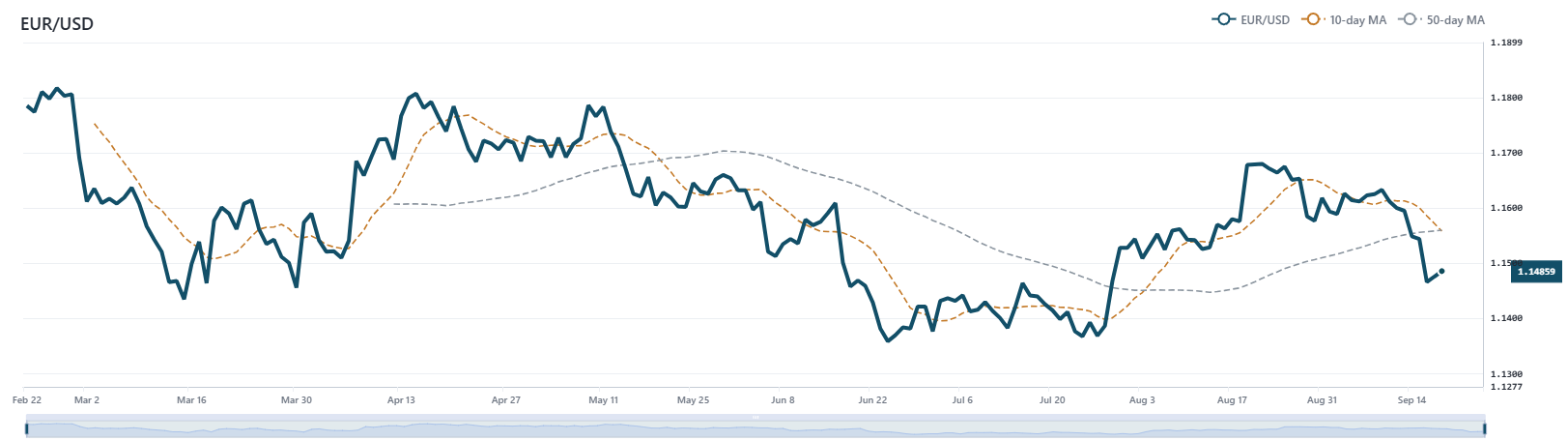
The European Central Bank faces a delicate balancing act. Interest rate markets price a mixed 54.2% chance of a rate hike in October, leaving the euro caught between higher policy rates and the weight of expensive energy imports. We look to the flash manufacturing survey on September 23, expected at 52.7, to see how factories are coping. Traders can look into potential buying opportunities if EUR/USD holds firm near its 10-day moving average (1.1500), while considering short exposure if relief rallies stall near the 50-day moving average (1.1550).
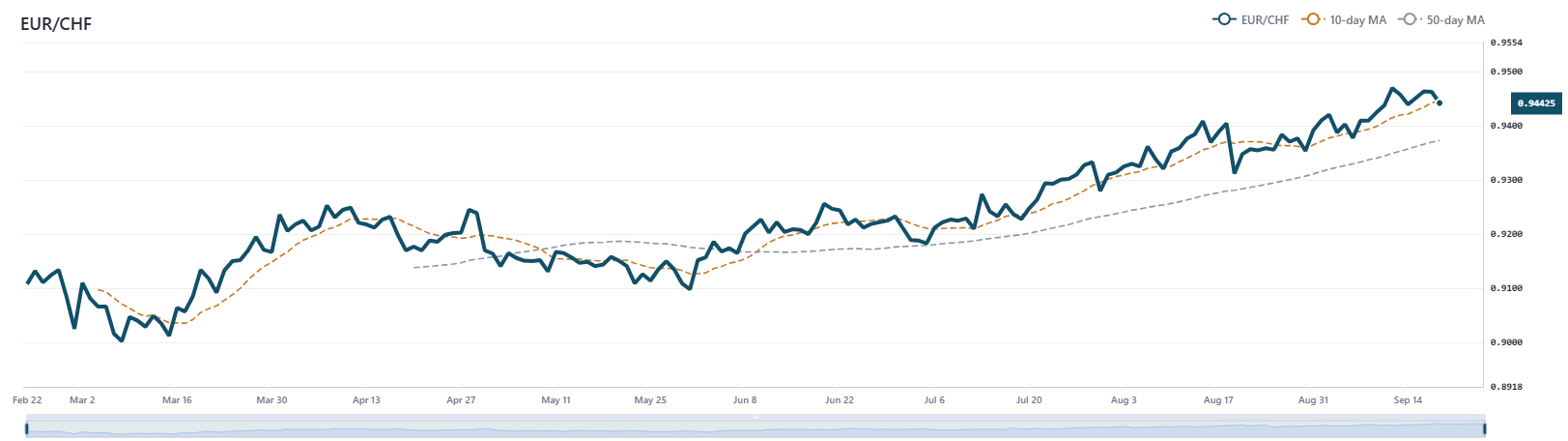
In Switzerland, the Swiss National Bank meets on September 24, with markets pricing a 97.3% probability that borrowing costs will remain unchanged at -0.039%. Heightened conflict in the Middle East provided an early haven lift to the franc, but this advantage will likely ease as yield gaps widen. Desks might evaluate fading franc strength if EUR/CHF tests support at its 50-day moving average (0.9350), or look for dollar selling interest if USD/CHF approaches resistance near 0.8250.
Antipodean Labor Tests and Policy Expectations
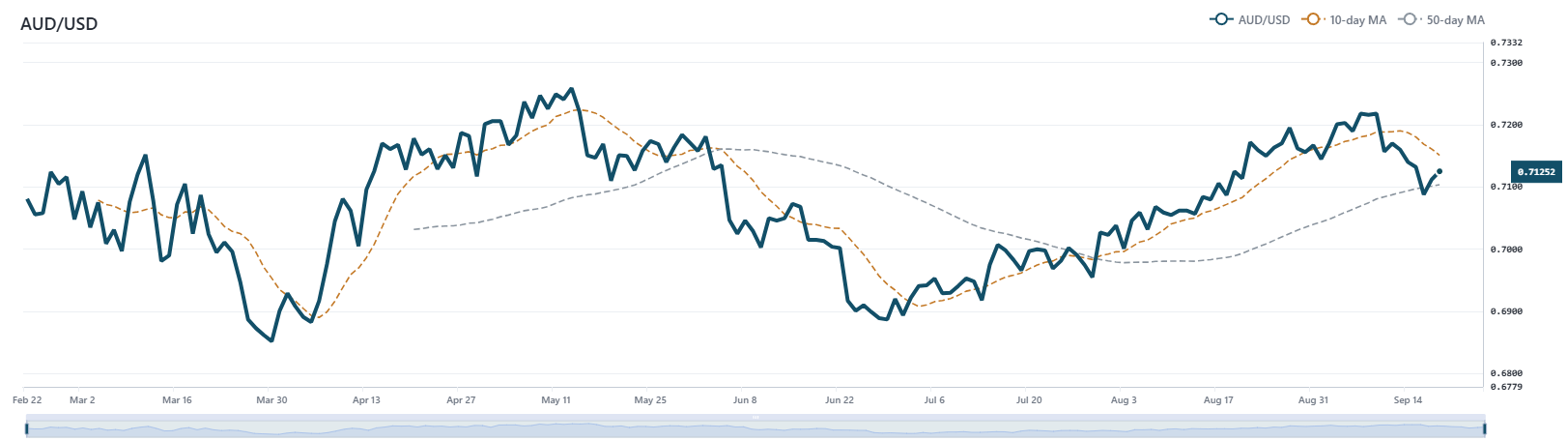
The Australian dollar faces an important domestic milestone on September 24 with the August employment report, where forecasts look for 20,000 new jobs and a steady 4.5% unemployment rate. This data will shape expectations for the Reserve Bank of Australia’s September 29 meeting, where a 25-basis-point hike is already 86.9% priced. Softer economic indicators and regional trade frictions continue to restrain the currency. Desks can think about assessing AUD/USD longs near psychological support at 0.7000 if employment beats expectations, while monitoring for downside pressure if the pair fails to clear its 10-day moving average (0.7100).
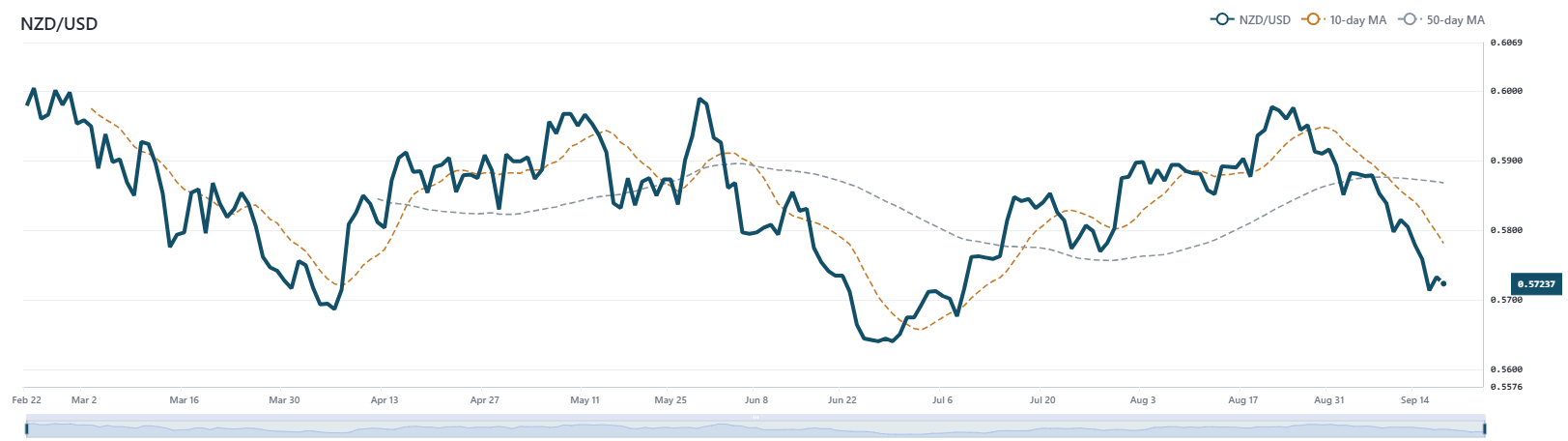
The New Zealand dollar faces similar dynamics. Rising domestic bond yields—with 10-year rates up 21.4 basis points over three weeks—compete with general risk aversion. With markets pricing a 57.9% probability of an October rate increase, traders can consider evaluating long positions on dips toward the 10-day moving average (0.5730), while watching for selling interest near the 50-day moving average (0.5870) if geopolitical headlines worsen.
Navigating the Yen’s Volatility
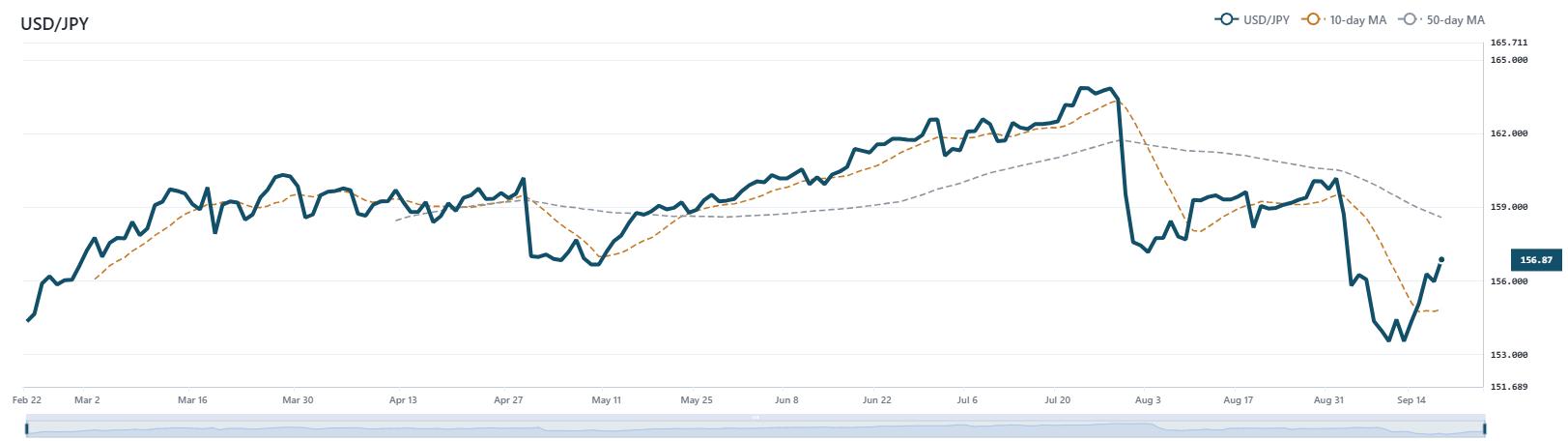
The Japanese yen remains sensitive to global bond yields and fuel import costs tied to Persian Gulf shipping disruptions. While the Bank of Japan’s recent rate increase provides policy backing, unwinding speculative positions may keep the currency under pressure before it stabilizes. Desks can monitor USD/JPY for signs of exhaustion near 157.50, and explore buying the yen if spot moves back toward its 50-day moving average (154.50).
Fundamental Analysis pages to bookmark…
DISCLAIMER: This site is informational only, NOT financial advice. Trading involves risk, and you could lose money.