

The final week of September was a clear reminder of how fast financial markets can move. Steady interest rate decisions in the United States and delicate international talks around the Strait of Hormuz gave currency traders plenty to think about.
Even though oil prices have settled down for now, worries about rising living costs remain. As we move into October, we are watching a busy schedule of central bank decisions, European inflation reports, and new American job numbers to help manage our risks carefully.
Strong U.S. Economy and Yields
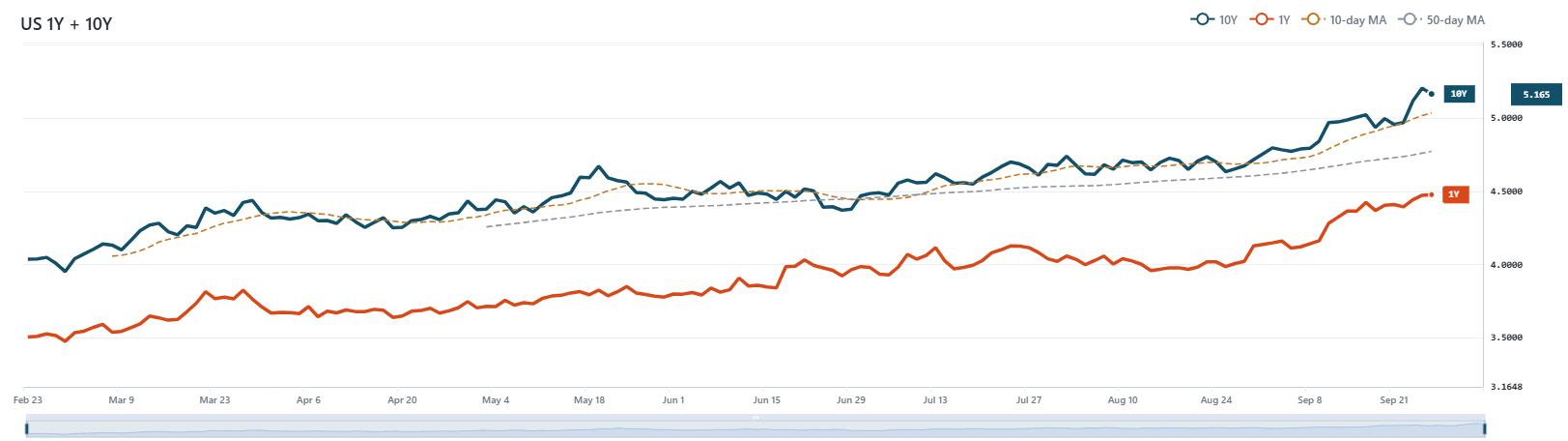
Last week, the U.S. economy showed strong resilience when its business activity index (Flash Composite PMI) hit 58.4, beating expectations. Following a recent interest rate hike that pushed rates up to 4.00%, borrowing costs stayed high. This pushed the 10-year Treasury yield up to 5.2%, making U.S. investments attractive and keeping the U.S. dollar strong.
Geopolitical Stability and Safe Havens
Washington and China extended their trade truce until January 10, 2027, protecting global supply chains. Meanwhile, mediation helped ease tensions in the Strait of Hormuz, causing oil prices to drop below $100 a barrel. However, ongoing security concerns in Saudi Arabia kept safe-haven demand alive. This helped the Swiss franc stay firm, supported by a healthy 1.5% economic growth rate and steady interest rates in Switzerland.
Mixed Performance Across Major Currencies
Japanese Yen: The Bank of Japan raised its interest rate to 1.25% on September 18, but heavy selling by speculators kept the yen mostly neutral.
Euro: Even though Eurozone business activity improved, the euro faced downward pressure, with the EUR/USD exchange rate testing a low of 1.136.
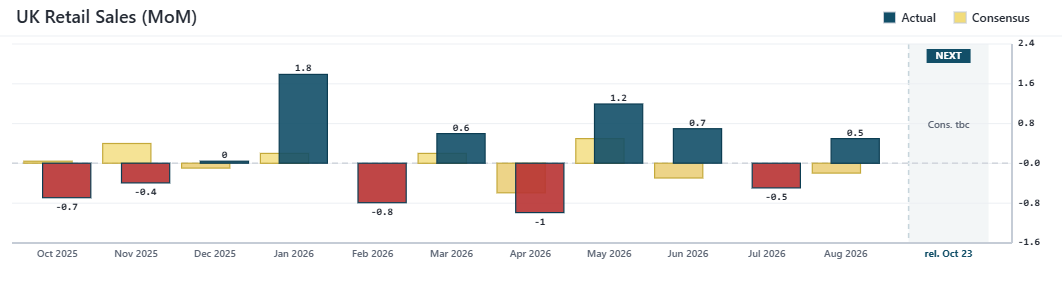
British Pound: Strong retail sales figures (up 0.5%) boosted market expectations for a November rate hike by the Bank of England, keeping the pound steady and buoyant.
Outlook for the Week Ahead
The U.S. Dollar
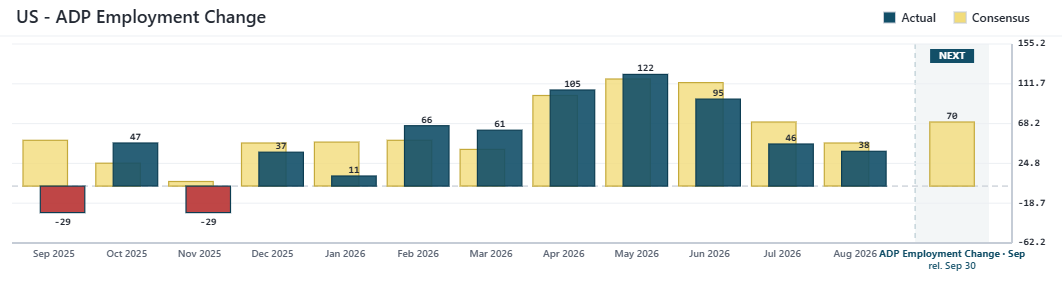
The U.S. dollar starts the week in a strong position, driven by a high probability that the Federal Reserve will raise interest rates by another quarter-point at its October 28 meeting. Evaluate buying the dollar on dips. However, the biggest test will be the U.S. ADP Employment report on September 30. If job growth falls sharply and disrupts expectations for tighter monetary policy, the dollar’s upward trend could break.
The Euro
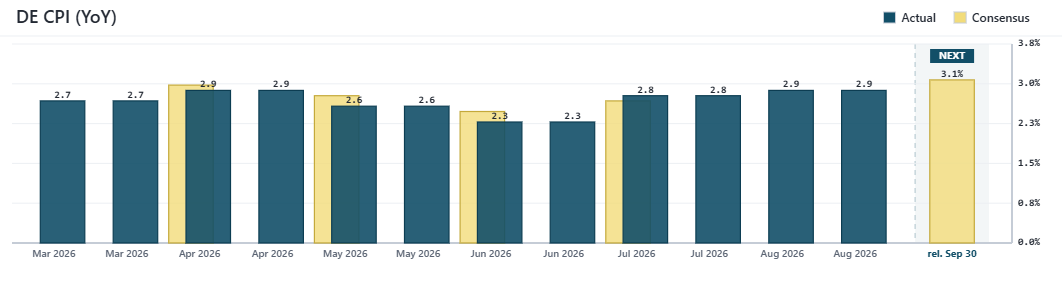
The euro remains relatively neutral as uncertainty surrounding energy supplies weighs on the single currency. Markets currently price in a 52.1% chance of an European Central Bank rate hike on October 29. Key attention turns to the German CPI report on September 30; a low inflation reading that solidifies an ECB pause would interrupt the euro’s recent momentum. If regional prices stay high, consider dip-buying opportunities near the EUR/USD swing low of 1.137.
The British Pound
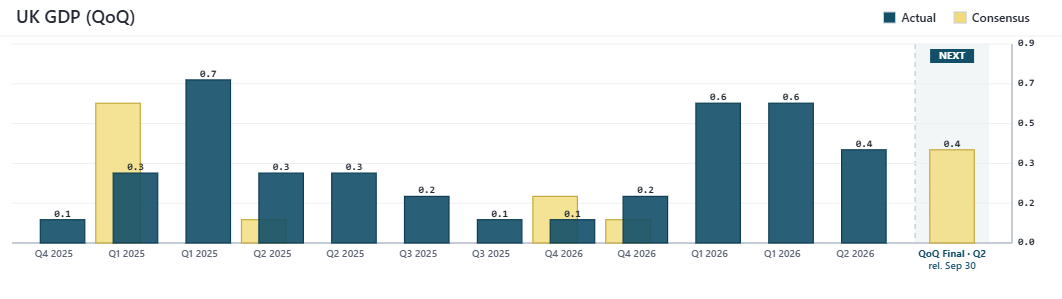
The British pound is holding up fairly well, supported by short-covering and high expectations for a Bank of England rate hike. The next major checkpoint is the UK GDP release next week. I am approaching long pound positions carefully, as any unexpected economic contraction could derail future rate expectations and break the currency’s steady path. Reliable technical support sits near the GBP/USD swing low of 1.320.
The Antipodeans
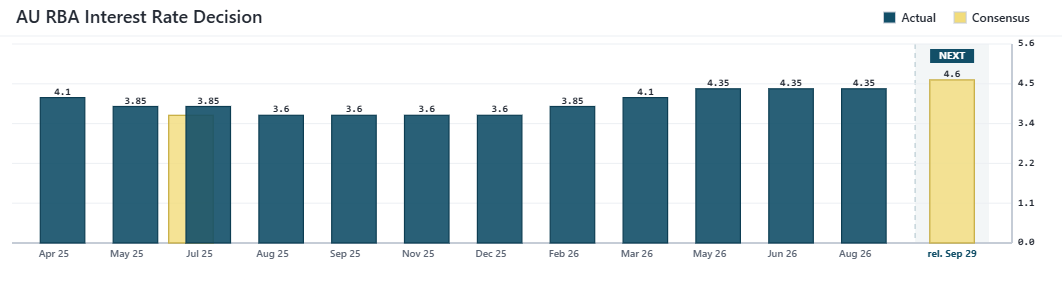
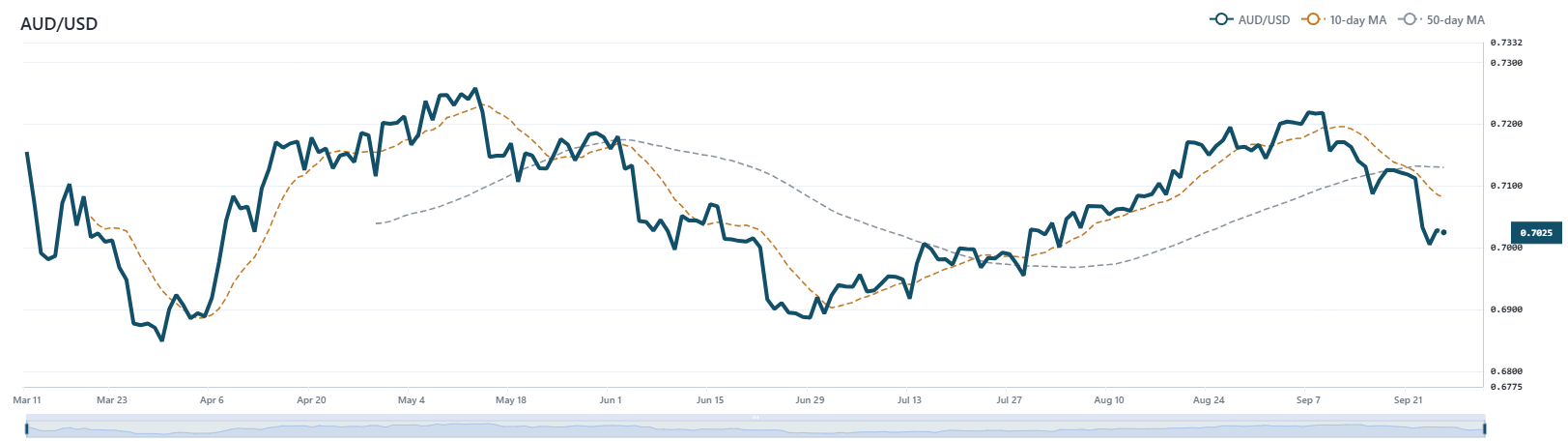
Australian Dollar: The Aussie sits in neutral ahead of the Reserve Bank of Australia’s rate decision on September 29, where markets expect a 25-basis-point hike. While local 10-year yields are high at 5.37%, broader caution has kept gains limited. A surprise pause instead of the anticipated hike would break the recovery and expose the recent low of 0.700.
New Zealand Dollar: The kiwi also remains neutral. Although local yields have risen, speculative selling keeps the currency under pressure ahead of the RBNZ review on October 28. An unexpected shift away from a rate hike would break its firming path and leave the NZD/USD exposed to its recent low of 0.565.
The Canadian Dollar and Japanese Yen
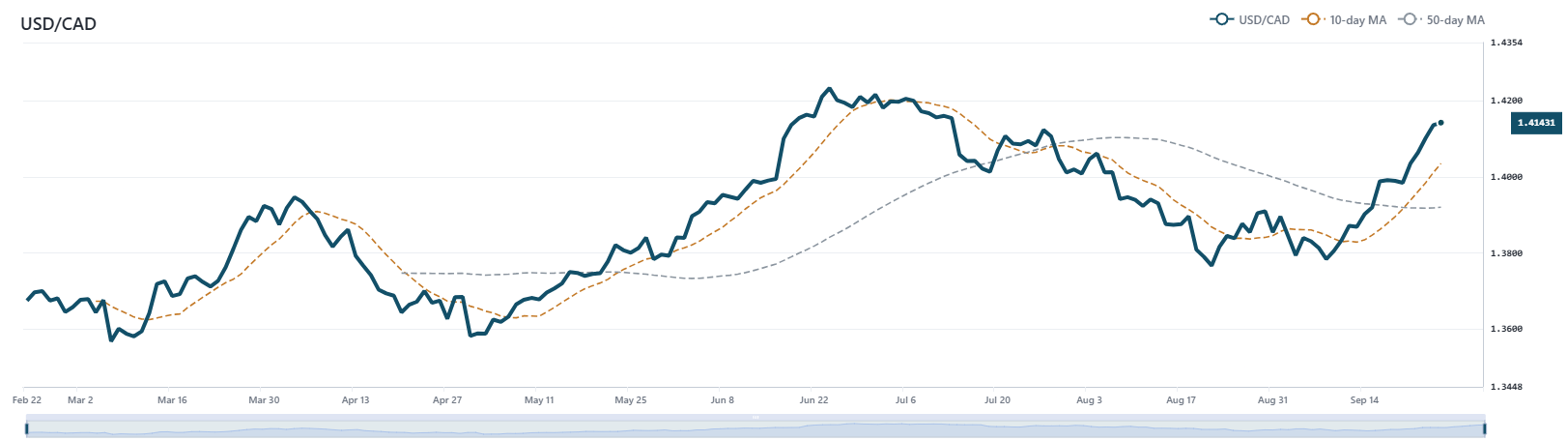
Canadian Dollar: The loonie carries a slightly weak bias due to high net-short speculative positions. While markets price in a 55% probability of an October 28 rate hike, traders are eyeing the Canadian Unemployment Rate report on October 9. A sharp jump in joblessness would cement a dovish stance, keeping USD/CAD pointed toward its recent high of 1.415.
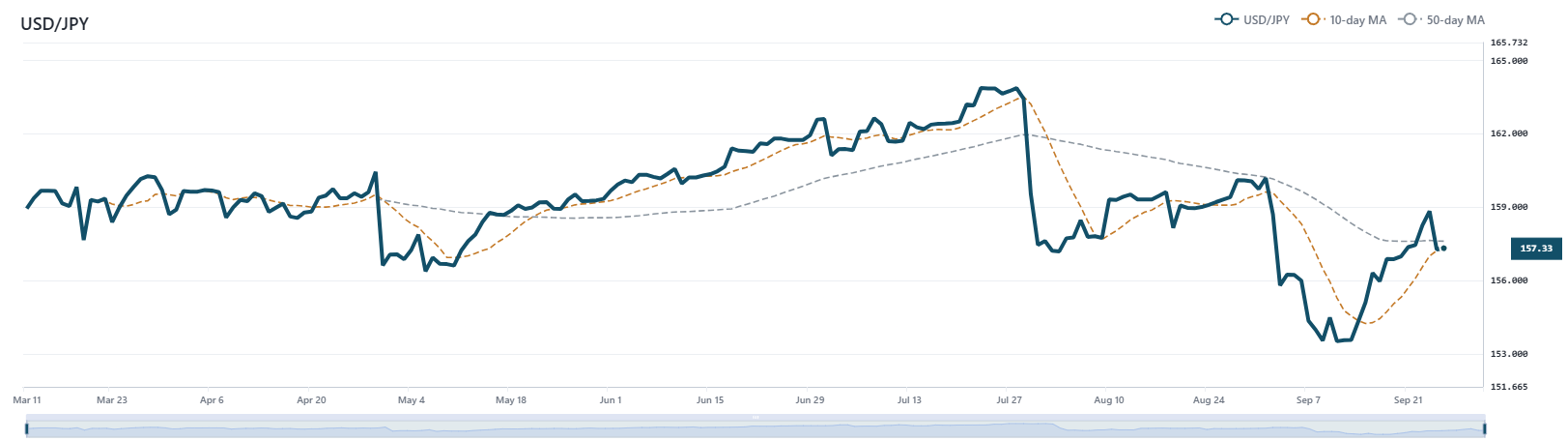
Japanese Yen: The yen remains neutral as markets weigh rising domestic interest rates against strong U.S. Treasury yields. The Tokyo CPI release on September 29 will provide the next big clue; a surprisingly soft core inflation reading would break its quiet range and keep USD/JPY supported near its recent high of 159.0.
Fundamental Analysis pages to bookmark…
DISCLAIMER: This site is informational only, NOT financial advice. Trading involves risk, and you could lose money.