

The fourth quarter opened against a backdrop of familiar anxieties: geopolitical friction along the Strait of Hormuz and stubborn energy costs. Yet a surprisingly weak US employment report delivered a sharp reality check, tempering expectations for Federal Reserve tightening and capping the dollar’s steady ascent.
As we navigate the second week of October, the central question is how markets will weigh Middle Eastern turbulence against an increasingly hesitant central bank posture, all while sovereign yields remain fragile across major capitals.
September Retrospective
Energy Friction and Yield Pressures
As October opened, global markets found themselves caught between simmering geopolitical strife and a cooling economic cycle. Lingering friction in the Strait of Hormuz maintained upward pressure on crude oil, keeping energy import costs uncomfortably high across major economies.
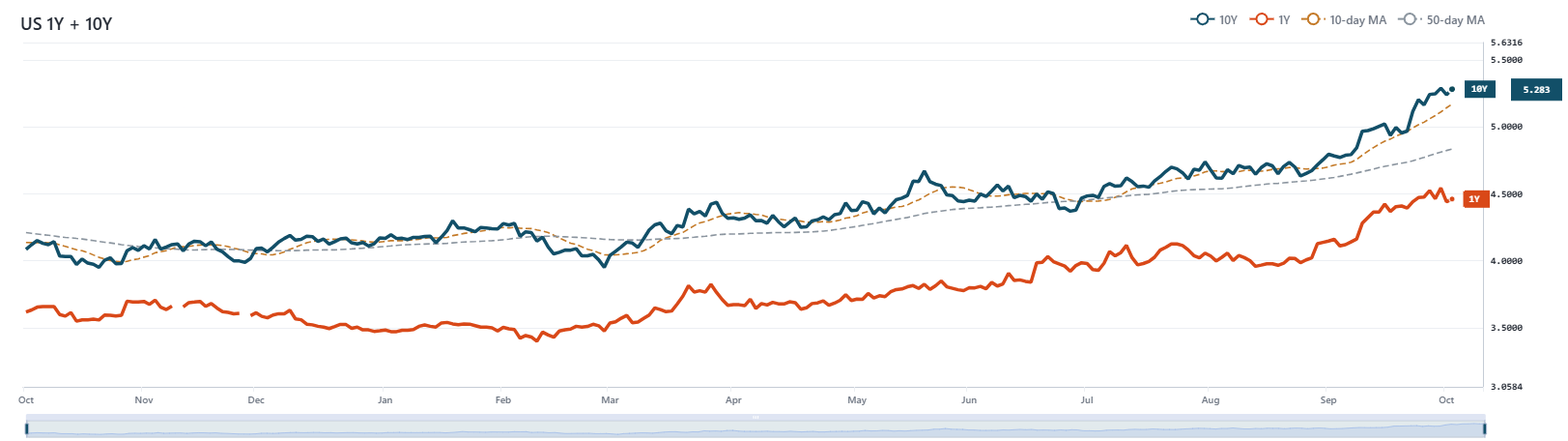
This commodity strain coincided with lingering effects from the Federal Reserve’s September rate decision, which pushed benchmark borrowing costs into the 3.75%–4.00% range and propelled the 10-year US Treasury yield toward 5.28% by early October.
An American Labour Softening
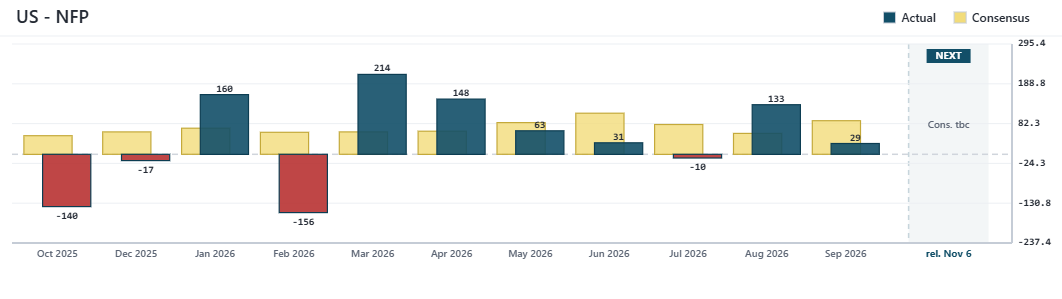
That dollar momentum faced a sudden check on October 2. Non-Farm Payrolls expanded by a meagre 29,000 for September—well short of the 90,000 consensus—while prior months suffered downward revisions and monthly wage growth cooled to 0.1%.
Interest-rate futures adjusted swiftly, pricing in a 74% likelihood that the Fed will pause its tightening cycle on October 28. Even so, broader risk aversion ensured the greenback retained a resilient underlying tone.
Fiscal Strains and Rate Divergence in Europe and Asia
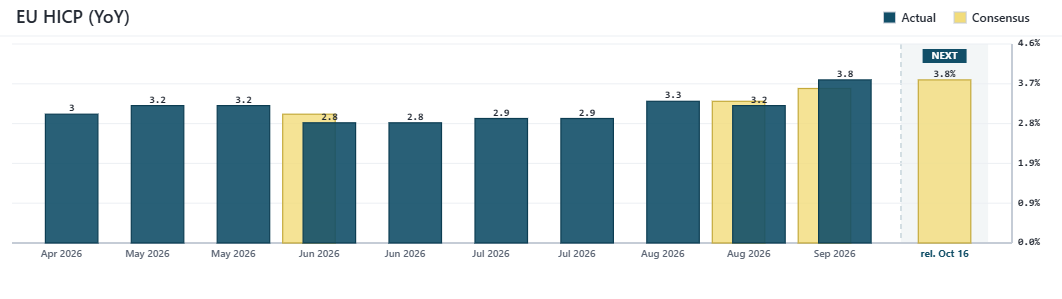
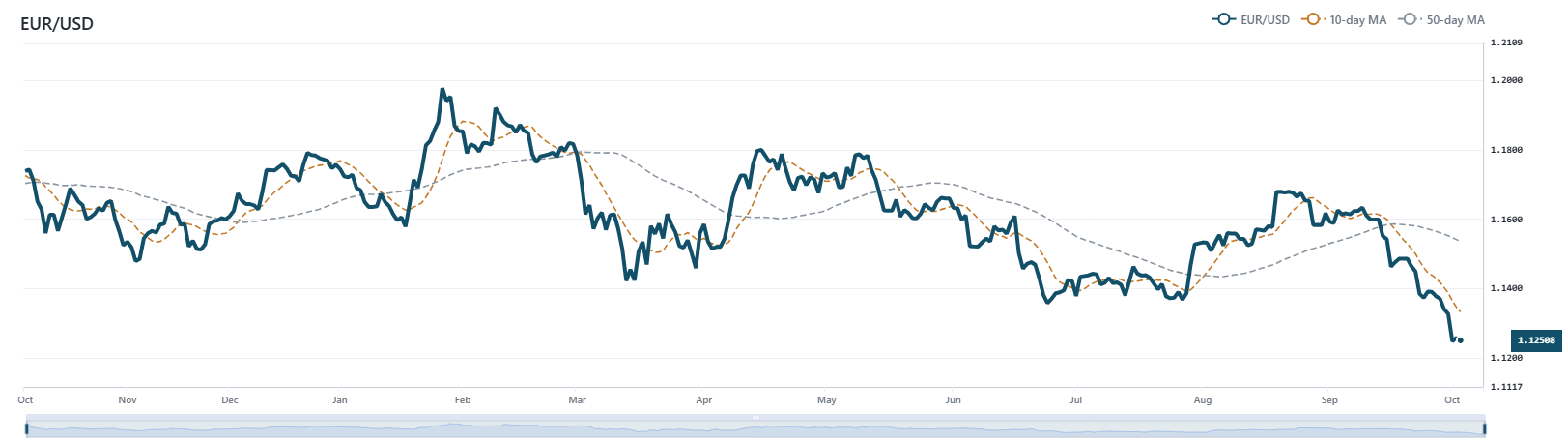
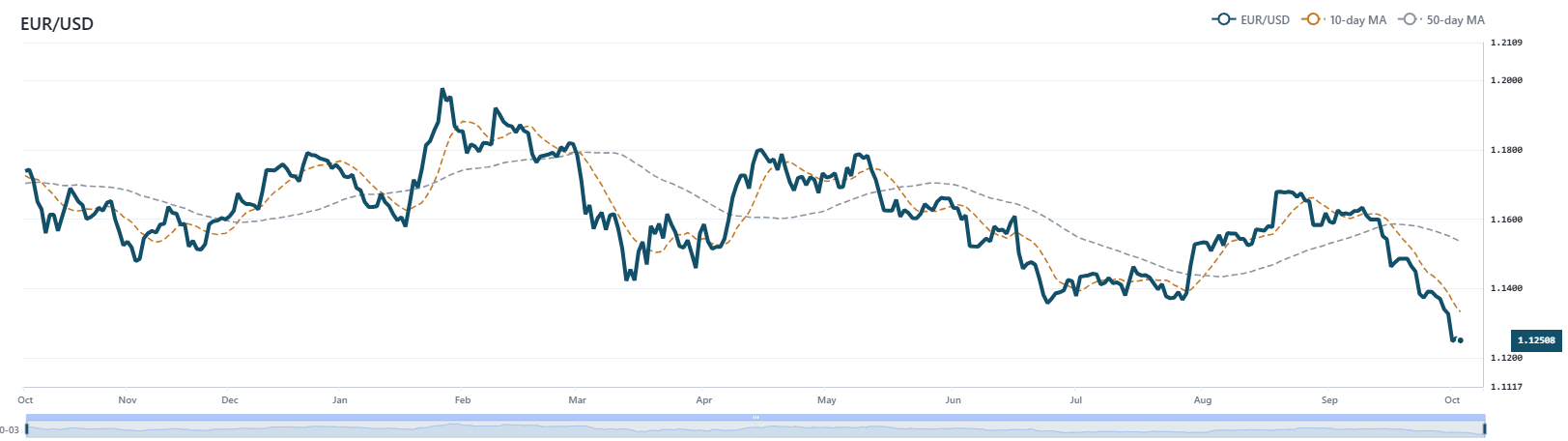
European markets contended with domestic vulnerabilities alongside inflation pressures. In France, escalating fiscal and political arguments widened sovereign yield spreads across the continent. Although headline Eurozone inflation ticked up to 3.8% year-over-year in early October, the euro drifted lower to 1.126 against the dollar.
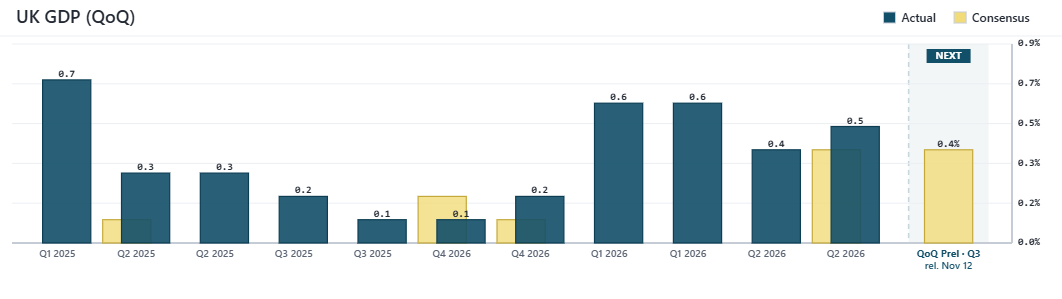
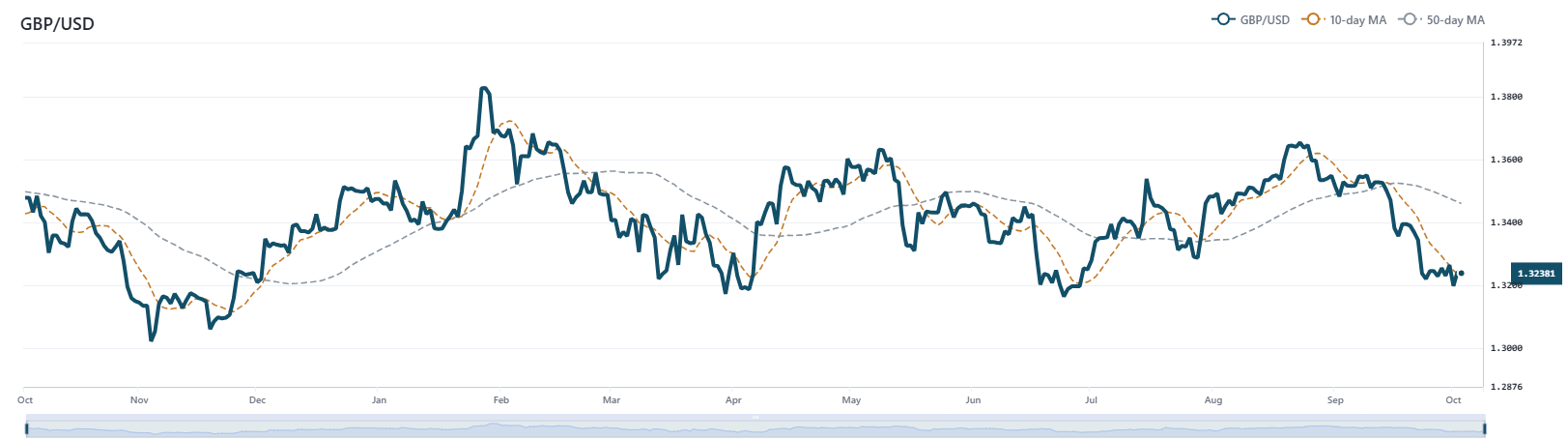
Across the Channel, sterling proved more durable. Upward revisions to second-quarter British GDP showed a 0.5% expansion, offering the pound enough support to hold near 1.324 against the greenback.
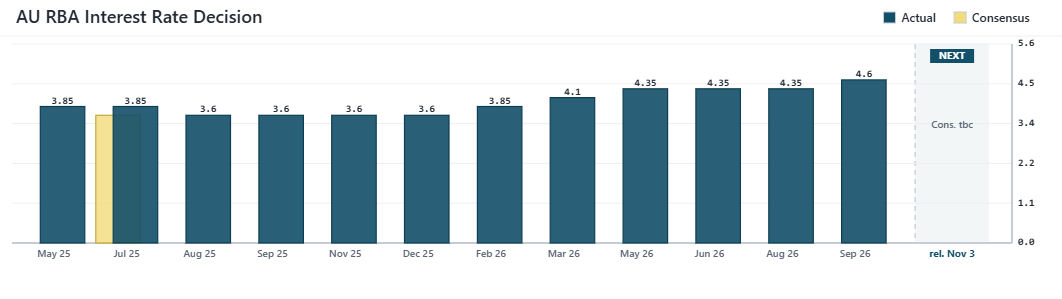
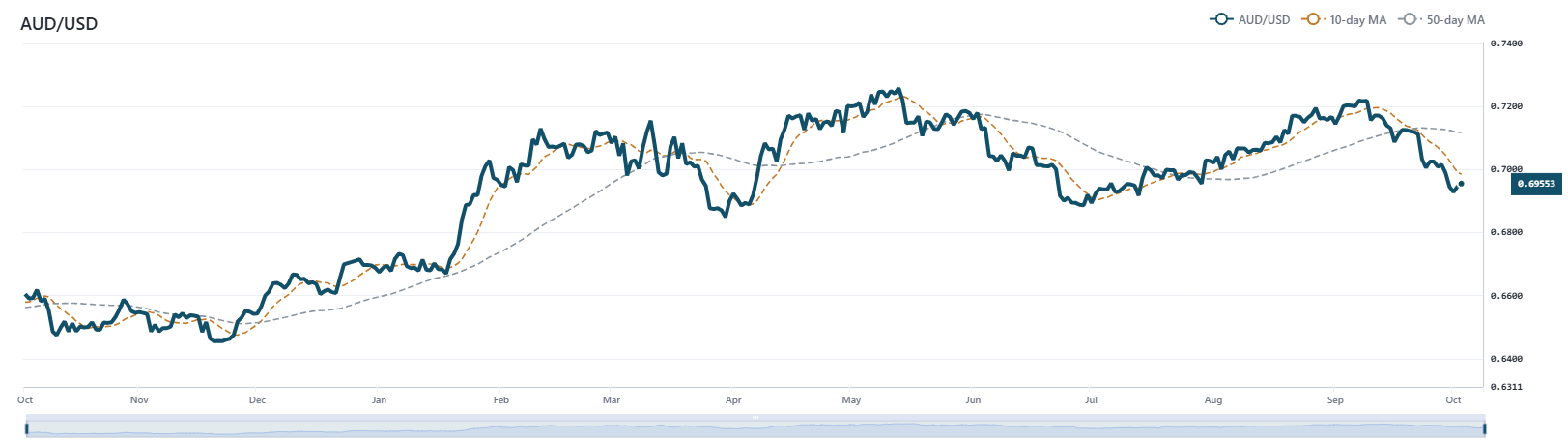
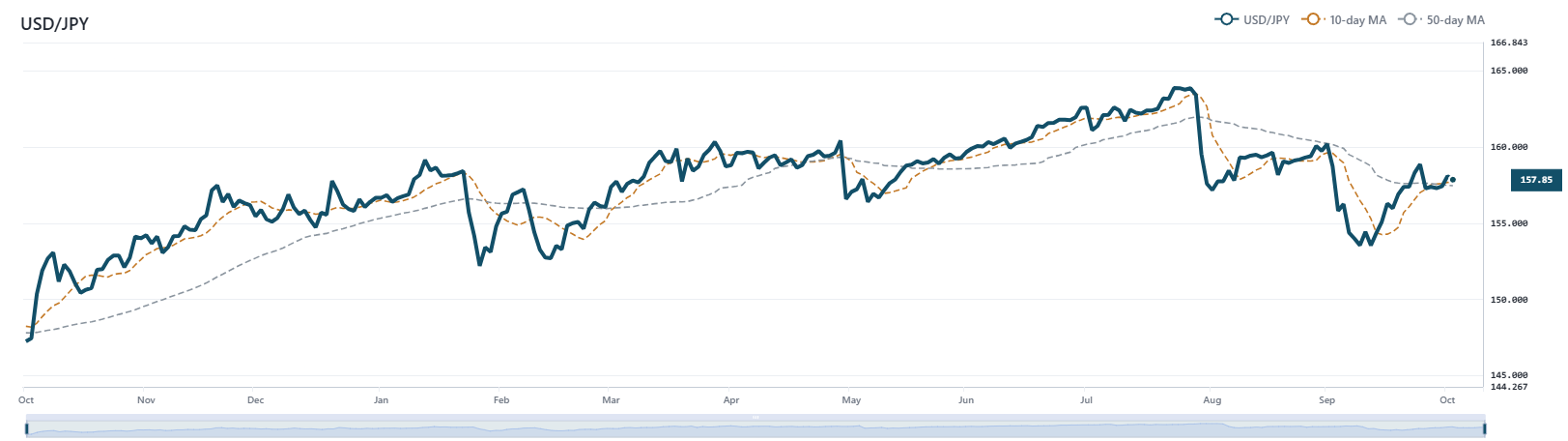
In the Asia-Pacific region, monetary paths diverged. The Reserve Bank of Australia raised its cash rate by 25 basis points to a 15-year high of 4.60% on September 29, though the Aussie dollar ultimately sagged toward 0.695. Meanwhile, despite Tokyo core inflation reaching 2.7%, cautious messaging from Japanese authorities kept USD/JPY tethered near 157.8.
Upcoming Week
The Dollar’s Measured Path
The US dollar enters the second week of October maintaining a slightly strong, hold-then-firm posture. With interest-rate markets assigning a 74% probability to an October 28 Federal Open Market Committee pause, desk attention turns immediately to the ISM Services PMI due October 5. A reading that confirms domestic economic resilience could reignite the dollar’s yield advantage over European peers.
European Dilemmas and Sterling Fortitude
The euro faces a slightly weak, fade-then-firm trajectory. Lingering sovereign debt anxieties in Paris and the burden of expensive imported energy continue to weigh on the common currency. With markets pricing an 84.9% probability of an ECB pause on October 29, the Eurozone retail sales release on October 6 serves as the next trial; another subdued figure could reinforce bearish sentiment. Evaluate short euro setups if EUR/USD fails to overcome near-term resistance around its October 2 close of 1.126.
The British pound, by contrast, shows a slightly strong, hold-then-firm posture. Swaps price a 76.8% probability of a 25-basis-point Bank of England rate rise on November 5. Watch for dip-buying interest on retracements toward the 1.32 area, as persistent domestic inflation concerns keep gilt yields supportive.
Shifts Across the Resource Economies
The Australian dollar remains neutral along a fade-then-firm path. Following the RBA’s rate increase to 4.60% in late September, swaps price had a 70.3% probability of a pause on November 3. Without a fresh catalyst, monitor AUD/USD near its October 2 close of 0.695, awaiting the October 15 employment figures to establish the next directional break.
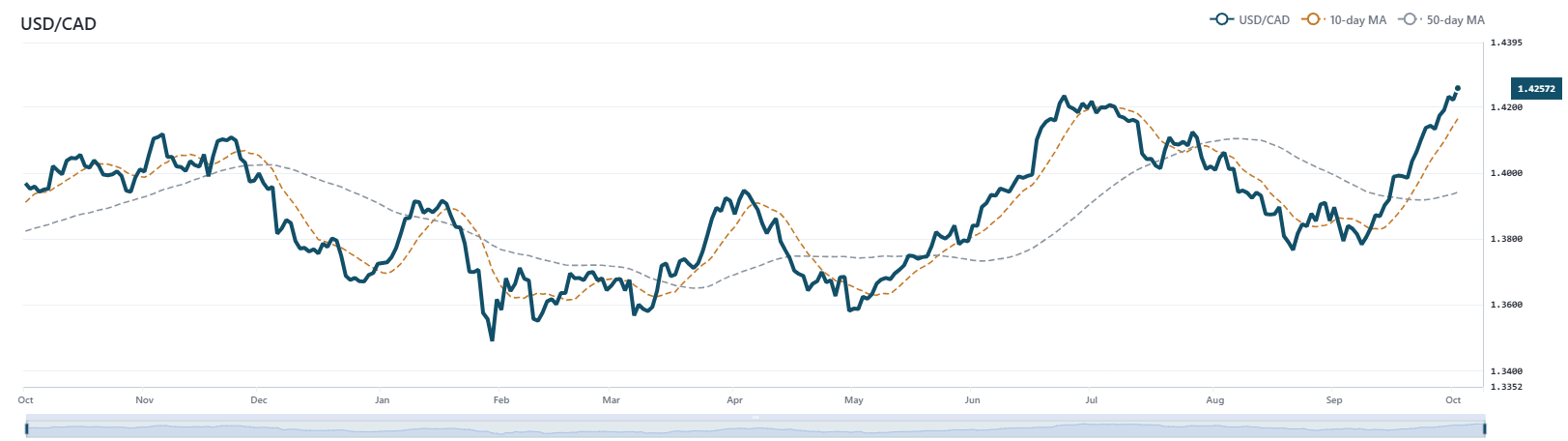
The Canadian dollar retains a neutral, dip-then-recover profile. Although elevated crude prices offer modest underlying support, the currency is held back by subdued domestic growth and substantial speculative net-short exposure of 90,039 contracts. The Canadian jobs report on October 9 represents a key crossroad; an unemployment rate printing above the 6.5% forecast could solidify a 65.1% probability of a Bank of Canada rate hold on October 28. Evaluate short Canadian dollar setups against firmer peers near the October 2 close of 1.425 on USD/CAD.
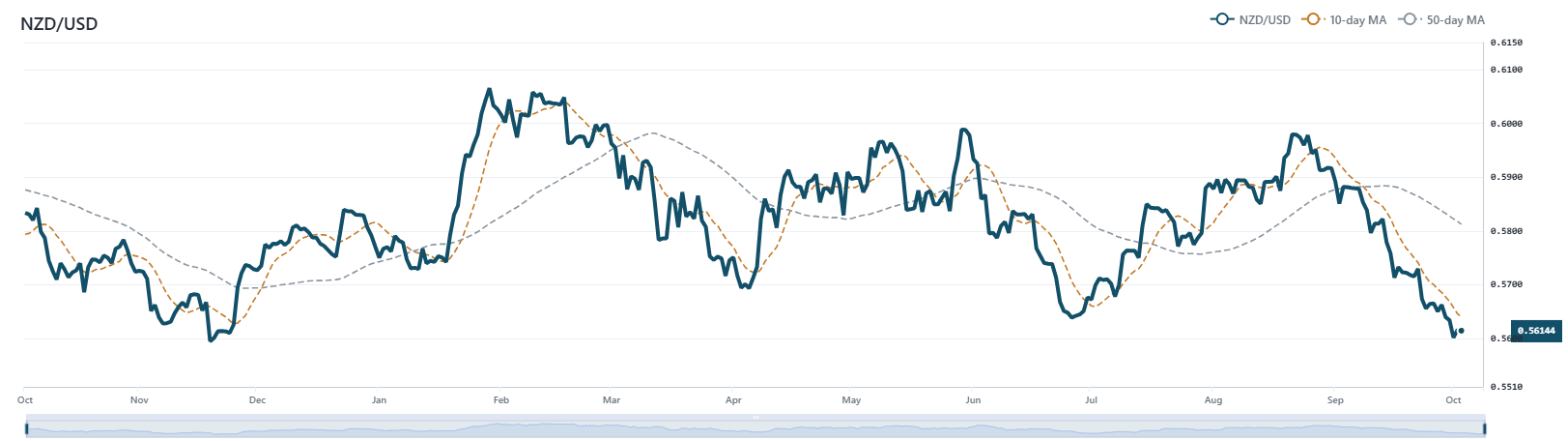
Meanwhile, the New Zealand dollar preserves a neutral, range-then-drift path. With markets split between a rate hike (56.2%) and a hold (43.8%) ahead of the October 28 RBNZ decision, monitor NZD/USD near its October 2 close of 0.5615.
Calm and Caution in Safe Havens
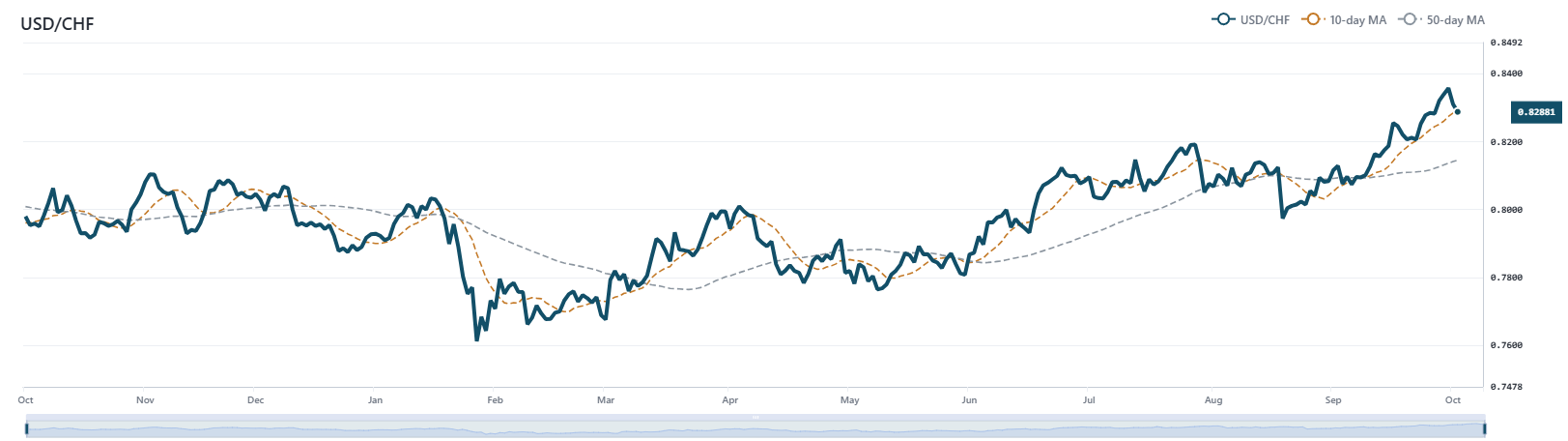
Safe-haven currencies remain closely tethered to global headline risk. The Swiss franc displays a neutral, range-then-drift outlook, buoyed by European fiscal unease and an 85.1% probability that the Swiss National Bank maintains a 0.00% policy rate on December 10. The franc trades near its 10-day moving average, with USD/CHF steady near 0.829.
The Japanese yen also maintains a neutral stance. With the Bank of Japan priced at an 85.7% probability of holding rates at 1.25% on October 30, the currency is expected to remain range-bound. Watch for resistance near the 157.8 mark on USD/JPY, balancing elevated domestic inflation prints against the wider US-Japan rate differential.
Fundamental Analysis pages to bookmark…
DISCLAIMER: This site is informational only, NOT financial advice. Trading involves risk, and you could lose money.