

Retrospective
A combustible combination of Middle East escalation, tech equity liquidations, and acute European sovereign debt strain set the tone for global currency markets this past week. Flash purchasing managers’ indexes revealed a widening macroeconomic divide, as UK business activity accelerated while Eurozone growth slumped to a four-month low. As October draws to a close, currency desks must navigate four major central bank rate decisions —the Federal Reserve, Bank of Canada, European Central Bank, and Bank of Japan. Survival across the coming sessions will hinge on central bank forward guidance, Australian third-quarter inflation prints, and Chancellor John Healey’s pivotal Autumn Budget.
Near-Term Outlook
The US dollar enters late October in a holding pattern, as safe-haven demand battles lower Treasury yields following an equity rotation out of high-capex artificial intelligence names. The benchmark 10-year Treasury yield dropped to 5.00% on Friday after briefly breaching multi-week lows near 4.96%.
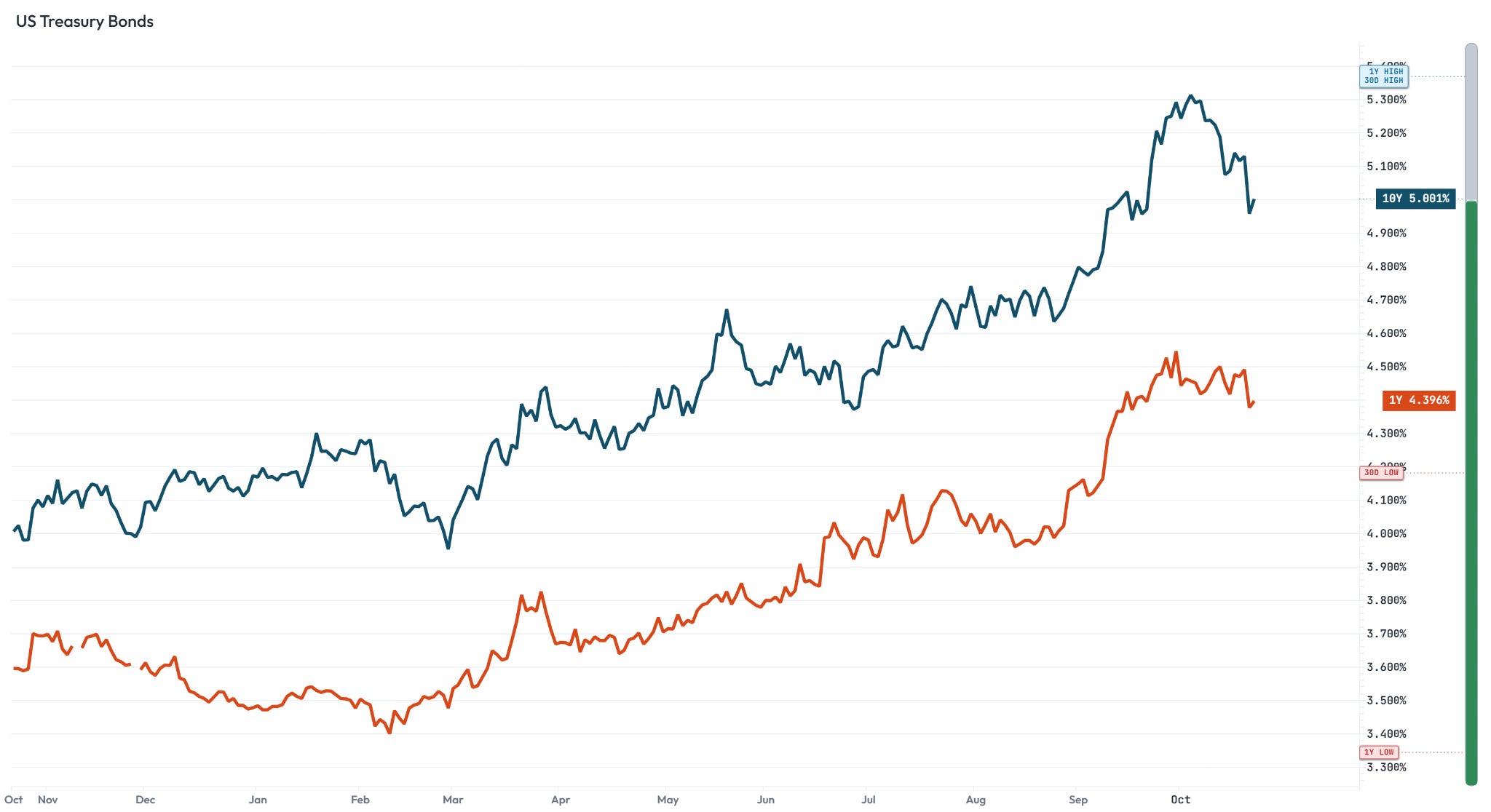
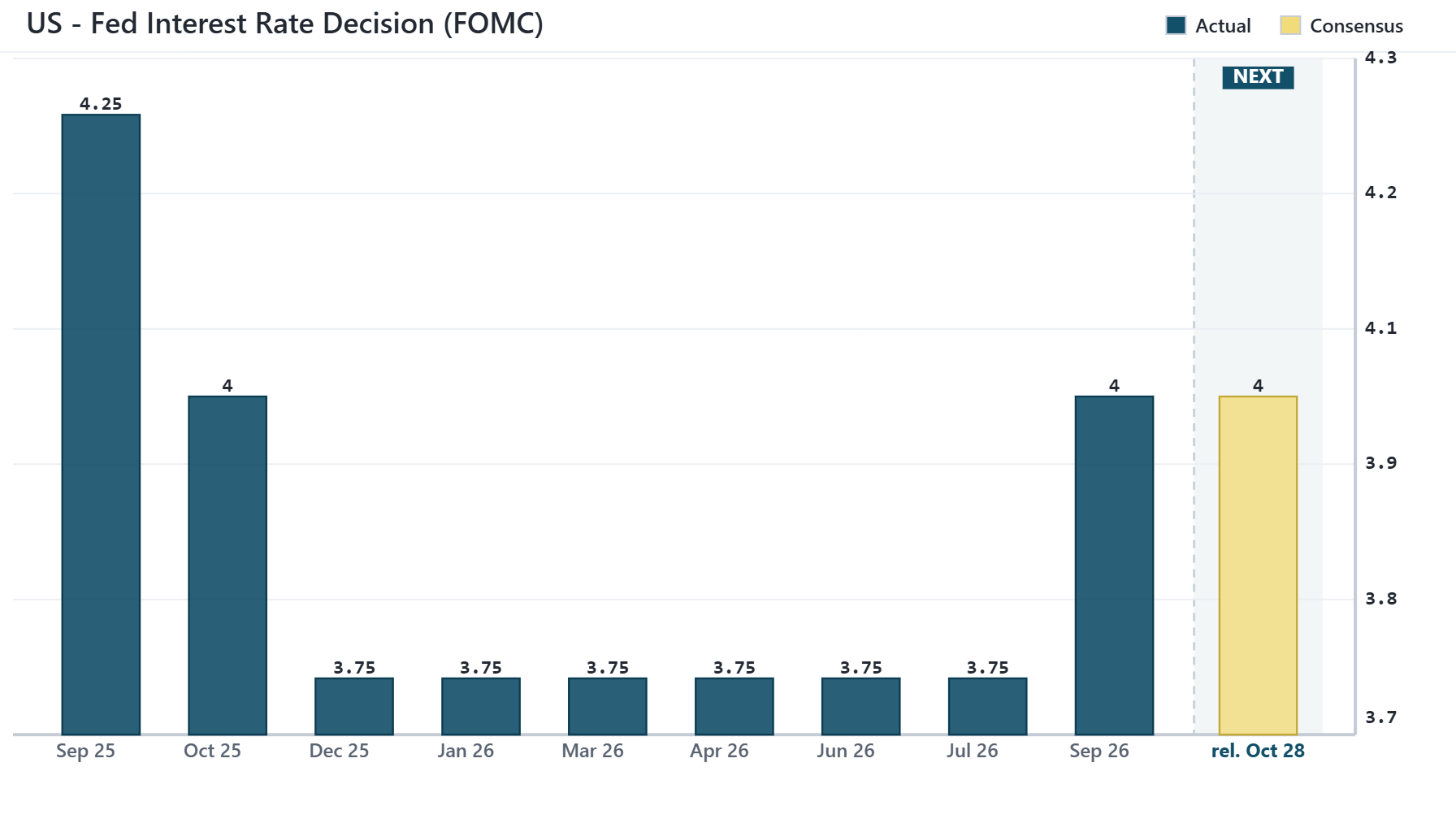
Bloomberg interest rate futures imply a 91.7% probability that the Federal Reserve holds its benchmark target range steady at 3.75%–4.00% on October 28. Traders should evaluate long dollar setups on shallow pullbacks only if Chair Kevin Warsh reinforces a December hike, with topside progress restrained by an overbought speculative futures positioning.
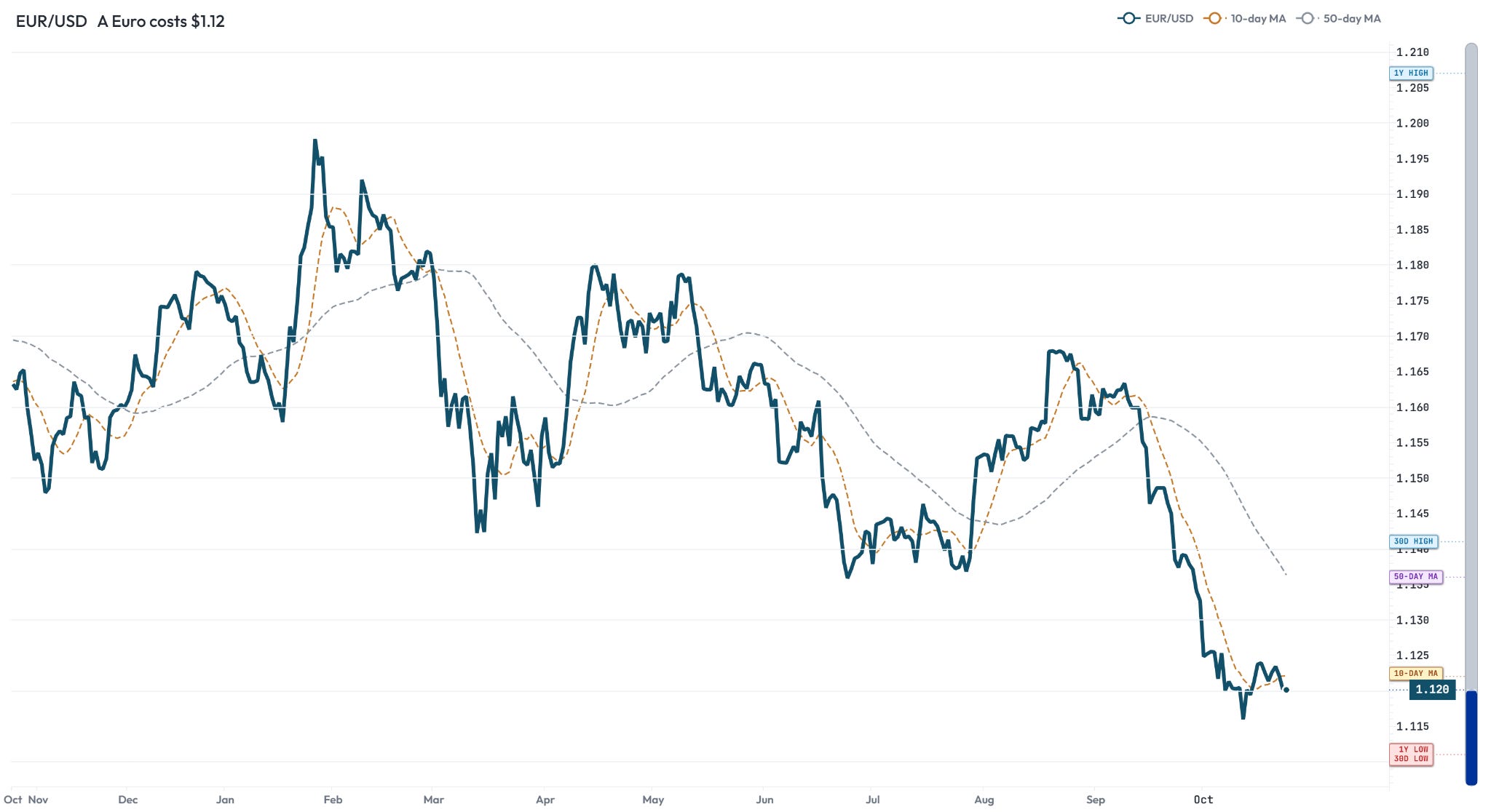
Conversely, the euro remains structurally vulnerable, making it the prime candidate for selling into strength. Unrest in French cities has compounded severe fiscal concerns; Reuters reported that the French 10-year yield spread over Italian BTPs reached 50 basis points for the first time, while Moody’s warned of deteriorating debt affordability. With Eurozone composite output slowing to 51.9 and the ECB almost certain (97.0% implied probability) to hold its deposit rate at 2.50% on October 29, currency operators can evaluate short euro setups against resilient counterparts.
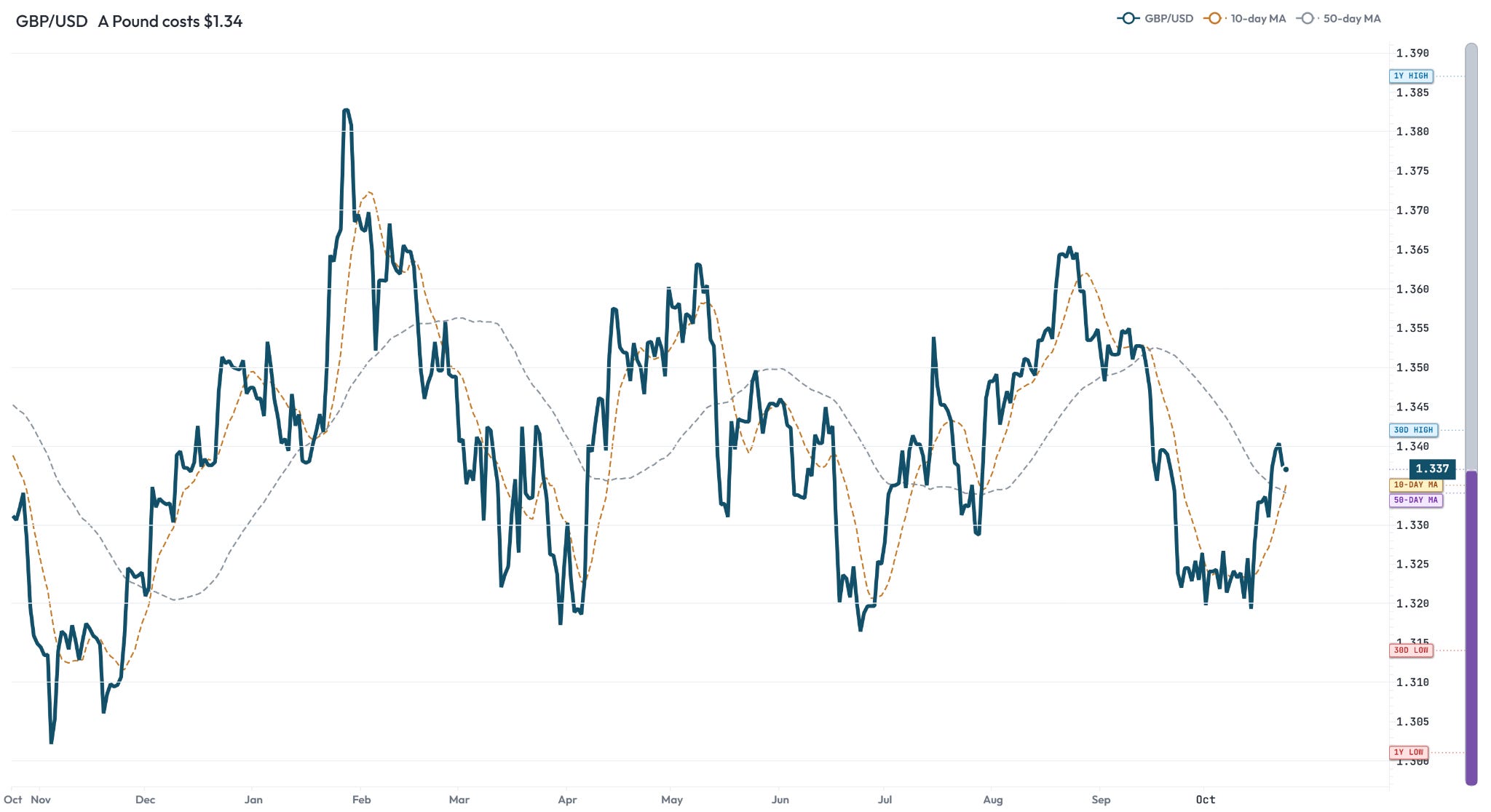
Sterling displays tactical resilience underpinned by sticky price pressures. Data from the Office for National Statistics showed annual headline inflation rising to 3.5%, cementing a 95.2% market probability of a Bank of England hike to 4.00% on November 5. However, consumer confidence plunged to -24 ahead of Wednesday’s UK budget. Traders can watch for dip-buying interest in sterling crosses if fiscal policy remains credible.
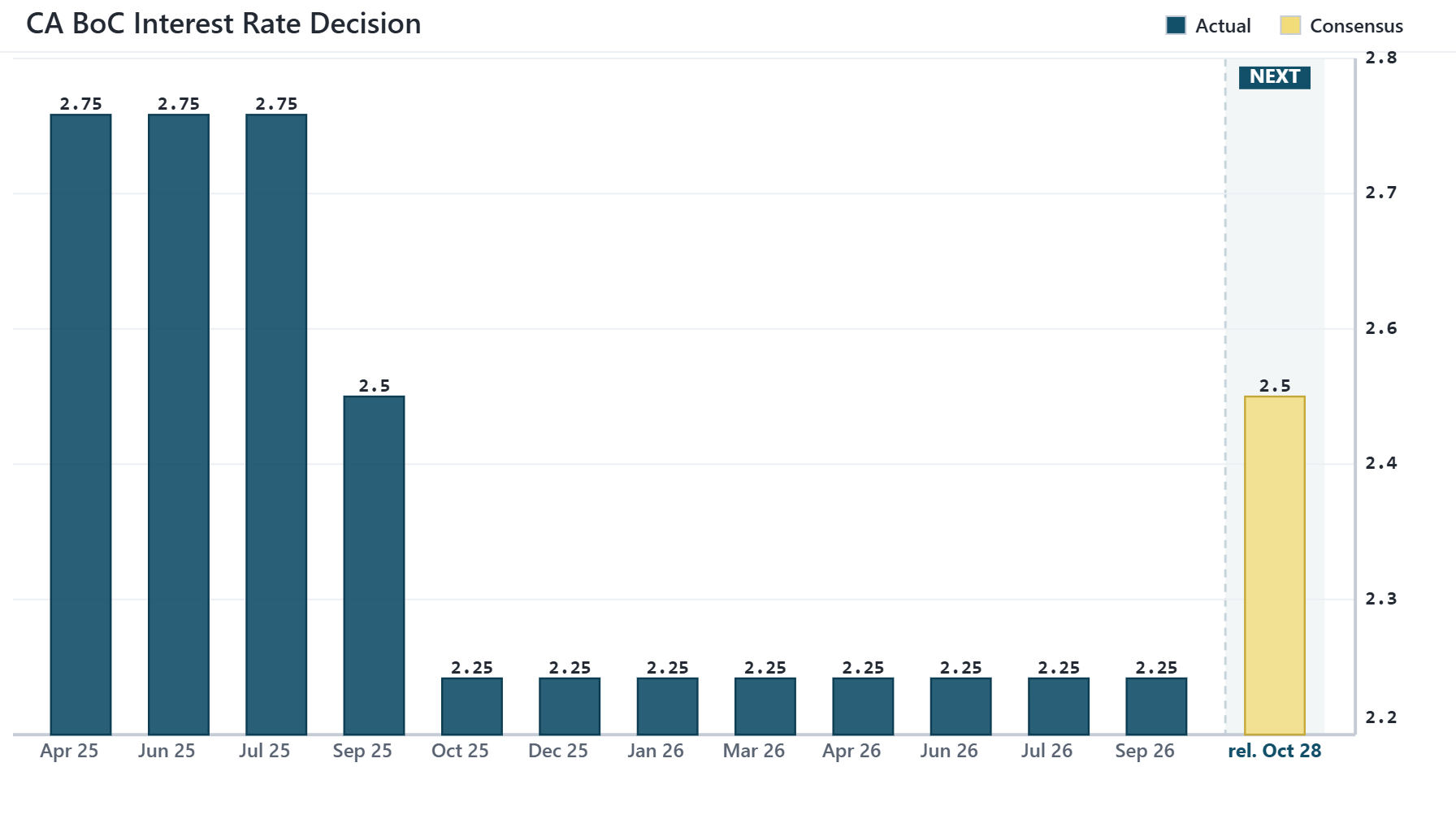
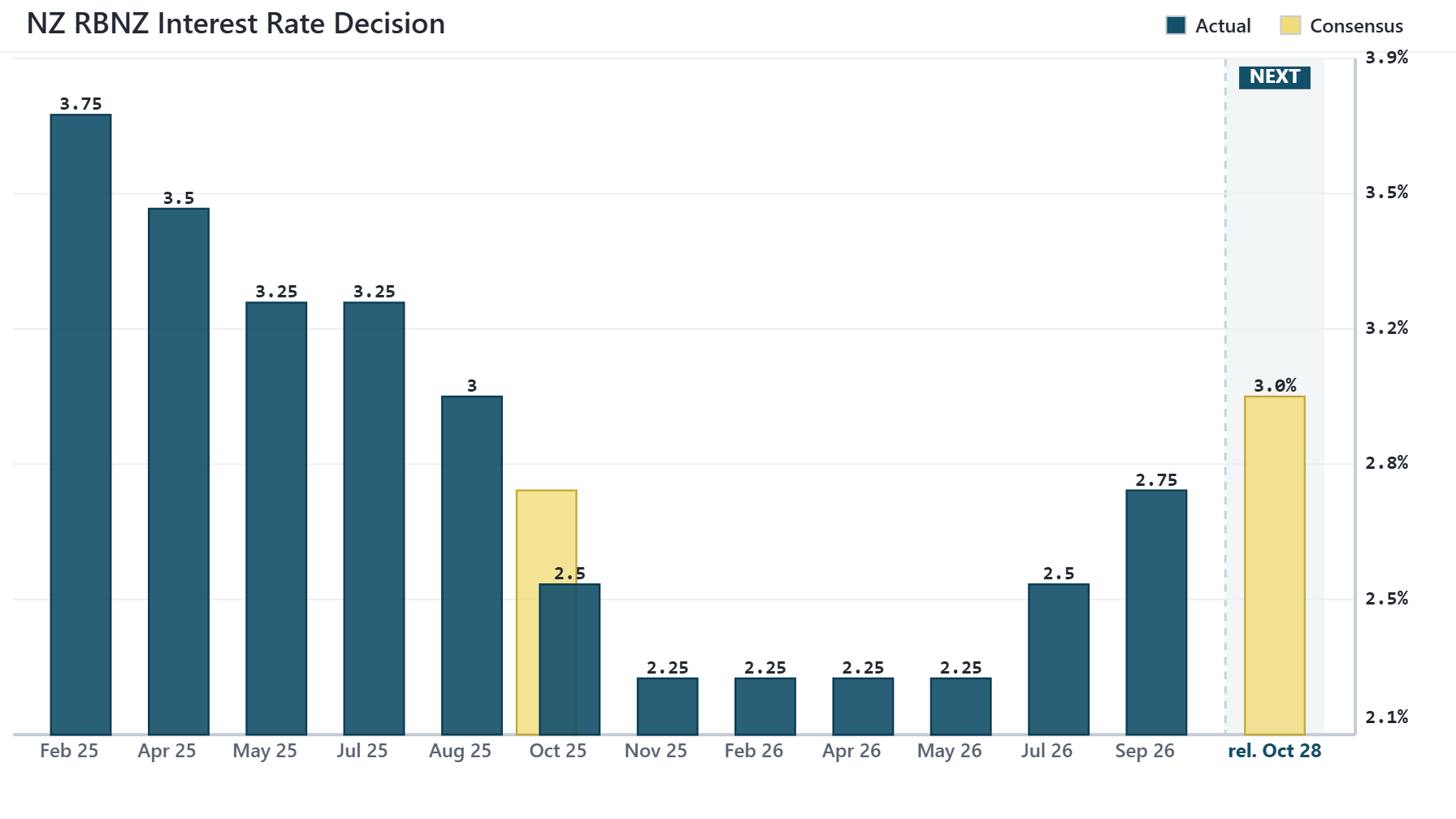
Across the Pacific and commodity bloc, rate trajectories diverge. Swaps price a 79.6% probability that the Bank of Canada hikes rates to 2.50% on October 28, alongside an 87.5% chance of a Reserve Bank of New Zealand increase. Meanwhile, the Bank of Japan is overwhelmingly expected (98.1%) to hold at 1.25% on October 30, keeping the yen primarily sensitive to Middle East risk sentiment.
Long-Term Outlook
Over the coming months, persistent energy friction and ballooning sovereign debt burdens will dictate the broader foreign exchange landscape. With tanker harassment across the Strait of Hormuz keeping Brent crude elevated above $112 a barrel, imported cost-push inflation will restrict the capacity of central banks to deliver policy easing into 2027. Concurrently, mounting fiscal deficits in Washington and Paris will routinely stress bond markets. Analysts at ING observe that the negative correlation between equities and bonds is reasserting itself. Traders must anticipate a regime of structurally elevated real yields, heightened volatility, and episodic flights to traditional quality through the winter.
Fundamental Analysis pages to bookmark…
DISCLAIMER: This site is informational only, NOT financial advice. Trading involves risk, and you could lose money.