
Divided Capital, Divided Central Banks

The week behind
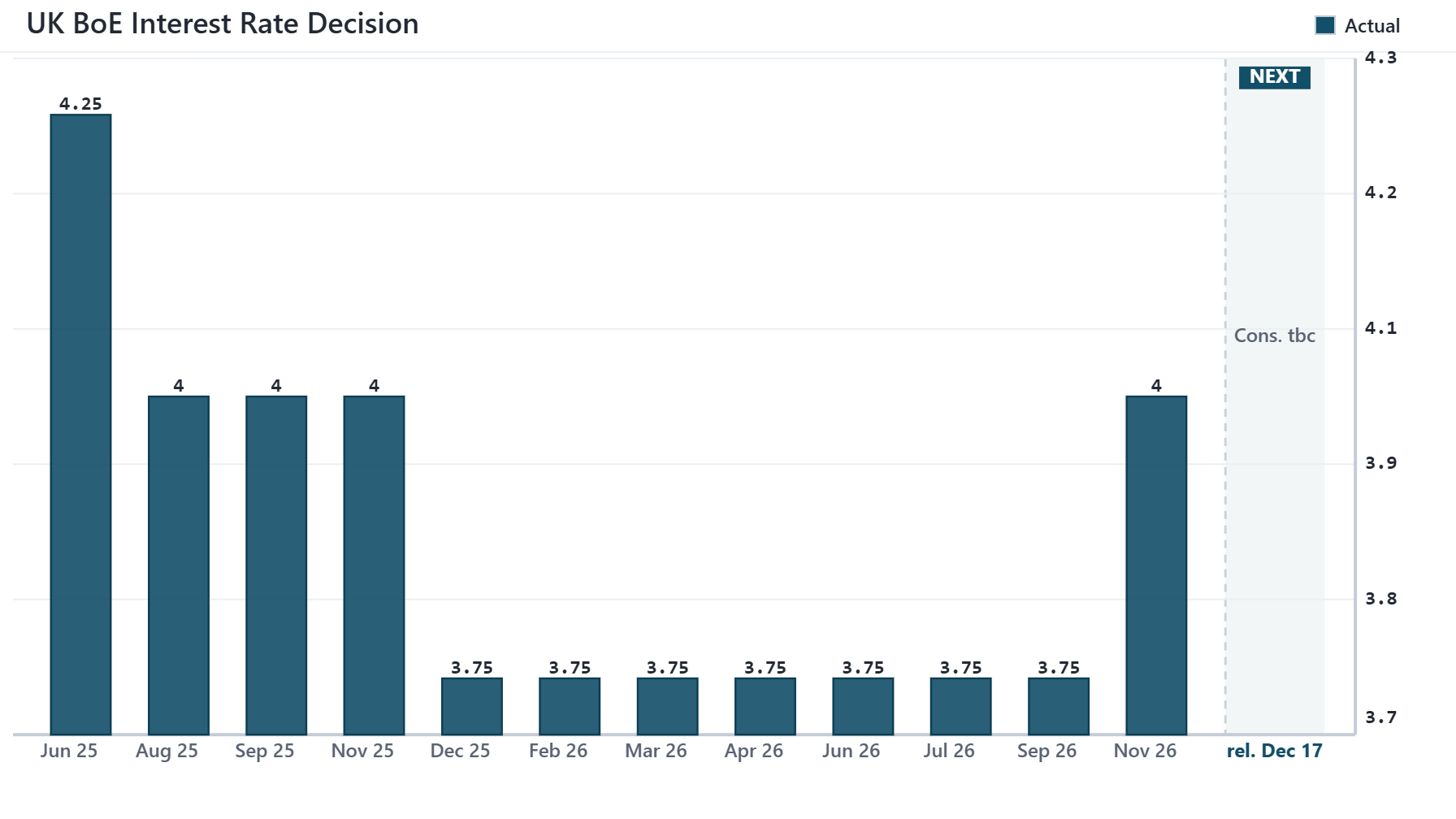
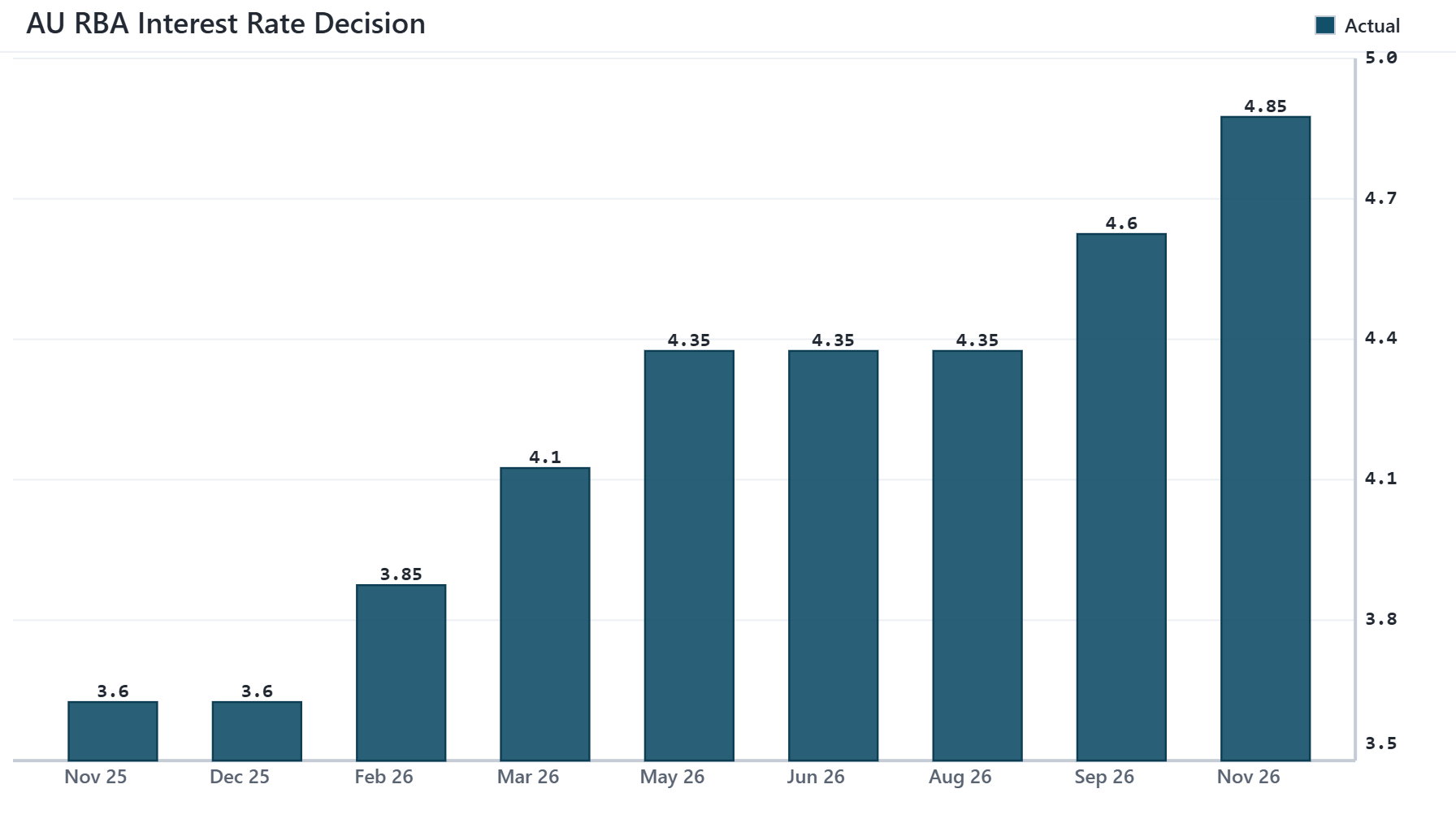
Divergent monetary trajectories fractured global currency markets last week. In London, the Bank of England raised its benchmark rate by a quarter of a percentage point to 4.00%, with only a solitary policymaker dissenting. Simultaneously, Australia’s central bank executed an identical quarter-point increase, taking its policy rate to 4.85%. Yet a split vote and cautious accompanying commentary muted any enduring market reaction.
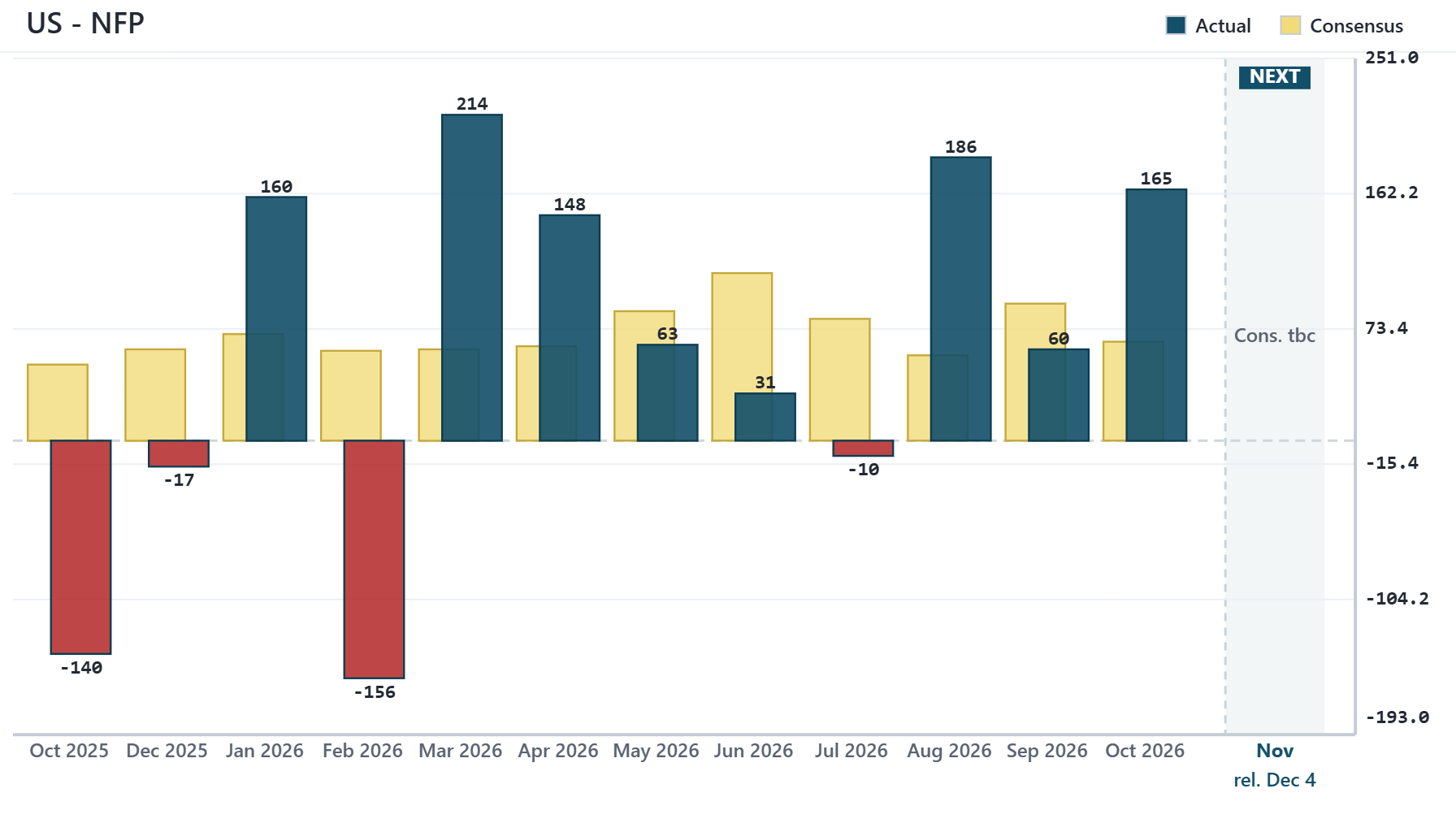
Across the Atlantic, contrasting employment updates shattered regional alignment on November 6th. An unexpected gain of 165,000 American jobs trimmed the unemployment rate to 4.1%, pushing ten-year Treasury yields back toward 4.87%. Canada, by contrast, shed 4,700 positions as its unemployment rate climbed to 6.7%. Against a backdrop of political realignments in Washington and heightened naval friction in the Strait of Hormuz, investors sought refuge in European sovereign bonds, leaving Canadian and New Zealand currencies exposed to sharp sell-offs.
The days ahead
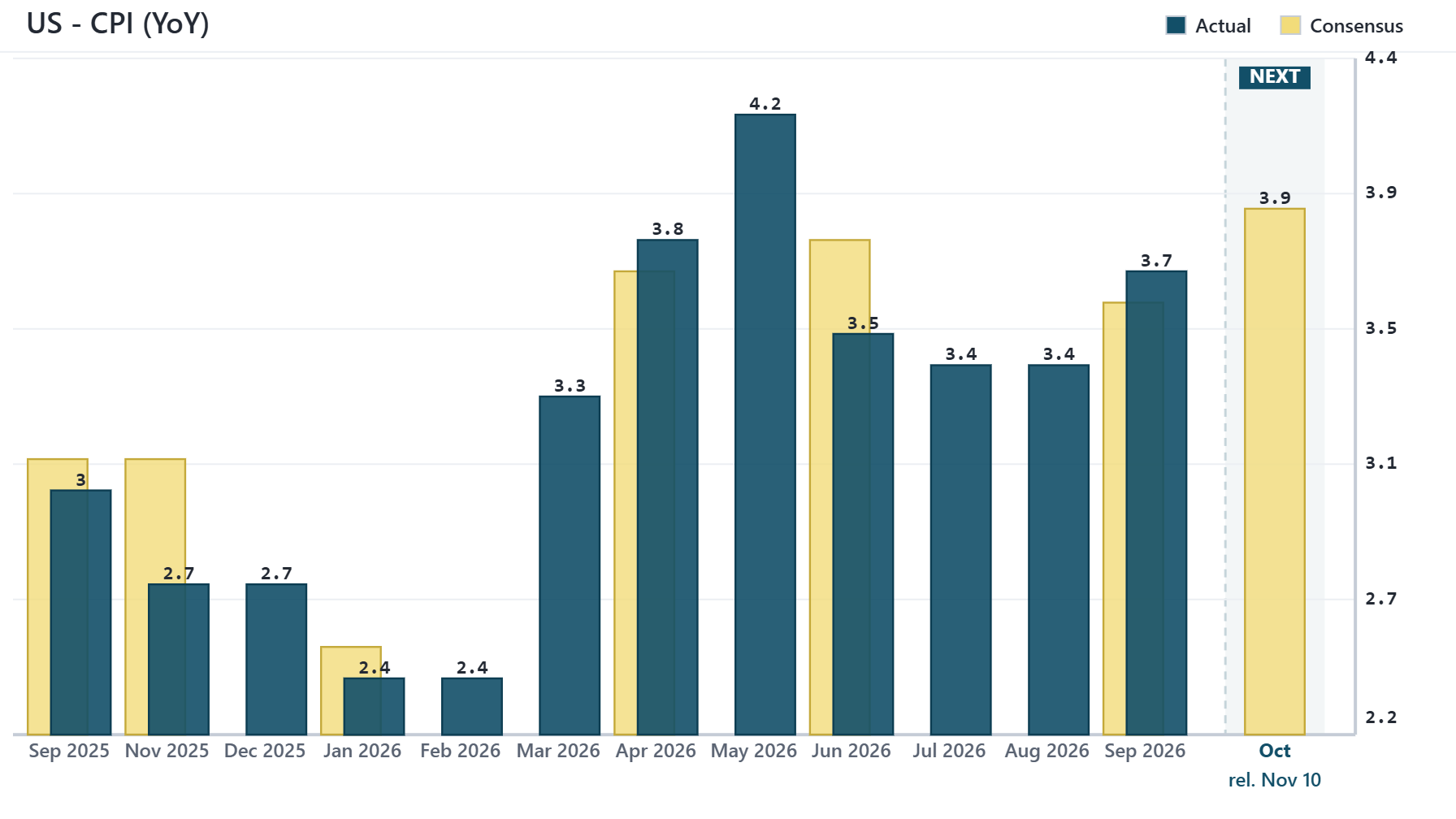
The coming week opens under the shadow of central bank maneuvering and pivotal consumer price releases. Tuesday, November 10th brings the American consumer price index, where consensus expects headline inflation to cool to 0.3% month-on-month. A firm print will solidify expectations for a quarter-point Federal Reserve hike in December, currently assigned a 78% probability by futures markets.
On Wednesday, November 11th, final German inflation data will test European Central Bank pricing, where markets discount a 77% likelihood of a December tightening following October’s 4.0% Eurozone print. Thursday, November 12th features British third-quarter gross domestic product alongside New Zealand inflation expectations, followed by Eurozone output updates on Friday, November 13th.
These catalysts sharpen policy divergence. The euro benefits from sustained institutional demand, supported by German output resilience and hawkish signals from Frankfurt. Conversely, the Canadian dollar remains constrained by labor market slack and widening yield differentials. Market participants are watching for buying interest in the euro against the Canadian dollar around the 1.5707 technical threshold.
At the same time, the New Zealand dollar encounters persistent selling pressure. Following a closely contested national election on Saturday, November 7th and an eleven-year high in domestic unemployment at 5.7%, the kiwi lacks support against the resilient Swiss franc. With Swiss annual inflation accelerating to 1.5% and 10-year Confederation yields steady near 0.45%, tactical interest centers on downside potential in the New Zealand dollar against the Swiss franc on corrective bounces toward 0.4571.
The weeks ahead
Looking through late November, foreign exchange pricing will hinge on widening monetary policy divergence and Persian Gulf supply risks. Money markets discount December rate increases from the European Central Bank, the Bank of Japan, and the Federal Reserve, whereas the central banks of Canada and Australia face domestic constraints that favor a pause. Should naval skirmishes near Qeshm Island interrupt shipping through the Strait of Hormuz, elevated energy costs will widen sovereign credit spreads among energy importers. Yield resilience in Switzerland and Britain is poised to support their respective currencies against commodity-linked laggards into year-end.
Fundamental Analysis pages to bookmark…
DISCLAIMER: This site is informational only, NOT financial advice. Trading involves risk, and you could lose money.