

Market Highlights from Last Week
The market saw significant changes last week. Fed Chair Warsh signaled a firm stance on interest rates at the Jackson Hole meeting, which caused 10-year Treasury yields to rise to 4.74%. Simultaneously, global tensions increased due to new U.S. sanctions on Iran and potential 50% tariffs on Canadian goods by 2027. As we enter the week of August 31st to September 6th, we are focusing on upcoming U.S. job figures and manufacturing data to understand the Federal Reserve’s next steps.
Tariff Threats and Hawkish Central Banks Take the Lead
The Fed Holds the Line
Fed Chair Kevin Warsh used his platform at Jackson Hole to temper any premature hopes for rate cuts, making it clear that underlying inflation has not meaningfully improved. This straightforward, hawkish message kept US 10-year Treasury yields elevated near 4.74% and gave the US dollar a solid foundation.

As we move through WN36 August 31st to September 6th, upcoming Nonfarm Payrolls and ISM PMI data will be crucial. Closely watch to see if these reports confirm a restrictive economic environment or reveal unexpected cracks in the labor market.
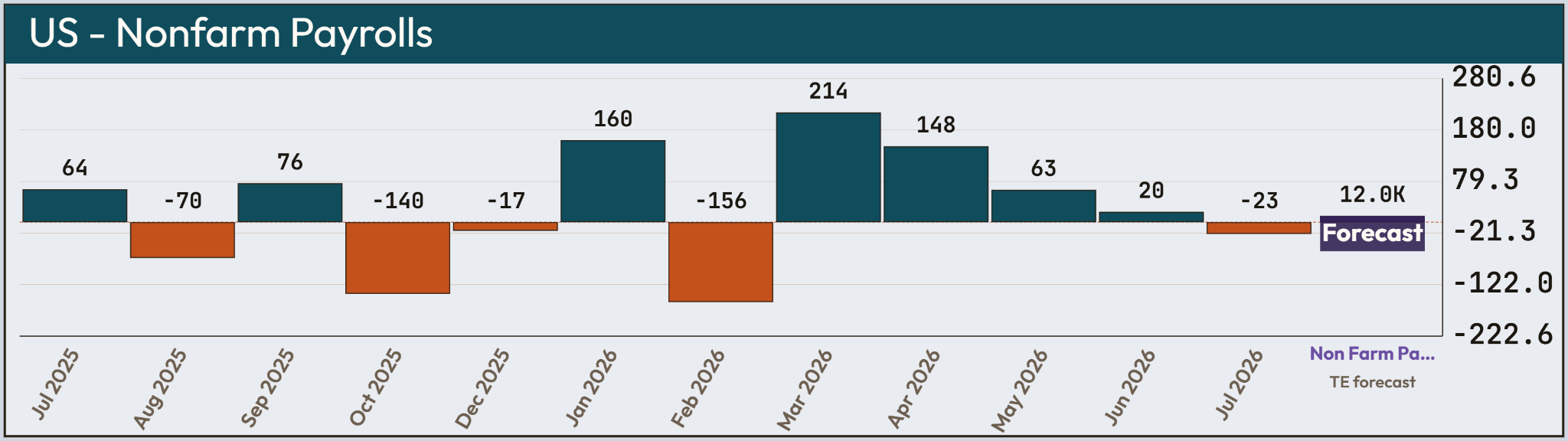
Geopolitics and Trade Risks
Looking ahead over, the broader macroeconomic landscape is being heavily shaped by aggressive US trade and foreign policies. The rollout of “Operation Economic Outcast” against Iran has kept energy markets on edge.
Furthermore, President Trump’s threat of a 50% tariff on Canadian goods by 2027 has put serious strain on North American trade relations. These dynamics naturally encourage safe-haven flows and favor currencies with a yield advantage, keeping our Strategic direction completely on track.
Australia’s Setbacks Create New Divergences
Cracks in the Labor Market
The Australian dollar looks highly vulnerable following a surprising drop of 15,800 jobs in July. Domestically, this essentially erases any runway the Reserve Bank of Australia had for further rate hikes.
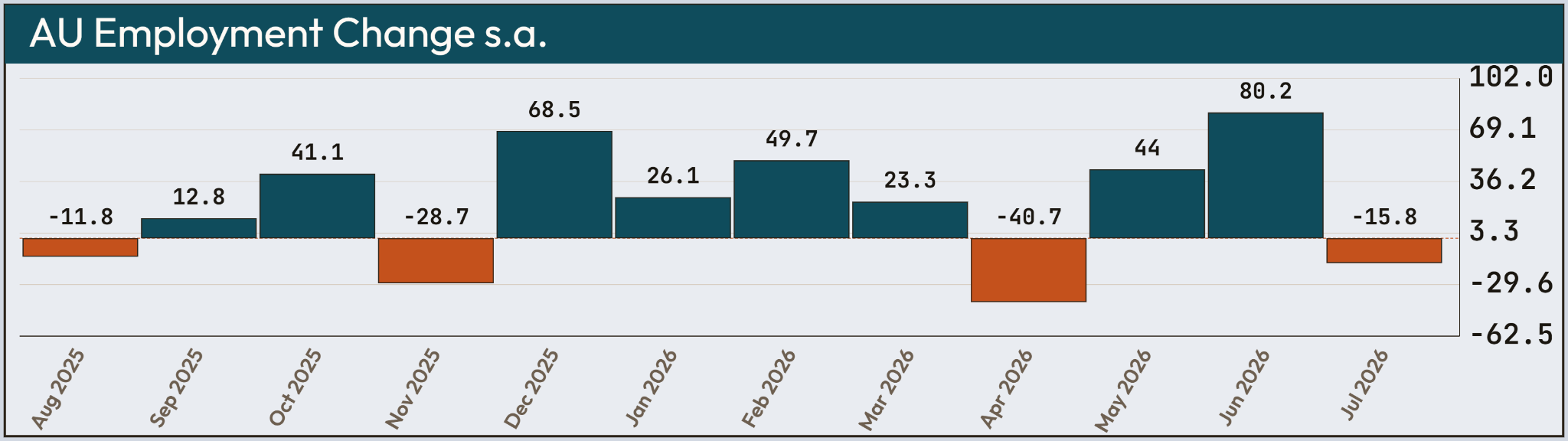
Externally, the picture is not much better. China’s industrial profits cooled to 17.6% year-on-year, signaling weaker demand for Australian commodities and putting pressure on export profitability as we head into September.
A Clear Currency Divide
Throughout WN36 August 31st to September 6th and beyond, the Aussie’s fundamental decay makes it an ideal funding currency for trades. The Eurozone’s 0.4% economic expansion in the second quarter and the Bank of Japan’s hawkish posturing provide a stark, highly tradeable contrast.
Conclusion
The trading environment for the coming weeks is defined by widening, undeniable divergences. The US dollar, Euro, and Japanese Yen are all finding support from hawkish central banks and stable growth metrics. Conversely, the Australian dollar is buckling under the weight of a weakening domestic labor market and external trade threats. Remain disciplined, targeting these structural imbalances and waiting for optimal entry levels around the moving averages.
Gavin Pearson has been studying the currency markets as a retail trader for twenty years.
Fundamental Analysis pages to bookmark…
DISCLAIMER: This site is informational only, NOT financial advice. Trading involves risk, and you could lose money.