
The Dollar’s Continued Decline
The US dollar is still weakening as the domestic economy slows down. Because of this, my August strategy of pairing the dollar against the British pound and Australian dollar isn’t working as expected. UK retail momentum is fading, and Australia has seen a sudden contraction in its labor market, so a re-focus is needed.
The Strategy for WN35
Priority: Look at a suitable entry to go long NZD/USD.
Drop the Yen: Close USD/JPY shorts as Japan’s momentum is slowing after a soft GDP report.
Introducing the Euro: Look for a good long EUR/USD entry to take advantage of the dollar’s weakness against a stronger European economy.
The Dollar’s Structural Retreat Accelerates
Data Prints Erode the Yield Premium
The US dollar is steadily losing its macroeconomic defences. While the August 21st S&P Global Services PMI offered a brief bright spot by printing at 56.8 against a 54.0 consensus, it simply was not enough to reverse the broader narrative of consumer exhaustion.
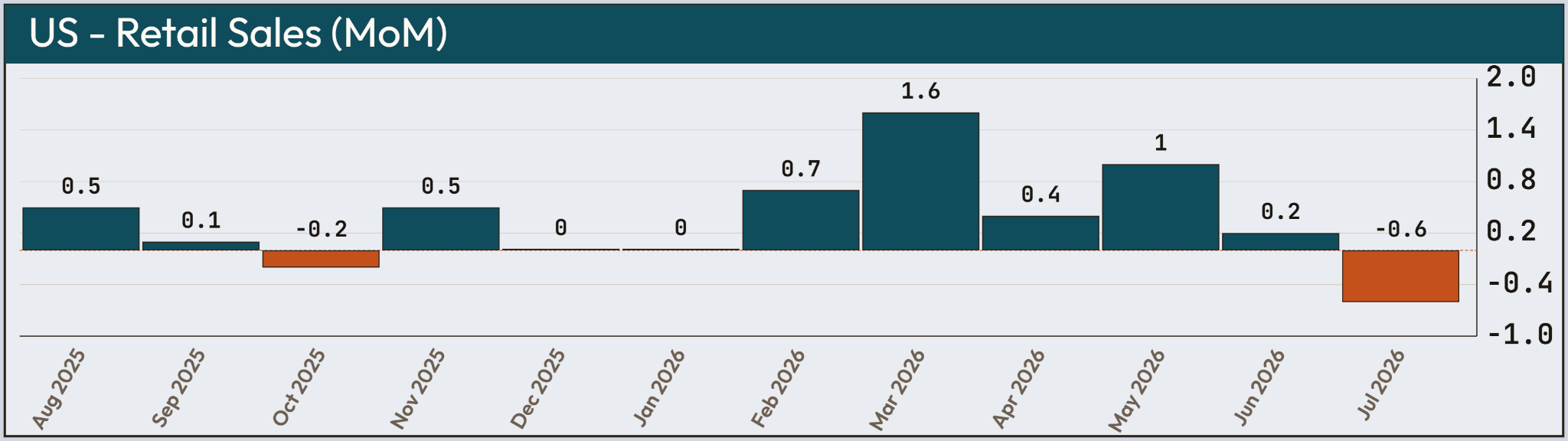
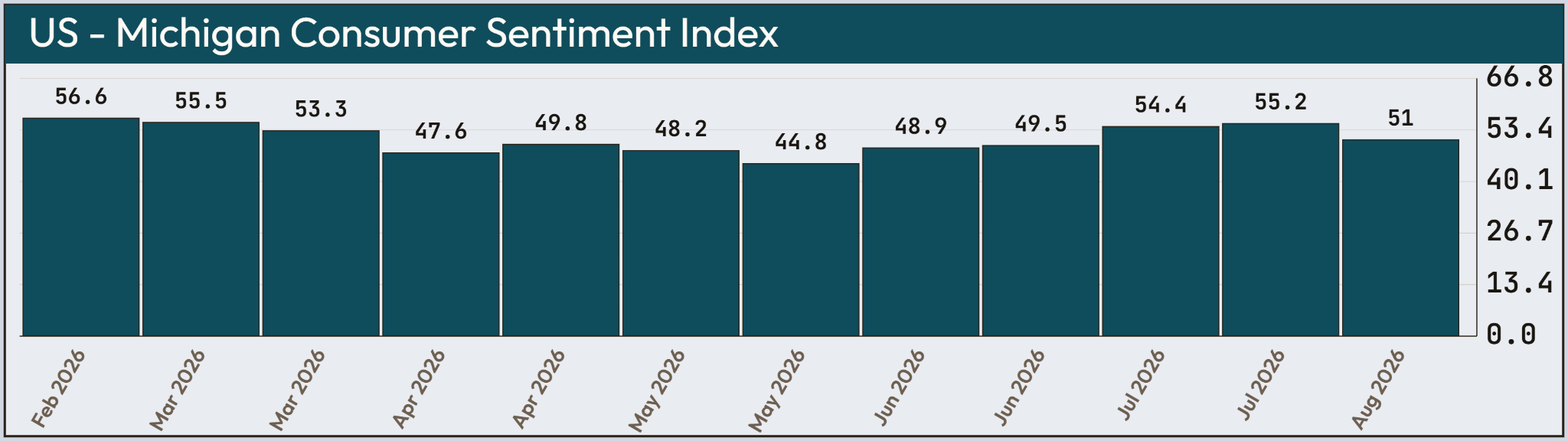
The August 14th retail sales report delivered a sharp blow, contracting by 0.6% against expectations of a 0.1% gain. Furthermore, the Michigan Consumer Sentiment Index eased to 51.0, underscoring that everyday Americans are feeling the pinch.
Employment Woes Solidify the Shift
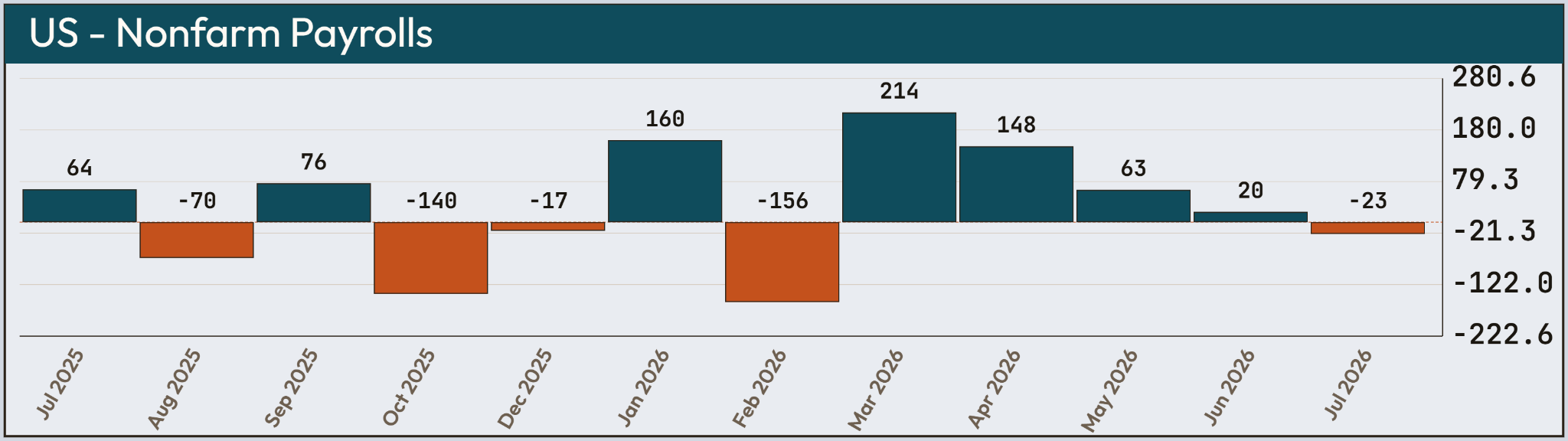
These demand-side failures compound the damage from the August 7th nonfarm payrolls print, which revealed a shock contraction of 23,000 jobs. Consequently, the 10-year US Treasury yield, though managing a modest rebound to 4.74%, remains highly vulnerable.
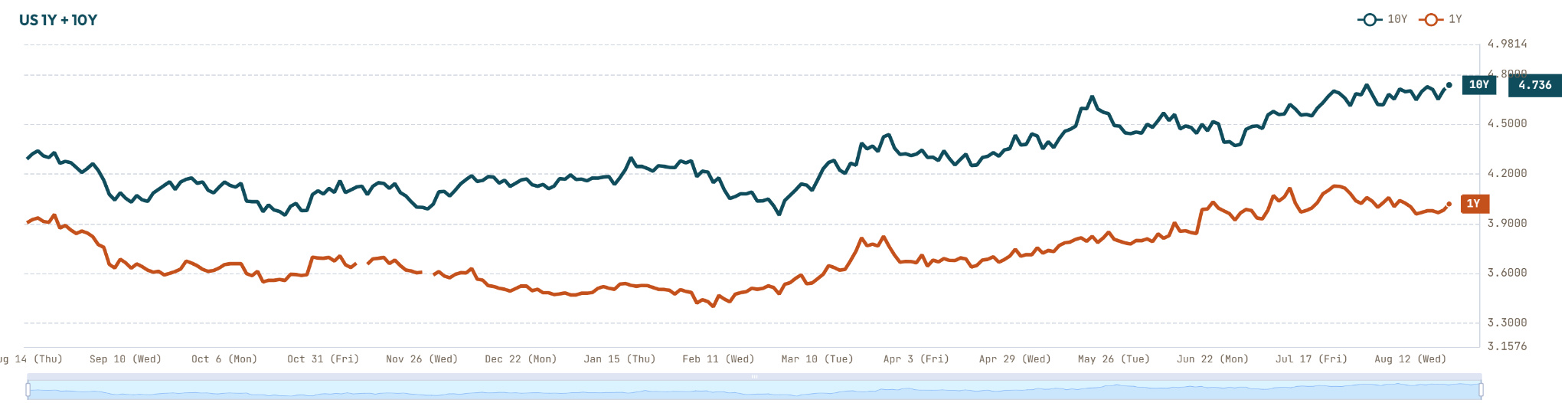
As we look through the focus week, the dollar has transitioned from a high-yield safe haven into a funding currency. Capital is bleeding away from the greenback and flowing toward central banks that are maintaining a decisively hawkish posture.
The Kiwi Assumes the Hawkish Mantle
Yield Divergence Favours Wellington
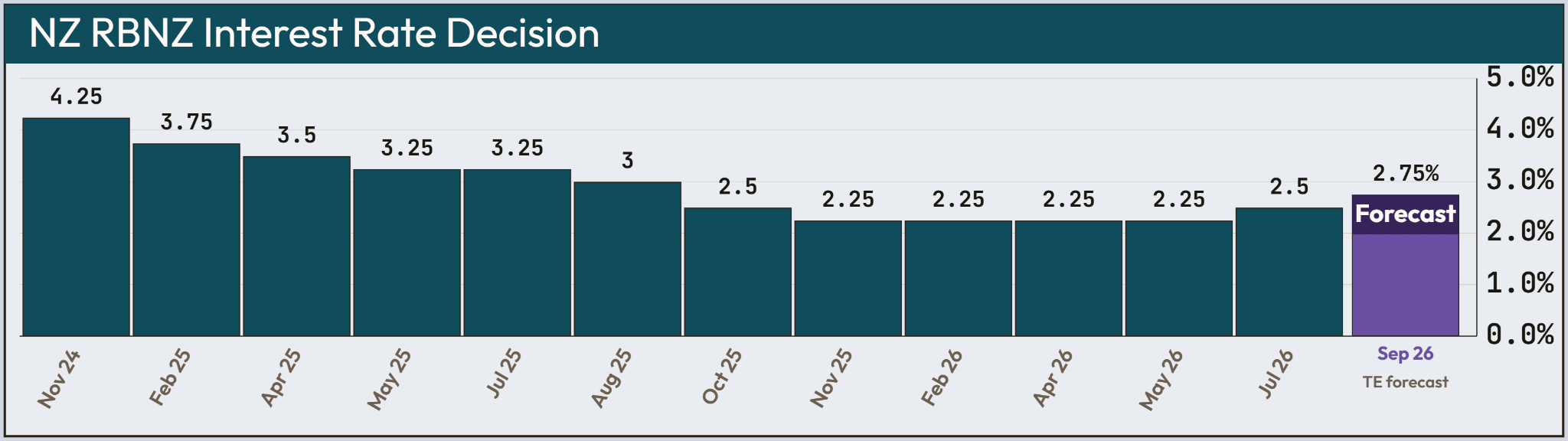
As the US Federal Reserve faces mounting pressure from a cooling economy, the Reserve Bank of New Zealand (RBNZ) stands out as the most aggressive central bank in the G8. Financial markets are currently pricing a massive 92.9% probability of a rate hike at the upcoming September 2nd RBNZ meeting.
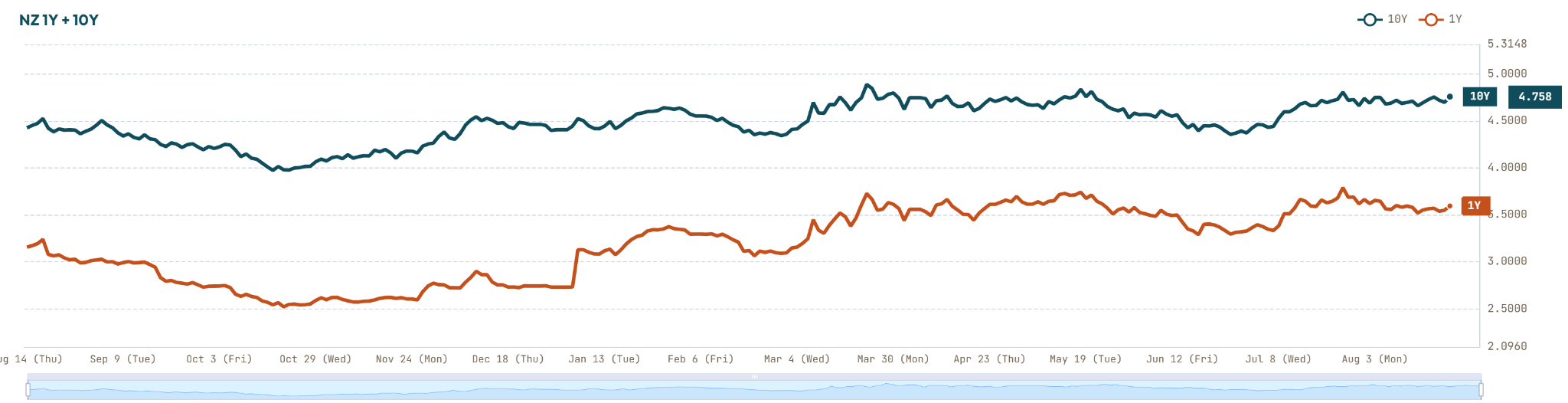
This robust policy path is supported by the 10-year New Zealand government bond yield, which continues to trend higher. This is steadily widening its advantage over US Treasuries.
A Clear Path Forward
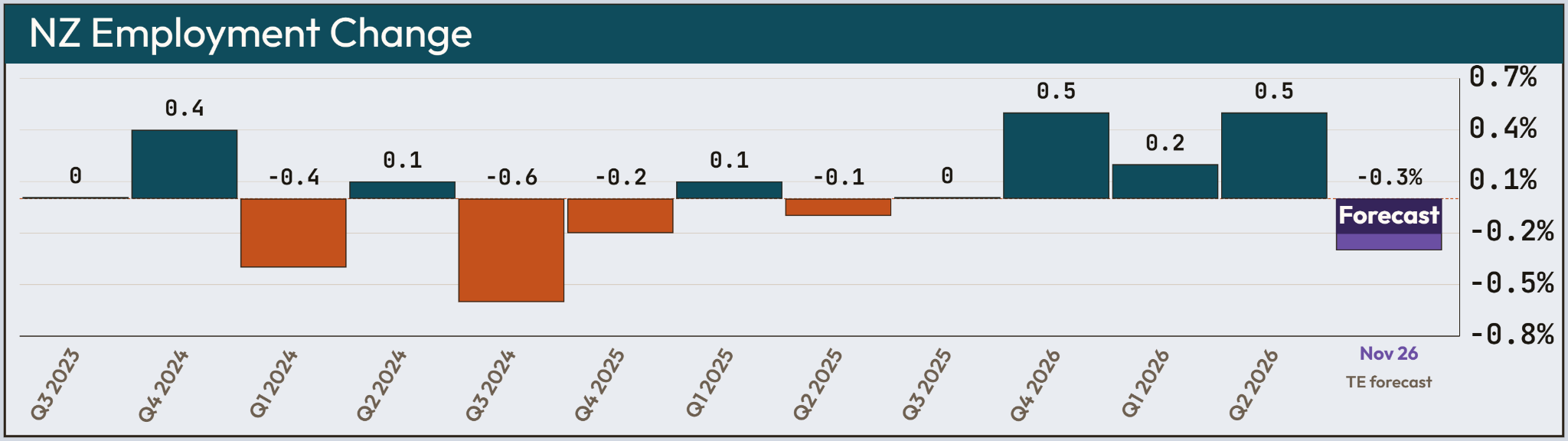
While New Zealand’s employment change on August 4th came in at 0.5 against a 0.2 consensus, the currency is primarily being driven by this aggressive rate-path pricing. Through the focus week and into early September, the New Zealand dollar serves as the premier vehicle for exploiting the greenback’s fundamental weakness.
The Euro Steps Up as the European Anchor
Services Resilience Lifts the Single Currency
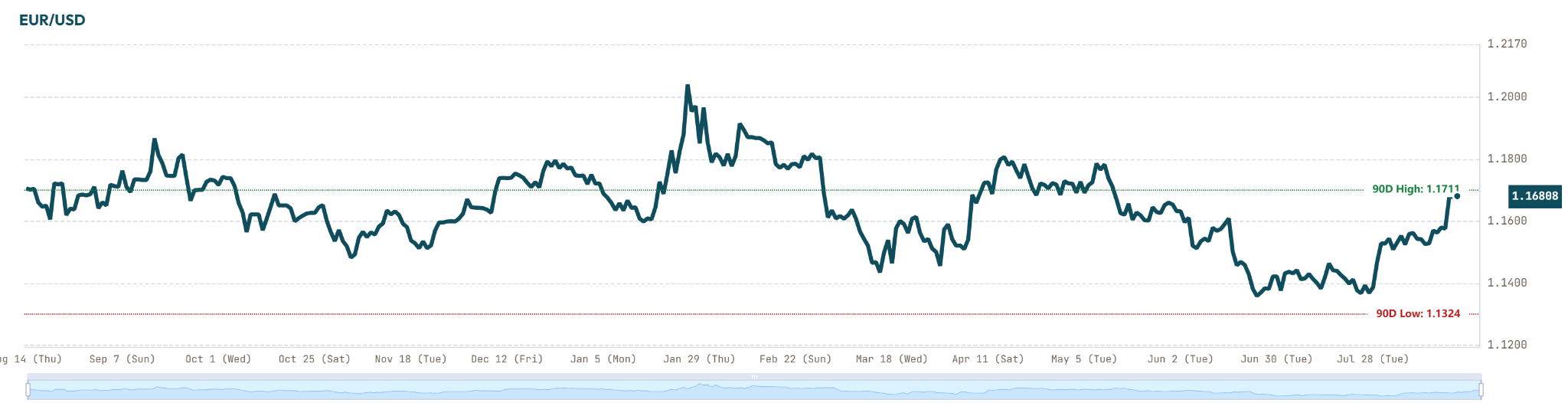
With the British pound side-lined due to mixed data, the euro has stepped in to capture capital fleeing the US dollar. On August 21st, the Eurozone HCOB Services PMI printed at 51.7, beating the 51.5 consensus and providing a vital signal of European economic resilience.
The single currency rallied to a 14-week high above $1.156 in response. More importantly, European bond markets reflect sustained tightening expectations.
Consistent Central Bank Support
EU 10-year yields remain elevated, narrowing the yield gap with the US. As long as the European Central Bank maintains its hawkish optionality, the euro will systematically benefit from the dollar’s macroeconomic degradation over the coming three weeks.
Australia’s Labour Collapse Forces a Pivot
The End of the Aussie Premium
The Australian dollar’s bull case has been entirely invalidated. On August 20th, Australian employment completely collapsed, shedding 15,800 jobs against a consensus expectation of a 15,000 gain. At the same time, the unemployment rate spiked to 4.5%.
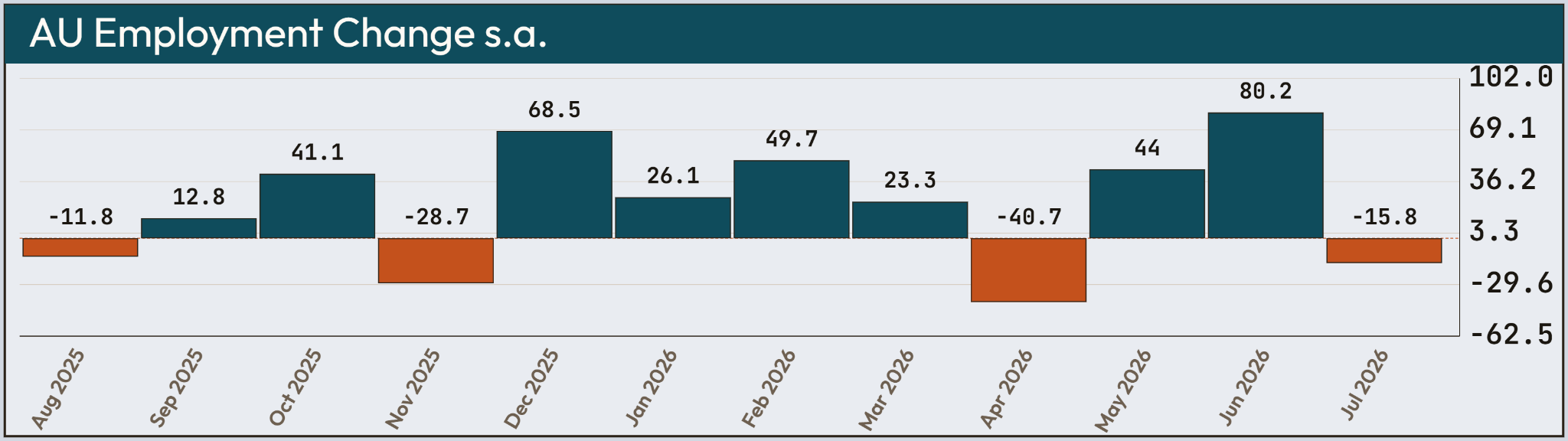
This disastrous print wiped out the Reserve Bank of Australia’s runway for further hawkish posturing. Consequently, the Australian dollar has lost its fundamental premium. This firmly validates the decision made in WN34 to abandon the currency as a long vehicle against the US dollar.
Conclusion
Our core strategy to short the US dollar is still the strongest play on the board right now, but the vehicles we use to get there have changed. Australia’s sudden labour market contraction and the UK’s stalling momentum have disqualified the original Strategic pairs. Instead, capital is rotating aggressively toward the New Zealand dollar—backed by near-certain RBNZ rate hikes—and the euro, which is demonstrating renewed resilience in its services sector.
Gavin Pearson has been studying the currency markets as a retail trader for twenty years.
Fundamental Analysis pages to bookmark…
DISCLAIMER: This site is informational only, NOT financial advice. Trading involves risk, and you could lose money.