

A surge in US job growth combined with rising trade tensions in North America has strengthened the US dollar. This week, the focus shifts to two critical events that could influence the markets: the ECB’s interest rate decision and new data on US inflation. We will be watching these developments closely for further direction.
The Dollar’s Revival and North American Trade Tensions
A Strong Jobs Report Boosts the Dollar
The US dollar has fundamentally strengthened following an impressive employment report. On Friday, September 4th, the US added 162,000 jobs in August, far exceeding the expected 56,000.
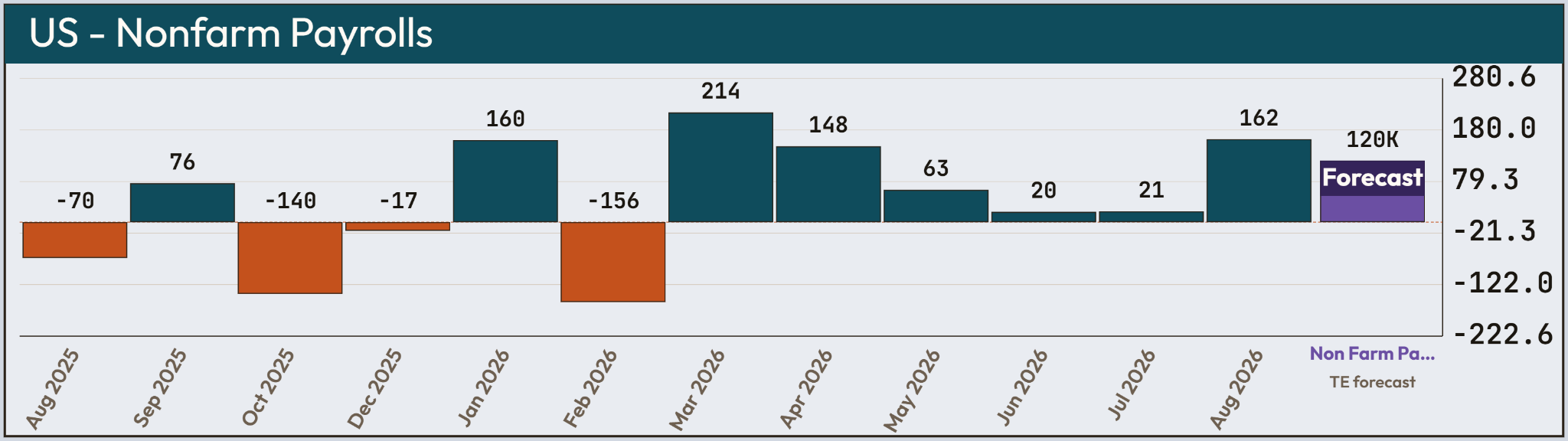
This unexpected surge led to higher 10-year Treasury yields, which rose to 4.79%, and fueled a stronger dollar as expectations for Federal Reserve policy tightened.

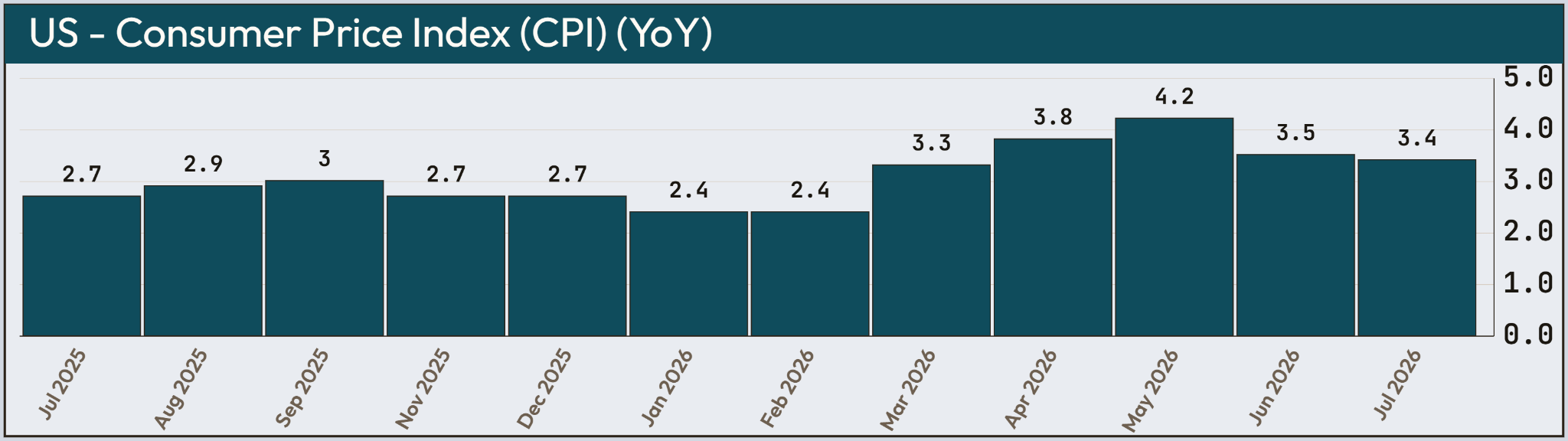
The next key moment to watch is the US Consumer Price Index (CPI) release on September 11th. A high inflation reading could push the Federal Reserve closer to a rate hike, keeping the dollar strong.
Trade Tensions Impact the Canadian Dollar
Trade relations in North America are becoming increasingly difficult due to new tariff threats. President Trump has proposed 50% tariffs on Canadian cars and steel by 2027, and Canada has responded with retaliatory tariffs targeting $20 billion in US imports.
At the same time, Canada’s economy is struggling, as shown by a loss of 41,700 jobs in August—a result much worse than the anticipated 15,000 gain. This economic weakness has hit the Canadian dollar (the “Loonie”) hard and made further rate hikes from the Bank of Canada unlikely.
There may be opportunities in USD/CAD to take advantage of these trends.

Eurozone Stagnation Meets Japanese Normalization
The Euro’s Economic Struggles
The Eurozone is currently navigating some tough challenges, particularly as recent economic data clashes with the central bank’s plans.
In July, retail sales fell by 0.6%, coming in lower than expected, while August services data (PMI) also missed the mark at 51.6.
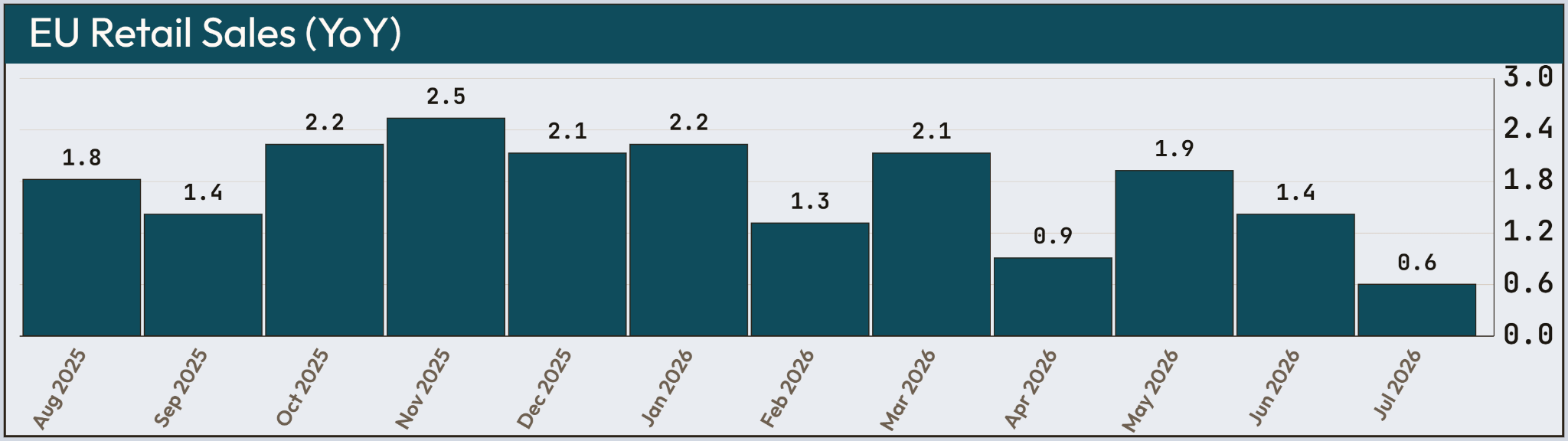
Even with a sluggish economy, the European Central Bank is expected to raise rates on September 10th. These conditions are creating genuine concerns about stagnation and make the Euro a likely choice for funding trades, pointing toward short EUR/USD positions.
The Yen’s Rising Popularity
Meanwhile, the Japanese Yen is gaining strength as nervous investors look for stability and have priced in the Bank of Japan to raise rates on September 18th.
This anticipation is driving increased demand for the Yen and pushing USD/JPY lower.

EUR/JPY shorts are being looked into to take advantage of the growing gap between a weaker European economy and a strengthening Japanese outlook.
Geopolitical Shocks and the Aussie’s Vulnerability
Global Tensions and Safe Havens
The current global climate is unpredictable, which is naturally pushing investors toward safer assets. Recent military exchanges between the US and Iran—specifically targeting US bases in Jordan, Bahrain, and Erbil following earlier actions in the Strait of Hormuz—have added significant tension.
At the same time, while US diplomats are meeting with President Putin to discuss peace, the ongoing situation in Ukraine continues to affect energy supply lines.
Given this instability, EUR/CHF presents a potential trade if market nerves continue to rise.

Challenges for the Australian Dollar
The Australian dollar is facing a tough period due to a mix of domestic and outside pressures. While recent data showed the economy grew by 0.4% in the second quarter—slightly better than the expected 0.3%—this small win wasn’t enough to overcome broader issues.
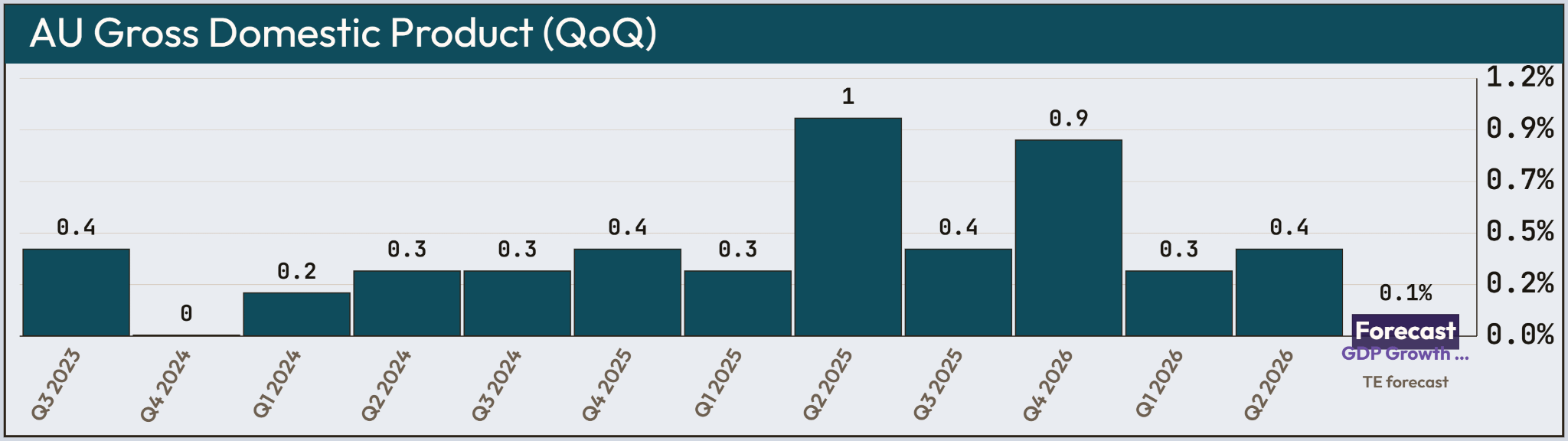
Investors remain cautious after last month’s sharp drop in employment, and there are simply too many “long” positions in the market right now.
Even though the Reserve Bank of Australia is expected to raise rates later this month, the Australian dollar is still struggling to keep up with the strong momentum of the US dollar.
Conclusion
The US dollar is standing tall right now, helped by a very strong employment report. Meanwhile, the Canadian dollar and the Euro are feeling the pressure. Both are struggling with weak local data and growing concerns about an economic slowdown.
I will be focusing on key pairs like EUR/USD, USD/CAD, and AUD/USD, planning to take advantage of these clear trends as they develop throughout the week. Additionally, keeping a close eye on the Japanese Yen, which is acting as a safe place for investors, and using that to find potential opportunities in EUR/JPY.
Fundamental Analysis pages to bookmark…
DISCLAIMER: This site is informational only, NOT financial advice. Trading involves risk, and you could lose money.