

The US dollar continues its firming trajectory, building on solid employment data and trade tensions that keep the Canadian dollar under pressure.
This week, our attention turns to three major central bank decisions and pivotal data releases. With ongoing geopolitical stress in the Middle East keeping risk appetite cautious, divergent policy paths offer clear, tactical opportunities across major currency pairs. We approach this environment with discipline, patience, and clear risk parameters.
Key Developments of Last Week
A Firming Dollar on Resilient Inflation
On September 11, US August consumer prices showed headline inflation holding at 3.4% year-over-year, while the monthly rate advanced 0.4% against the 0.1% prior read. Core consumer prices also firmed 0.3% month-over-month.
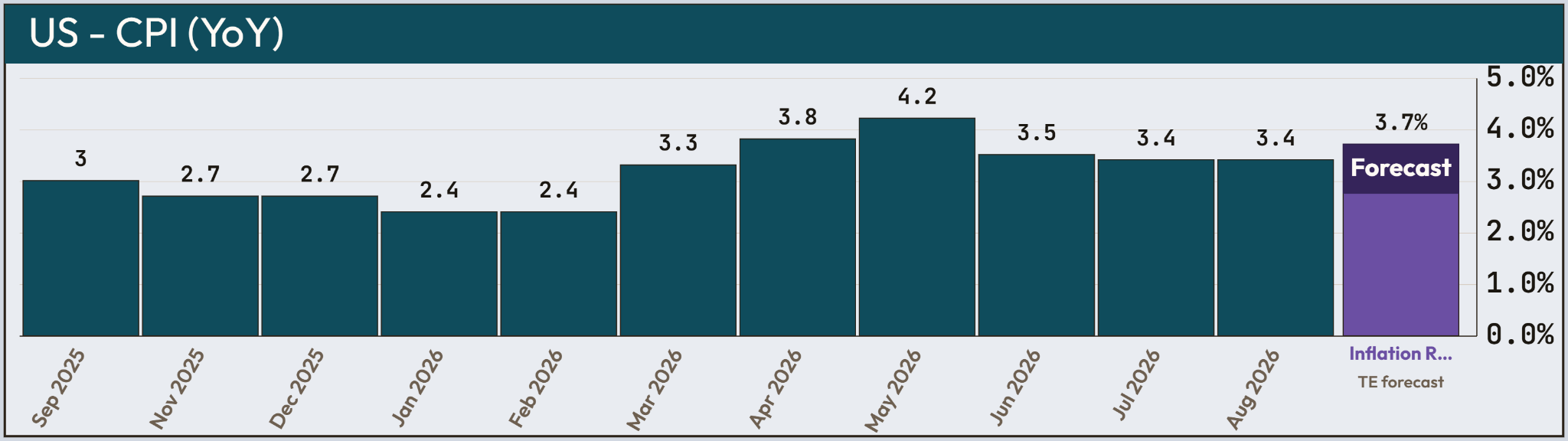
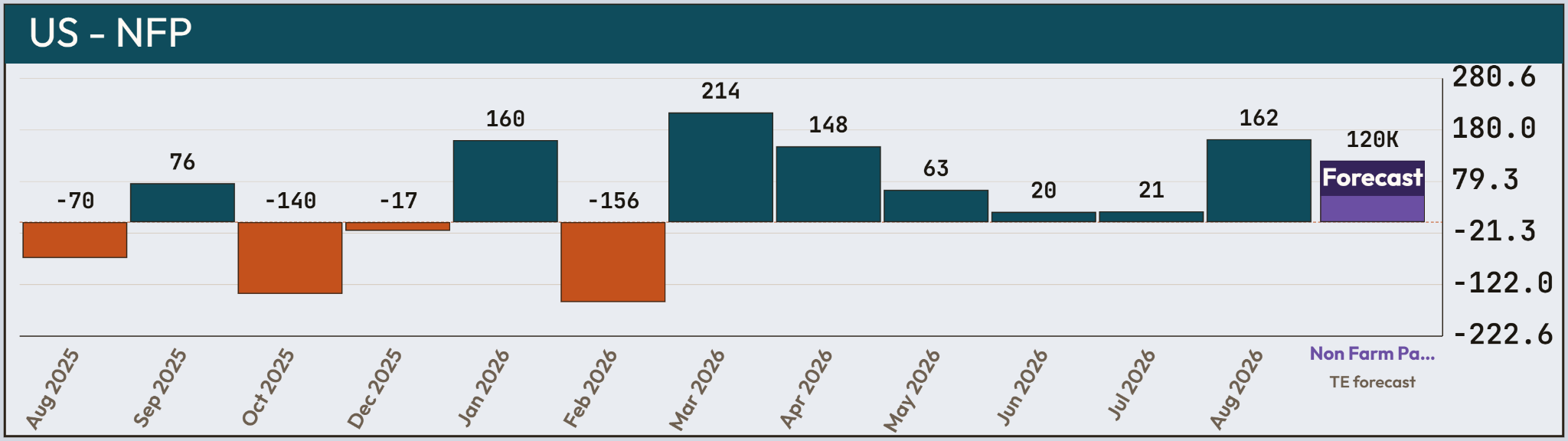
This price pressure, combined with August’s addition of 162,000 jobs, lifted the US 10-year Treasury yield by 12.5 basis points over five days to 4.969% on September 14, nearing its 90-day high of 4.986%. This shift strengthened the US dollar, which remains tactically stretched (+5.9% above its 10-day moving average).
European Policy Action and Trade Frictions
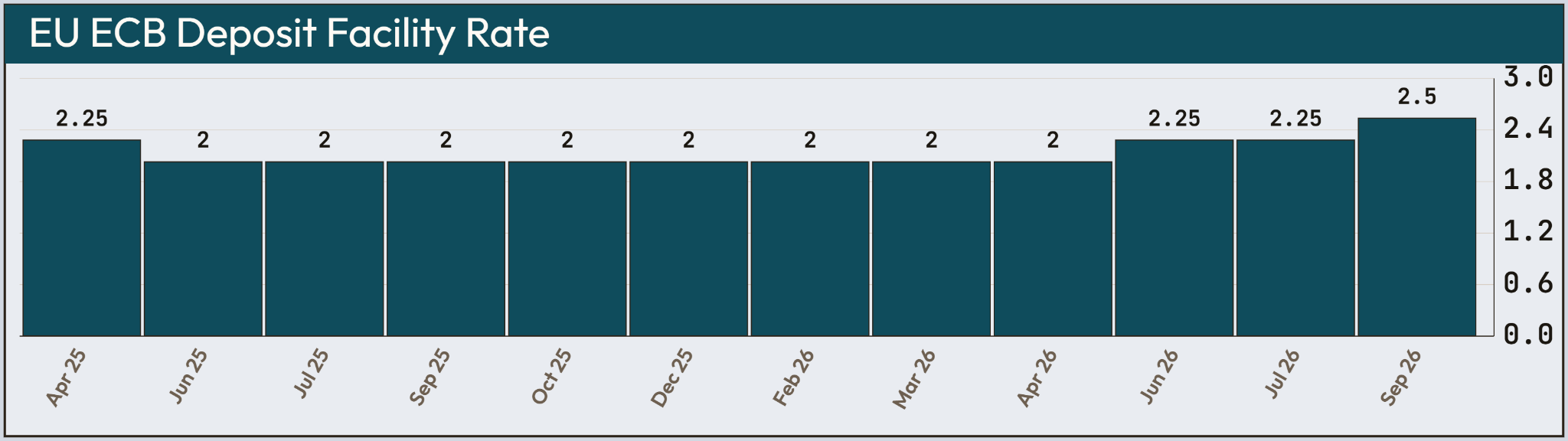
In Frankfurt, the European Central Bank raised its deposit facility rate by 25 basis points to 2.50% on September 10. Despite this tightening, EUR/USD softened to 1.1546 by September 14, nearing its 90-day low of 1.1324.

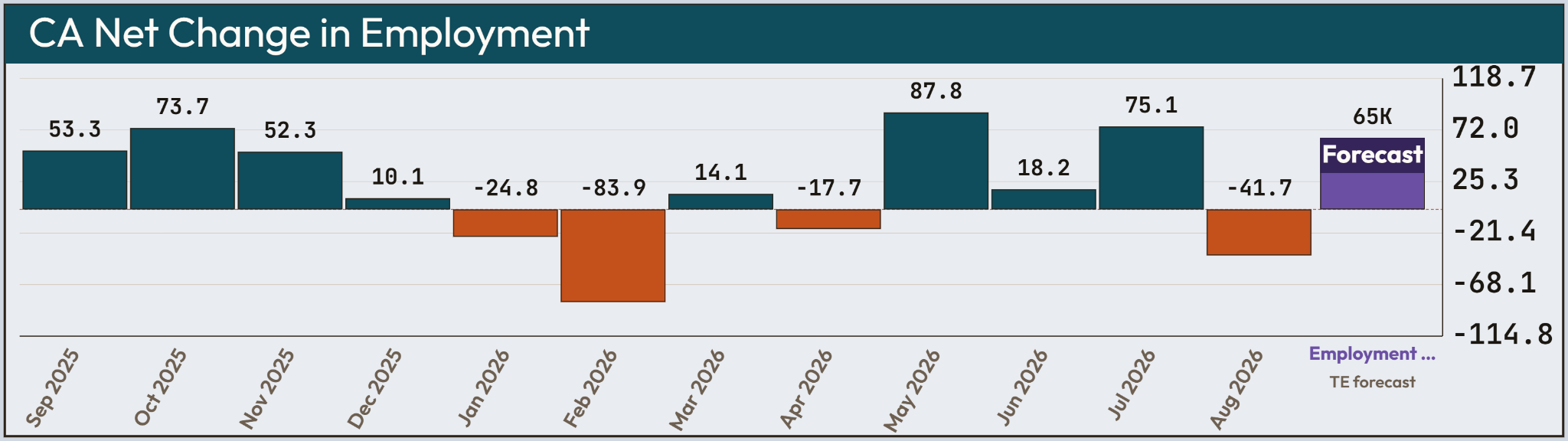
Meanwhile, the Canadian dollar remained under pressure following August’s employment contraction of 41,700 jobs and renewed cross-border tariff disputes. USD/CAD advanced to 1.3889 on September 14, approaching its 90-day high of 1.4248. With Canadian 10-year sovereign yields compressing 3.0 basis points against US Treasuries over five days, the Canadian dollar continues to exhibit front-loaded easing.

Outlook: Navigating Monetary Policy Divergence
The Federal Reserve’s Policy Crossroads
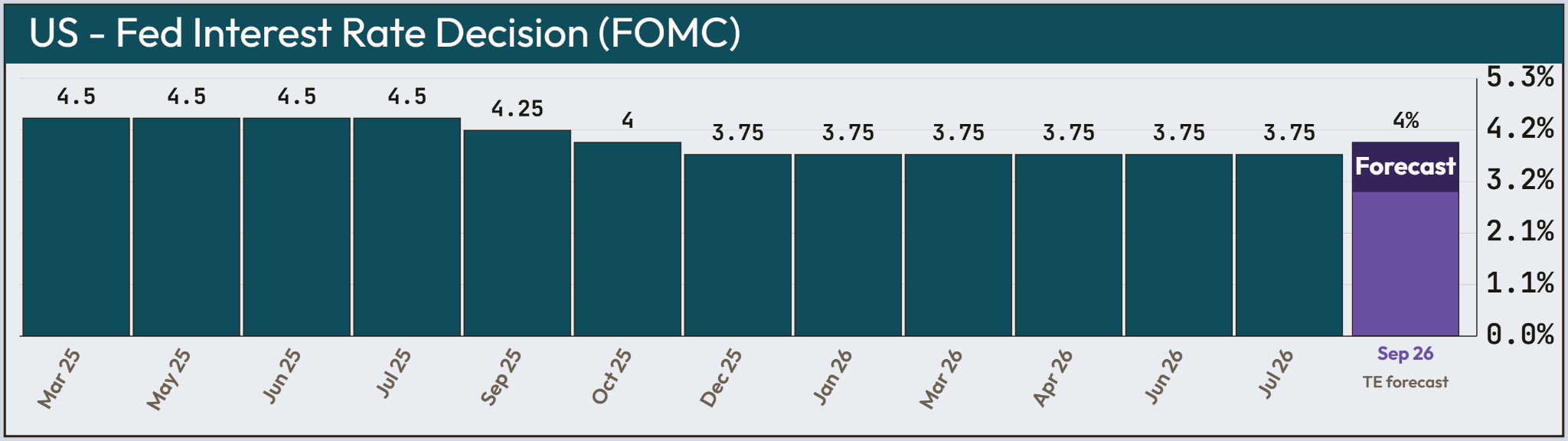
The central event of the week arrives on September 16 with the Federal Open Market Committee meeting. Interest rate futures currently reflect an 86.7% probability of a 25-basis-point rate increase, taking the target rate to 3.75%.
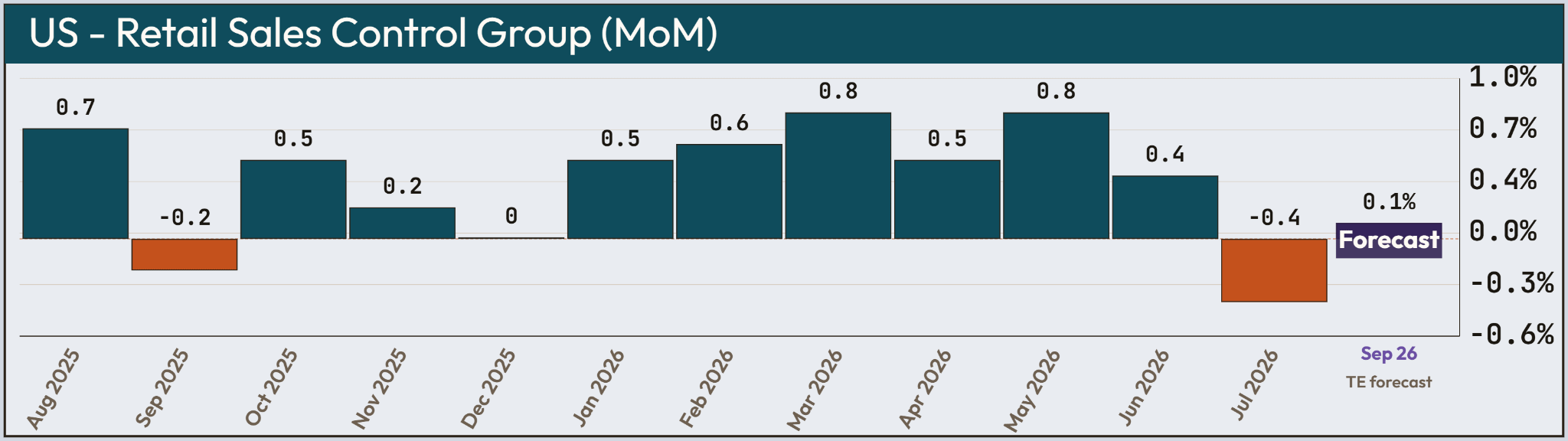
On the same day, US Retail Sales Control Group data will offer insight into consumer spending, with forecasts looking for 0.1% growth against the prior -0.3% reading.
Because the dollar displays front-loaded strength, firm guidance from the Fed could extend its run. Conversely, a less restrictive message may invite profit-taking. Traders can evaluate long dollar setups on shallow pullbacks against lower-yielding peers, keeping in mind the dollar basket’s firm stance (+0.85%) against its 50-day moving average.
Bank of Japan Normalization Path
On September 18, the Bank of Japan meets, with markets pricing a 98.0% probability of a 25-basis-point rate hike to 1.25%. Japanese 10-year government bond yields advanced 11.9 basis points over the past five days to reach 3.0026% on September 14, near their 90-day high of 3.0226%.

Despite this policy step, the yen faces a gradual softening drift due to steep energy import costs and Middle East shipping frictions. USD/JPY trades around 154.48, off its 90-day low of 152.87. Since rate hike expectations are largely reflected in current pricing, traders can watch for opportunities to fade post-decision yen strength near its 10-day moving average baseline (+0.6%).
Sterling’s Consolidation Window
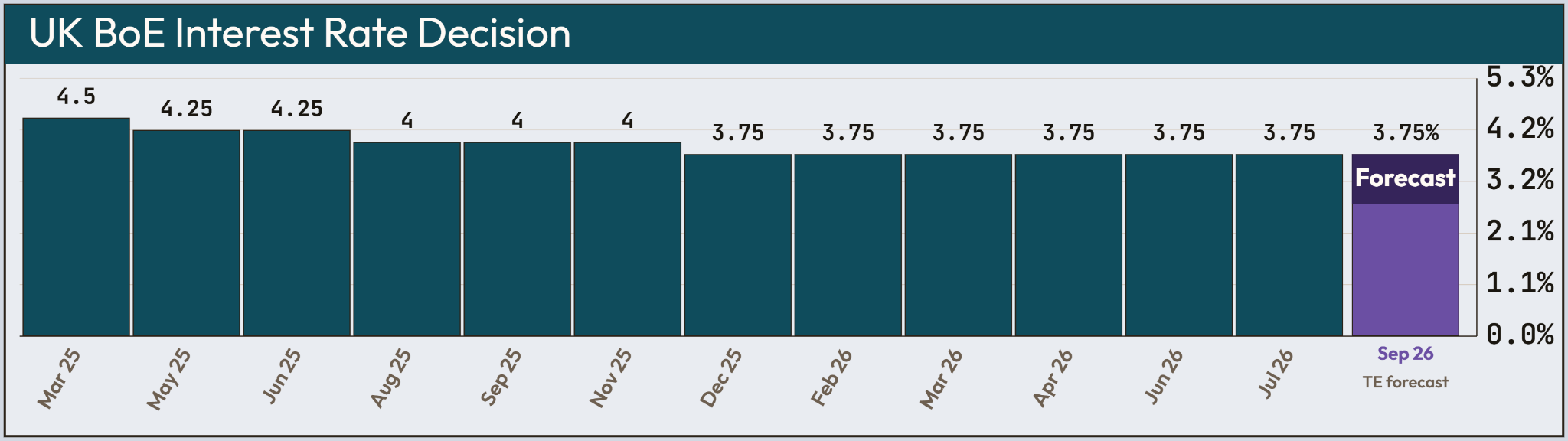
The Bank of England announces its interest rate decision on September 17. Markets price a 77.3% probability that the Bank Rate will remain unchanged at 3.75%.
Before that decision, the September 15 UK unemployment report will provide labor market clarity, with consensus forecasting a slight uptick to 5.0% from 4.9%. UK 10-year gilt yields gained 12.3 basis points over five days, keeping GBP/USD steady in a consolidation range near 1.3489. With sterling holding a modest gain (+0.7%) over its 50-day moving average, traders can explore range-trading opportunities against neutral peers, focusing on technical boundaries rather than anticipating a major directional breakout.

Antipodean Growth Tests and Regional Signals
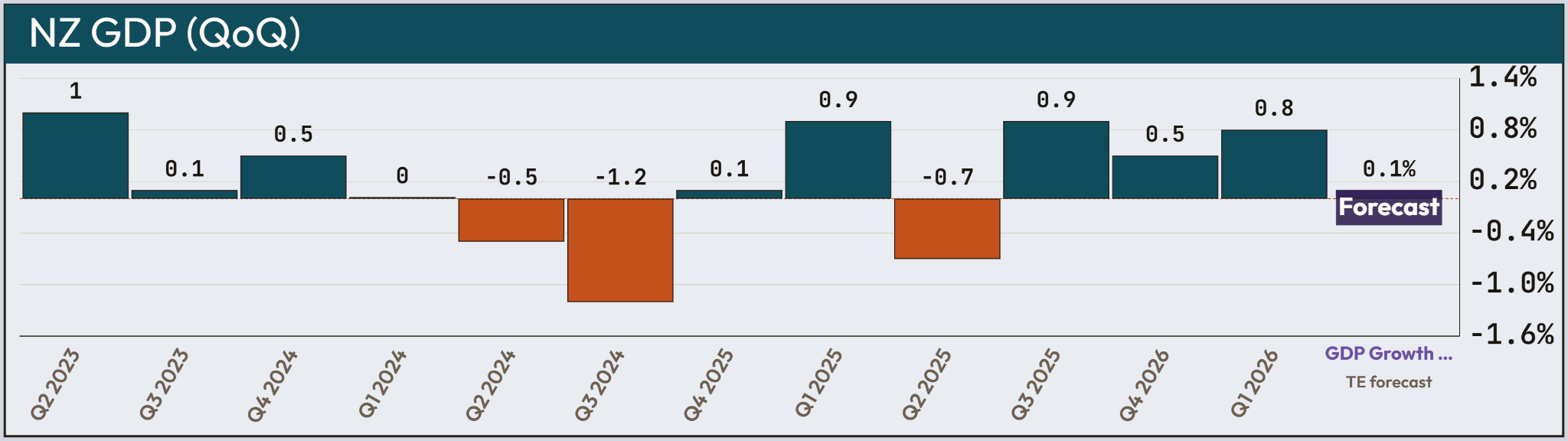
In the Southern Hemisphere, the New Zealand dollar shows front-loaded strength after a 22.2-basis-point rise in local 10-year yields over five days. The currency faces an important test on September 16 with Q2 GDP data, expected at 0.1% quarter-on-quarter compared to 0.8% previously.
A stronger growth figure would support the tightening case, whereas a negative print could cause an immediate easing in expectations. NZD/USD trades near 0.5772, testing its 10-day moving average (-0.7%).

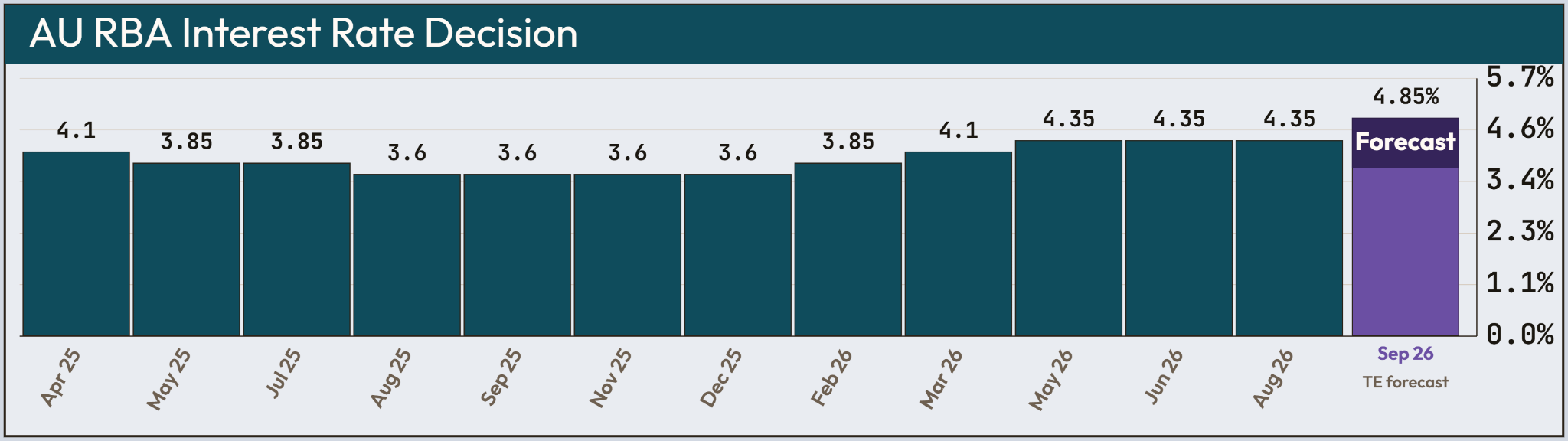
Meanwhile, the Australian dollar maintains a gradual firming drift ahead of the September 29 Reserve Bank of Australia meeting, where markets price a 76.6% chance of a rate increase. AUD/USD softened to 0.7129 on September 14, placing it in oversold territory (-3.4% versus its 10-day moving average) and below its 90-day high of 0.7277. Desks can look for dip-buying interest as broader risk conditions stabilize.
Conclusion: Maintaining Discipline in Active Markets
As major central banks diverge, steady execution is essential. By respecting established chart boundaries and waiting for data to confirm direction, we can navigate current market swings safely. Protect capital, align position sizes carefully with stop-loss distances, and let opportunities come to you.